
Bupropion Treatment Planner
Loading...
Please generate your plan.
Key Milestone
--
Critical Advice
--
Simulate Your Progress
Quitting smoking is tough enough without worrying about whether your new medication will clash with what you’re already taking. If you’ve been prescribed Bupropion, often known by the brand name Zyban, to help you kick the habit, you might have questions. Does it interact with antidepressants? What if you take blood pressure meds? And why does everyone say you need to start it two weeks before you actually quit?
This isn’t just another generic advice column. We’re breaking down exactly how this medication works, which drugs are dangerous to mix with it, and what real-world data says about its effectiveness compared to other options like patches or gum. Whether you’re a smoker looking for a non-nicotine option or someone with depression hoping to tackle both issues at once, understanding these details could make the difference between a failed attempt and long-term freedom.
How Bupropion Actually Helps You Quit
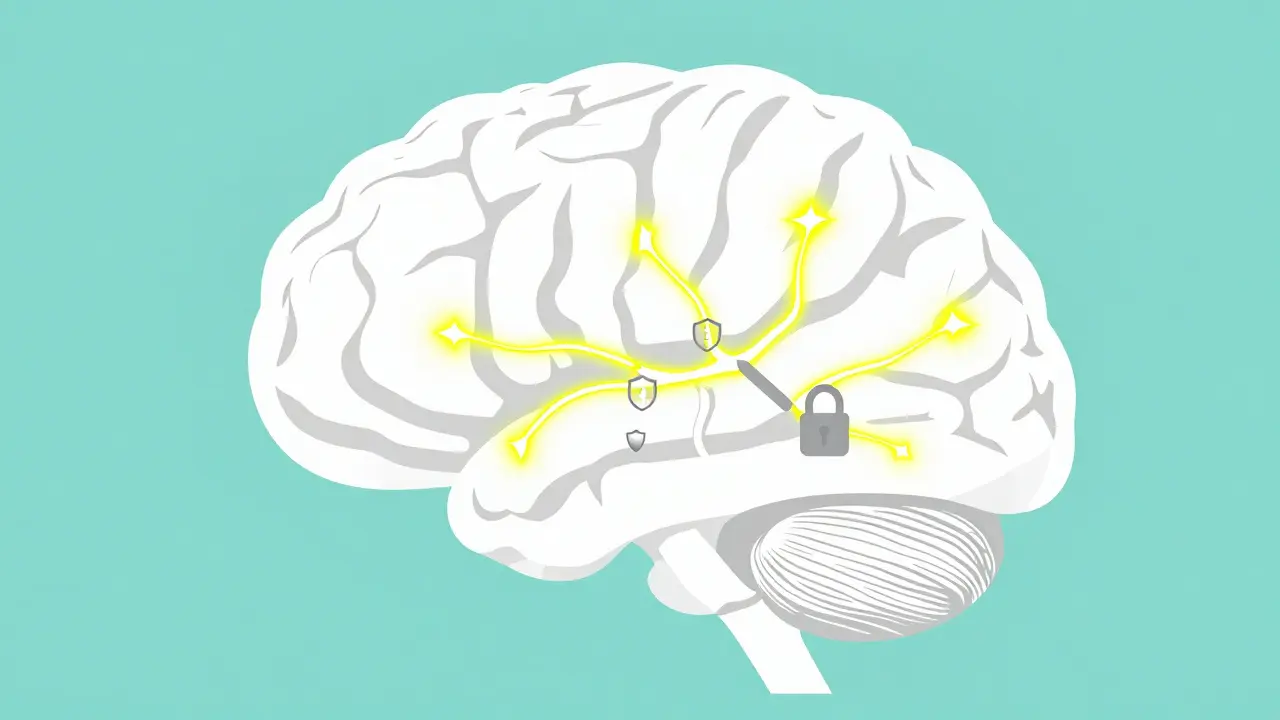
To understand the risks, you first need to know what the drug is doing in your brain. Unlike nicotine replacement therapy (NRT), which puts small amounts of nicotine back into your system, Bupropion is a norepinephrine-dopamine reuptake inhibitor (NDRI). That’s a mouthful, but here’s the plain English version: it stops your brain from reabsorbing dopamine and norepinephrine too quickly. The result? Higher levels of these chemicals stay available in your brain, which helps reduce the intense cravings and withdrawal symptoms that usually send people back to cigarettes.
It also blocks certain nicotinic acetylcholine receptors. Think of these receptors as locks on your brain cells that nicotine normally fits into. By blocking them, Bupropion makes smoking feel less rewarding. When you do smoke, it doesn’t hit as hard. This dual mechanism-reducing craving while dampening the pleasure of smoking-is why it’s considered a first-line treatment by the CDC and major health organizations.
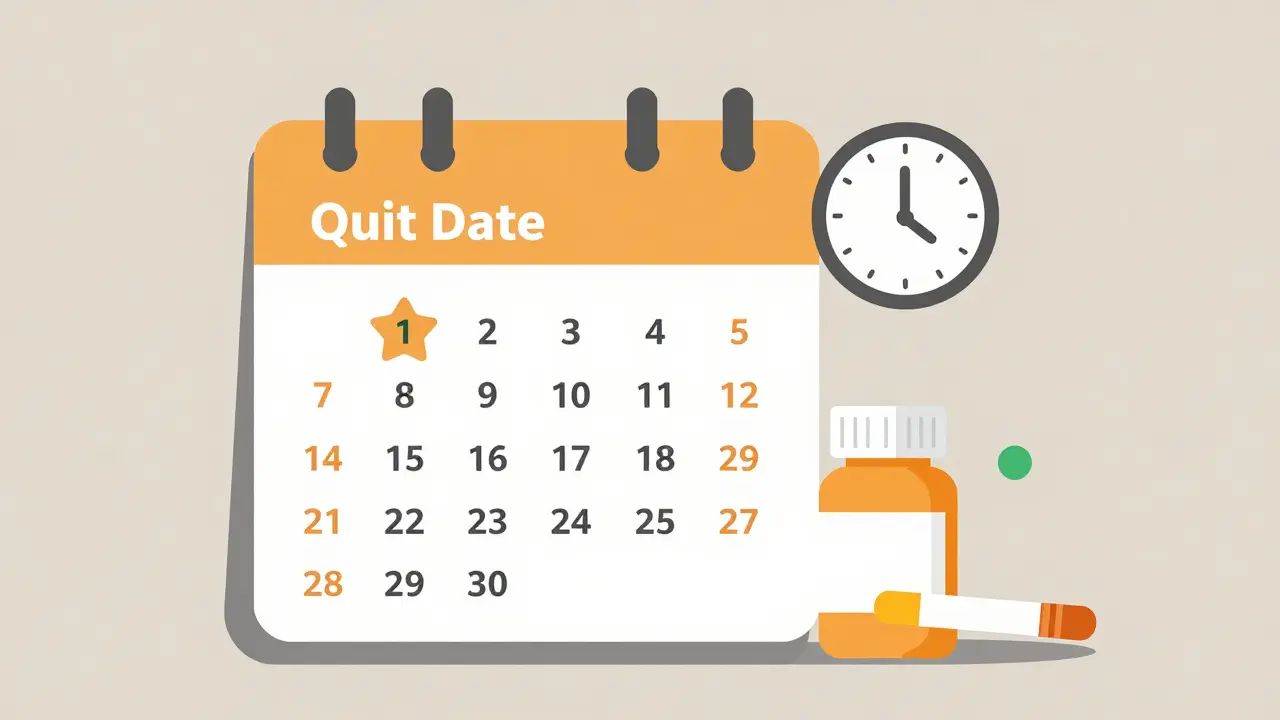
One critical thing to remember: Bupropion is not instant magic. It takes time to build up in your system. Clinical guidelines recommend starting the medication one to two weeks before your target quit date. Why? Because it takes about eight days of twice-daily dosing to reach steady-state concentrations in your blood. If you start taking it on the day you quit, you’ll likely struggle through those first few days without the full benefit of the drug.
The Big One: Seizure Risk and Absolute Contraindications
Before we get to common drug interactions, we have to talk about the most serious risk associated with this medication: seizures. According to FDA labeling, the risk is approximately 1 in 1,000 patients at therapeutic doses. While that sounds low, it’s high enough to demand strict screening. You should never take Bupropion if you have a history of seizure disorders or epilepsy.
There are other absolute contraindications you need to watch for:
- Eating Disorders: If you have bulimia or anorexia nervosa, do not use this medication. These conditions can alter electrolyte balances in ways that significantly increase seizure risk when combined with Bupropion.
- MAO Inhibitors: You cannot take Bupropion if you are currently using monoamine oxidase inhibitors (MAOIs) or if you have stopped taking them within the last 14 days. MAOIs are older, powerful antidepressants. Mixing them with Bupropion can lead to dangerously high levels of neurotransmitters, potentially causing hypertensive crisis or serotonin syndrome.
- Hypersensitivity: If you’ve had an allergic reaction to Bupropion or any component of the tablet in the past, it’s off-limits.
These aren’t suggestions; they are safety barriers. Always be honest with your doctor about your medical history, especially regarding eating disorders or previous neurological issues.
Common Drug Interactions to Watch For
Now, let’s look at the medications you might be taking daily. Bupropion is metabolized primarily by the liver enzyme CYP2B6. This means drugs that affect this enzyme can change how much Bupropion stays in your body, leading to either reduced effectiveness or increased side effects.
| Drug Class / Specific Medication | Type of Interaction | Potential Outcome |
|---|---|---|
| CYP2B6 Inhibitors (e.g., Isoniazid, Fluvoxamine) |
Metabolic Inhibition | Increased Bupropion levels in blood. Higher risk of side effects like insomnia, anxiety, or seizures. |
| Other NDRI or SNRI Antidepressants (e.g., Venlafaxine, Desvenlafaxine) |
Additive Effect | Increased noradrenaline/dopamine activity. Can raise blood pressure and heart rate. Monitor closely. |
| Varenicline (Chantix) | Neuropsychiatric Risk | FDA warns against concurrent use due to potential increased risk of mood changes, agitation, or suicidal thoughts, though some trials show mixed results. |
| Warfarin (Coumadin) | Metabolic Induction | Bupropion may increase the breakdown of Warfarin, reducing its anticoagulant effect. INR levels need monitoring. |
| Alcohol | Seizure Threshold Lowering | Heavy alcohol use lowers the seizure threshold. Combining with Bupropion increases seizure risk significantly. |
If you are on blood thinners like Warfarin, tell your pharmacist. Bupropion can induce enzymes that break down Warfarin faster, meaning your blood might not clot as slowly as intended. Regular INR testing is crucial here. Similarly, if you take tuberculosis medication like Isoniazid, your Bupropion levels could spike, so your doctor might lower your dose.
Bupropion vs. Other Smoking Cessation Methods
You probably have choices. Is Bupropion better than Varenicline (Chantix)? Or just sticking to Nicotine Replacement Therapy (NRT)? Let’s compare them based on efficacy, side effects, and mechanism.
Varenicline is a partial nicotinic receptor agonist. It mimics nicotine in the brain but activates receptors only partially, providing a baseline level of stimulation without the full rush. A 2022 meta-analysis in JAMA Internal Medicine showed Varenicline has slightly higher continuous abstinence rates at 6 months (19.3%) compared to Bupropion (17.5%). However, Varenicline is more expensive-often costing over $500 for a course versus ~$35 for generic Bupropion SR-and causes nausea in about 22% of users, compared to 11% for Bupropion.
NRTs (patches, gum, lozenges) work by replacing nicotine directly. They are great for immediate relief but don’t address the underlying neurochemical reward pathways as deeply. Bupropion is particularly useful if you want to avoid nicotine entirely or if NRTs haven’t worked for you in the past. Some doctors even combine Bupropion with a nicotine patch for a synergistic effect, boosting quit rates to over 30% in some trials.
For smokers with comorbid depression, Bupropion is often the preferred choice. It treats both the addiction and the depressive symptoms simultaneously. Studies show smokers with depression who take Bupropion have similar quit rates to those without depression, whereas other medications might not offer this dual benefit.
Side Effects: What Real Users Experience
Let’s talk about the stuff that keeps you up at night. Insomnia is the number one complaint. About 24% of users experience sleep disturbances. Here’s a pro tip: take your second dose before 5 PM. Since Bupropion is stimulating, taking it late in the day can wreck your sleep cycle, which ironically makes quitting harder because fatigue triggers cravings.
Dry mouth and headaches are also common, affecting roughly 12% and 9% of users respectively. These usually fade after the first week as your body adjusts. More concerning are neuropsychiatric side effects. While rare, some users report increased anxiety, agitation, or mood swings. If you notice sudden changes in behavior or thoughts of self-harm, stop the medication and seek medical help immediately. The FDA requires warnings about these risks, and healthcare providers monitor patients closely during the first four weeks.
Weight gain is another fear for many quitters. Interestingly, Bupropion is often praised for helping mitigate post-quit weight gain. Many users report avoiding the typical 15-20 pound increase seen with other methods. This is likely due to its appetite-suppressing properties and metabolic effects.
How to Take Bupropion Correctly
Getting the dosing right is half the battle. Bupropion SR comes in 150 mg tablets. The standard protocol for smoking cessation is:
- Days 1-3: Take 150 mg once daily in the morning.
- Day 4 onwards: Increase to 150 mg twice daily. Ensure at least 8 hours pass between doses.
- Quit Date: Set your quit date during the first week of treatment (usually around day 7-10).
- Duration: Continue for 7-9 weeks total. Some doctors extend this to 12 weeks if progress is good but maintenance is needed.
Do not crush or chew the sustained-release tablets. Doing so dumps the entire dose into your system at once, drastically increasing seizure risk. Swallow them whole with water. Taking them with food can help reduce nausea, which affects about 13% of users.
FAQ: Common Questions About Bupropion and Smoking
Can I drink alcohol while taking Bupropion to quit smoking?
You should limit or avoid alcohol. Alcohol lowers the seizure threshold, and Bupropion also carries a small seizure risk. Combining them significantly increases this danger. Additionally, alcohol can worsen side effects like dizziness and dry mouth, making the quitting process harder.
Does Bupropion cause weight loss?
While not approved specifically for weight loss, many users experience mild weight loss or prevention of post-quit weight gain. This is due to its appetite-suppressing effects and impact on metabolism. However, it should not be used solely for weight management.
How long does it take for Bupropion to start working?
It takes about 7-10 days to reach therapeutic levels in your blood. This is why doctors advise starting the medication 1-2 weeks before your planned quit date. You won’t feel the full anti-craving benefits immediately upon starting.
Can I take Bupropion if I have high blood pressure?
Bupropion can slightly increase blood pressure in some individuals. If you have hypertension, your doctor will likely monitor your BP regularly during treatment. It is generally safe for controlled hypertension, but uncontrolled high blood pressure may require caution or alternative treatments.
Is Bupropion addictive?
No, Bupropion is not considered addictive. It does not produce a "high" or euphoria associated with substance abuse. However, stopping it abruptly after long-term use can sometimes cause mild withdrawal-like symptoms such as irritability or headache, so tapering off under medical guidance is recommended.
What happens if I miss a dose?
Take it as soon as you remember, unless it’s close to the time for your next dose. Never double up to make up for a missed dose, as this increases seizure risk. Consistency is key for maintaining steady drug levels in your bloodstream.
Next Steps and Troubleshooting
If you’re considering Bupropion, schedule a consultation with your primary care provider or a smoking cessation specialist. Bring a complete list of all medications, supplements, and over-the-counter drugs you take. Be upfront about any history of seizures, eating disorders, or mental health conditions.
If you experience severe insomnia, try shifting your evening dose earlier. If dry mouth persists, sip water frequently and use sugar-free gum. If you feel anxious or agitated, contact your doctor immediately-they may adjust your dose or switch your medication. Remember, quitting smoking is a journey, and finding the right pharmacological support is a critical step. Don’t hesitate to ask for help combining medication with behavioral counseling, which significantly boosts success rates.

Jamie Rogers
Wow, this is such a lifesaver of an article! I’ve been staring at my prescription for Bupropion and feeling totally overwhelmed by the fine print. The part about starting it two weeks before quitting actually makes so much sense now. I always thought I could just pop a pill on Day 1 and be done with it, but realizing it needs time to build up in my system changes everything. It’s like prepping for a marathon instead of sprinting out the door blindfolded.
Ed Ostrego
Let’s gooo! This is exactly the kind of info we need to crush this habit. I’m starting mine tomorrow morning. No more excuses!
Angie Lara
I had no idea about the MAOI interaction until reading this. My cousin was on some older antidepressants and almost got into trouble mixing meds without checking. Its scary how easy it is to overlook these things when you are just desperate to quit smoking. Thanks for breaking down the seizure risks too, really important stuff that people often skip over because it sounds too medical or intense.
Ambarish Pal
Oh please, spare me the pharmaceutical cheerleading. You think a little chemical tweak fixes the deep-seated psychological addiction? It’s all placebo effect wrapped in a shiny label. I tried it, felt like garbage, and still smoked. The real issue is willpower, not dopamine receptors. But sure, keep telling yourself it’s just biology.
Andrew Donovan
While your cynicism is noted, Ambarish, the neurochemistry doesn’t lie. The dual mechanism of blocking nicotinic receptors while boosting dopamine is scientifically robust, not magic dust. That said, I agree that behavioral support is crucial. I found that taking the second dose before 5 PM saved my sanity regarding sleep. Insomnia is the silent killer of quit attempts. If you can’t rest, you crave. Simple as that.
Patrick Meyer
look, most people here dont even understand basic pharmacokinetics. bupropion is metabolized by CYP2B6, which is highly polymorphic. if you have the poor metabolizer genotype, you are basically playing russian roulette with seizures. its not just about 'willpower' or 'magic', its about genetic lottery. stop acting like everyone has the same liver enzymes.
Prashant Shishodia
You need to listen to your doctor. Do not guess. If you take warfarin, check your INR. If you take TB meds, tell your doc. It is simple. Follow the rules. Stay safe.
Autumn LW
It is frankly insulting that this article suggests combining Bupropion with nicotine patches as a standard first-line approach for everyone. That is lazy medicine. If you cannot handle one medication properly, adding another layer of complexity is a recipe for disaster. Most people fail because they lack discipline, not because their neurotransmitters are slightly off. Stop coddling smokers.
Scott Colter
We must consider the existential weight of dependency. When we replace one chain with another, even a chemical one, do we truly gain freedom? Or do we merely shift the locus of our enslavement from the lung to the liver? The mind seeks relief, but the soul seeks wholeness. Perhaps the pill is a crutch, and we should ask why we need to walk at all.
Paul Lyons
This is typical American pharma propaganda pushing expensive pills over natural methods. In other countries, they don't shove NDRIs down your throat for every little problem. It's about control and profit margins. Wake up sheeple! We used to quit with sheer grit and cold turkey, not these fancy lab-cooked nightmares. Sad state of affairs.
Deva Vidya
I am going to start this journey next week and I feel hopeful! The tip about weight gain is huge for me. I was terrified of gaining 20 pounds after quitting. Knowing that Bupropion might help suppress appetite gives me a massive boost of confidence. I will definitely set my quit date for day 7 as suggested. Let's do this together!
ANINDA GHOSH
In my culture, we respect the body as a temple, yet we poison it daily. This drug seems like a bridge between the old habits and new health. However, one must be wary of side effects. Dry mouth is common in our hot climate too, so hydration is key. Please consult your physician before starting any regimen. Om shanti.
MiMi Stanley
I’ve been using NRT for years and it never stuck. The idea that Bupropion addresses the reward pathway rather than just replacing nicotine sounds promising. I’m curious if anyone here has tried the combination therapy mentioned? I’m leaning towards trying the patch plus the pill since I’m a heavy smoker and single methods haven’t worked.
Najmunisa Govender
Thank you for sharing this detailed guide!! It is so helpful to see the interactions clearly laid out. I was worried about my blood pressure medication, but seeing that it is generally safe with monitoring puts my mind at ease. I will definitely call my pharmacist to double-check my specific list though. Safety first!!!