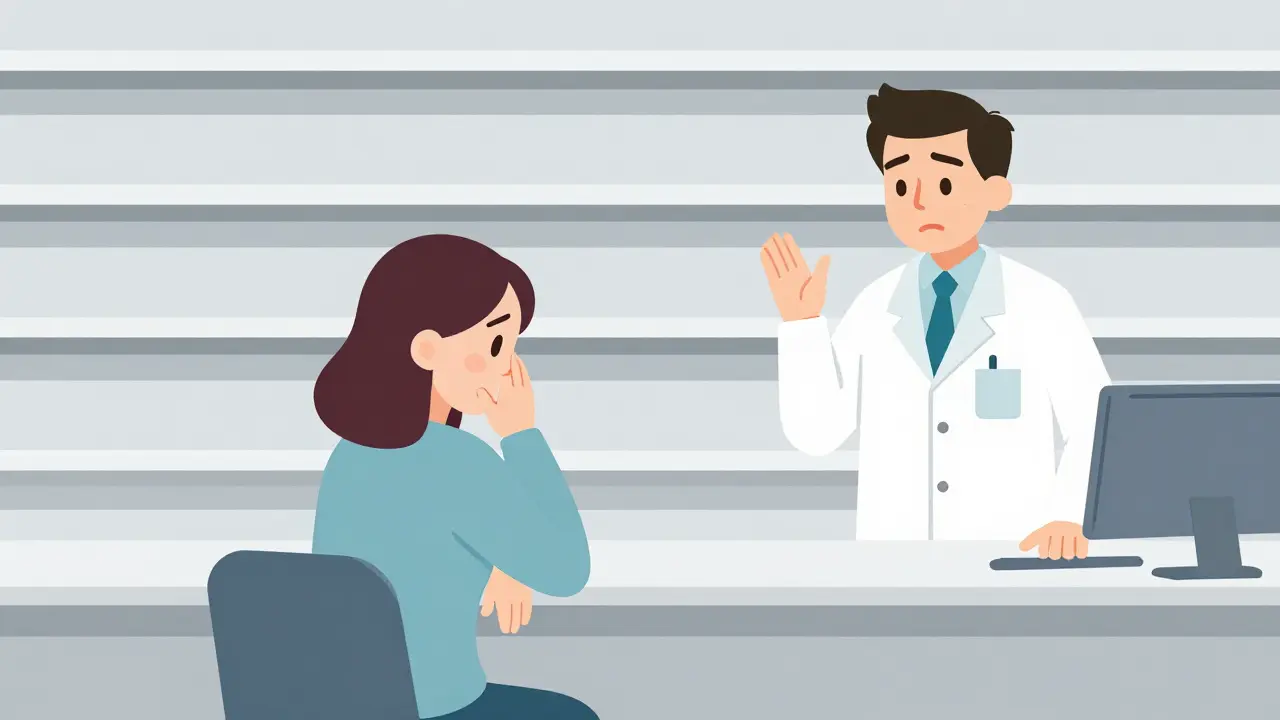
Imagine you need a specific antibiotic for a serious infection, but the pharmacy says it’s out of stock. Not just today, but for weeks. This isn’t a hypothetical nightmare scenario; it is the reality for millions of patients facing drug shortages. These gaps in medication supply are becoming more frequent and harder to predict. Understanding drug shortage predictions is the process of using data analysis to forecast when and where essential medications will become scarce. By looking at supply chains, raw material costs, and global events, we can see what is coming before the shelves go empty.
The problem is no longer just about one factory having a bad day. It is a complex web of issues involving climate change, geopolitical tension, and economic shifts. If you are a patient, a pharmacist, or a healthcare administrator, knowing how these forecasts work helps you prepare. We will break down why shortages happen, how experts predict them, and what you can do to stay protected.
Why Drug Shortages Are Happening More Often
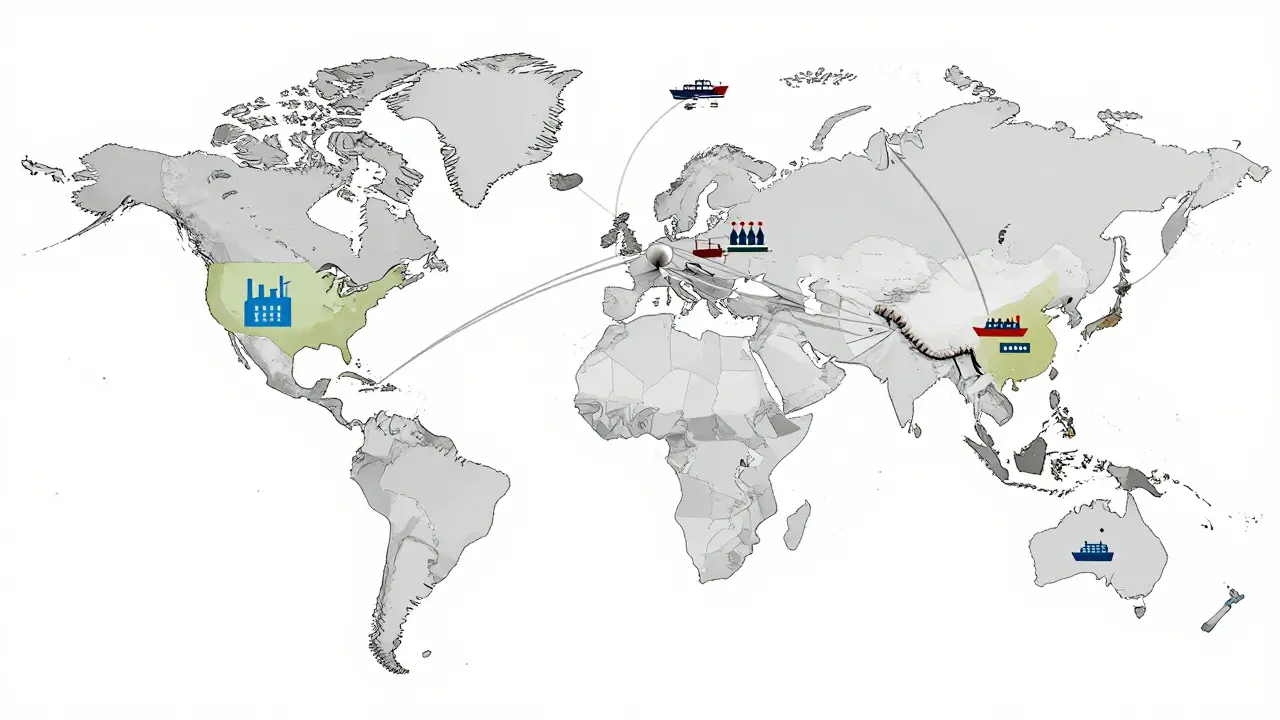
To understand the future, we have to look at the present causes. The pharmaceutical industry relies on a fragile global supply chain. A significant portion of active pharmaceutical ingredients (APIs) comes from a few countries, primarily China and India. When disruptions occur there-whether due to environmental regulations, power outages, or trade policies-the ripple effects hit hospitals worldwide.
Consider the case of generic antibiotics like ceftriaxone. In recent years, multiple manufacturers reported production issues simultaneously. One plant might fail a quality control test, while another faces a shortage of precursor chemicals. Because there are often only two or three suppliers for certain generic drugs, the loss of even one creates immediate scarcity. This lack of redundancy is a major vulnerability.
- Raw Material Dependency: Most APIs are sourced from Asia, creating long lead times and exposure to international shipping delays.
- Low Profit Margins: Generic drugs have thin margins, so companies may cut corners on inventory buffers or maintenance.
- Regulatory Hurdles: Strict FDA inspections can shut down plants temporarily, reducing global supply instantly.
- Climate Impact: Extreme weather events disrupt transportation networks and damage manufacturing facilities.
These factors combine to create a system that is efficient under normal conditions but brittle during crises. The shift toward "just-in-time" manufacturing, which minimizes storage costs, leaves little room for error when demand spikes unexpectedly.
How Experts Forecast Medication Scarcity
Predicting a drug shortage is not magic; it is data science. Organizations like the U.S. Food and Drug Administration (FDA) and independent analytics firms use sophisticated models to spot trouble early. They track thousands of data points to identify patterns that signal an impending shortage.
One key method involves monitoring manufacturer reports. Companies are required to notify regulators if they anticipate a delay. Analysts aggregate these notifications to see if multiple suppliers are struggling with the same ingredient. For example, if three different labs report difficulties sourcing lactose monohydrate-a common filler-forecasters know that many oral medications could be affected soon.
Another critical tool is demand modeling. Hospitals submit usage data that reveals trends. If flu season hits earlier than expected, demand for antivirals like oseltamivir surges. Algorithms compare this real-time consumption against current production rates. When usage exceeds output by a certain threshold, a shortage alert is triggered.
| Indicator Type | What It Measures | Example Signal |
|---|---|---|
| Supply Chain Disruptions | Delays in raw materials or shipping | Port congestion in Shanghai affecting API imports |
| Production Failures | Quality control issues or equipment breakdowns | Factory shutdown due to failed sterile testing |
| Demand Spikes | Sudden increase in prescriptions | Rise in opioid prescriptions following new guidelines |
| Regulatory Actions | Government inspections or bans | FDA warning letter to a major manufacturer |
By combining these indicators, forecasters can assign a risk score to each medication. High-risk drugs are those with single-source supplies, high demand variability, and known supply chain weaknesses. This proactive approach allows hospitals to stock up before the crisis hits.
The Role of Global Trends in Supply Constraints
Drug shortages do not exist in a vacuum. They are influenced by broader global trends identified by institutions like the World Economic Forum and the National Intelligence Council. Factors such as geopolitical fragmentation and economic uncertainty directly impact pharmaceutical availability.
For instance, trade tensions between major economies can lead to tariffs on chemical precursors. If the cost of importing these materials rises sharply, manufacturers may reduce output or halt production entirely. Similarly, energy scarcity affects the cost of running clean-room facilities. As noted in recent reports, regions facing freshwater constraints or energy transitions may struggle to maintain consistent pharmaceutical production levels.
Demographic shifts also play a role. An aging population increases the demand for chronic disease medications, such as insulin and blood pressure drugs. If production capacity does not expand to match this growing need, shortages become inevitable. The intersection of these macro-trends makes forecasting increasingly complex but essential.
Impact on Patients and Healthcare Systems
When a drug goes short, the consequences are immediate and severe. Patients may miss doses, leading to worsened health outcomes. Surgeons might cancel operations because necessary anesthesia is unavailable. Pharmacists spend hours searching for alternatives, diverting time from patient care.
Switching medications is not always simple. Therapeutic equivalents may have different side effect profiles or dosing schedules. For patients with stable conditions, changing brands can cause confusion and non-adherence. In emergency settings, the absence of a specific life-saving drug can be fatal.
Hospitals face financial strain too. They may need to pay premium prices for scarce drugs on the spot market. Administrative staff must constantly monitor shortage lists and adjust formularies. This burden falls heavily on smaller clinics and rural hospitals that lack robust procurement teams.

Strategies to Mitigate Future Scarcity
While we cannot eliminate all risks, we can build resilience. Governments, manufacturers, and healthcare providers must work together to strengthen the supply chain. Here are practical steps being taken and recommended:
- Diversify Suppliers: Encourage domestic production of critical APIs to reduce reliance on foreign sources. The FDA has initiatives to support this transition.
- Improve Data Sharing: Create real-time platforms where manufacturers, distributors, and hospitals share inventory data. Transparency helps allocate resources efficiently during crises.
- Incentivize Stockpiling: Provide tax breaks or subsidies for companies that maintain higher safety stocks of essential generics.
- Enhance Regulatory Flexibility: Allow faster approval of alternative manufacturing sites or generic versions when shortages occur.
- Patient Education: Inform patients about potential shortages so they can plan ahead and discuss alternatives with their doctors.
Technology also offers solutions. Artificial intelligence can analyze vast datasets to predict shortages months in advance. Blockchain can trace ingredients from source to shelf, ensuring authenticity and identifying bottlenecks quickly.
What You Can Do Right Now
If you rely on prescription medications, take charge of your supply. Talk to your doctor about keeping a small reserve of critical drugs. Ask if there are therapeutic alternatives available. Check online resources like the FDA’s drug shortage list regularly.
Pharmacists are your best allies. Build a relationship with your local pharmacy manager. They often know about upcoming shortages before they are publicly announced. In some cases, they can order extra stock if they see a trend forming.
Stay informed but don’t panic. Hoarding drives prices up and worsens shortages for others. Instead, focus on communication and planning. By understanding the forces behind drug shortage predictions, you empower yourself to navigate these challenges with confidence.
How far in advance can drug shortages be predicted?
Predictions vary by cause. Manufacturing issues can be spotted weeks in advance through quality control reports. However, sudden regulatory actions or natural disasters may offer little warning. Advanced AI models aim to provide 3-6 months of lead time for chronic shortages.
Why are generic drugs more prone to shortages?
Generic drugs have lower profit margins, so manufacturers minimize inventory costs. Many generics have only one or two approved manufacturers, creating single points of failure. If one plant stops producing, there is no backup.
Can I switch brands if my medication is short?
Often yes, but consult your doctor first. Therapeutic equivalents exist for many drugs, but they may differ in inactive ingredients or absorption rates. Never switch without professional advice, especially for narrow-therapeutic-index drugs like warfarin.
Where can I check for current drug shortages?
The U.S. FDA maintains an official Drug Shortages webpage updated regularly. Other countries have similar government portals. Pharmacy chains also post alerts on their websites. Subscribing to email notifications ensures you get timely updates.
How does climate change affect drug supply?
Extreme weather disrupts transportation routes and damages factories. Water scarcity impacts the production of sterile injectables. Energy shortages can halt manufacturing processes. These indirect effects make supply chains more vulnerable over time.
