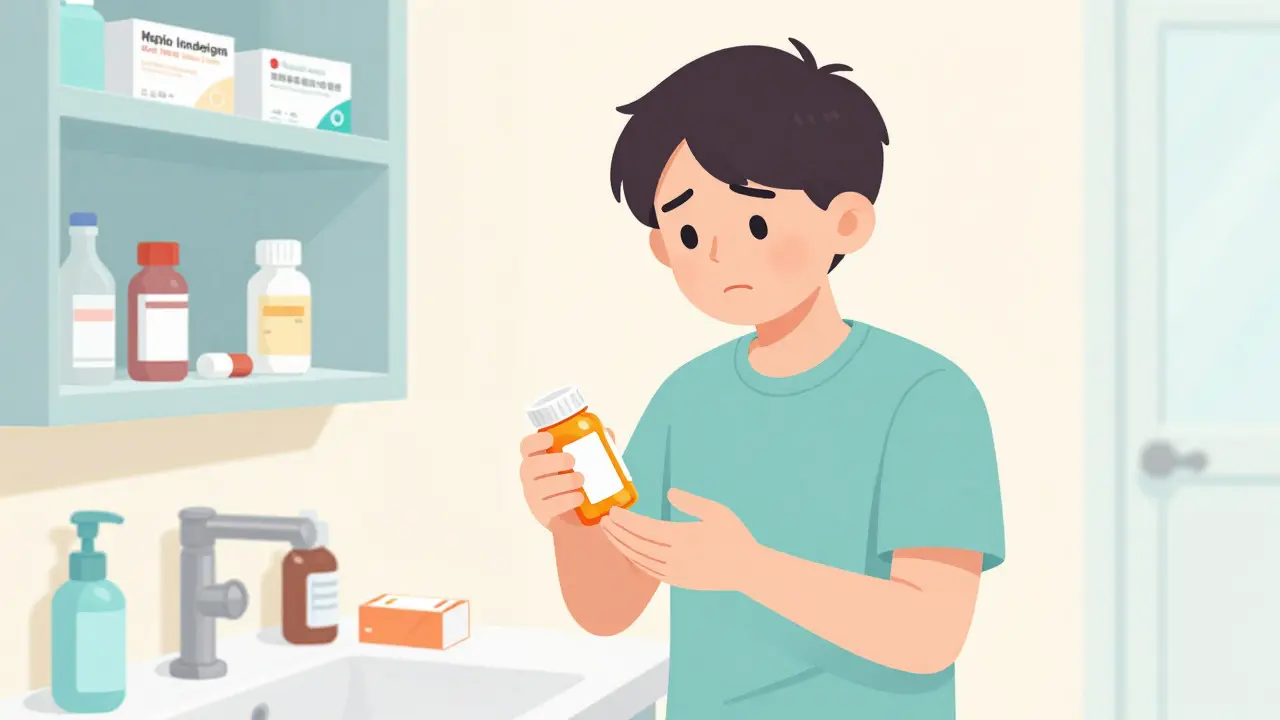
You check your bathroom cabinet and find a bottle of painkillers from an injury you healed years ago. Or maybe it’s antibiotics left over from a cold that never fully cleared up. What do you do? Flushing them down the toilet feels wrong for the environment, but throwing them in the trash seems risky if someone digs through your garbage. This is where Drug Take-Back Programs come in. These initiatives provide a safe, secure, and environmentally friendly way to get rid of unused or expired medications without the guesswork.
What Are Drug Take-Back Programs?
Drug take-back programs are organized systems designed to collect unwanted prescription and over-the-counter medicines for proper destruction. They were created to solve two major problems: preventing accidental poisoning (especially in children) and stopping drugs from entering our water supply or landfills. The framework for these programs in the United States was established by the Secure and Responsible Drug Disposal Act of 2010. This law gave the Drug Enforcement Administration (DEA) the authority to regulate how we dispose of controlled substances safely.
The goal is simple: keep dangerous chemicals out of homes and nature. By using designated collection points, you ensure that opioids, stimulants, and other potent medications are incinerated at high temperatures rather than sitting in a landfill or washing into local rivers. Since the first National Prescription Drug Take Back Day in 2010, these programs have collected millions of pounds of medication, significantly reducing the amount of stray pills circulating in communities.
How to Find a Drop-Off Location Near You
Finding a place to drop off your old meds has become much easier in recent years. While many people still wait for the biannual national events, there are now thousands of permanent locations available year-round.
- Permanent Drop Boxes: Look for secure, locked kiosks at police stations, hospitals, or participating pharmacies. As of 2025, there are more than 16,500 authorized collection sites across the U.S. You can search for one near you using the DEA’s official locator tool online.
- National Take-Back Days: The DEA hosts large-scale collection events twice a year, typically in April and October. On these days, thousands of law enforcement agencies open additional temporary sites. In April 2025 alone, nearly 4,500 collection sites processed over 620,000 pounds of drugs.
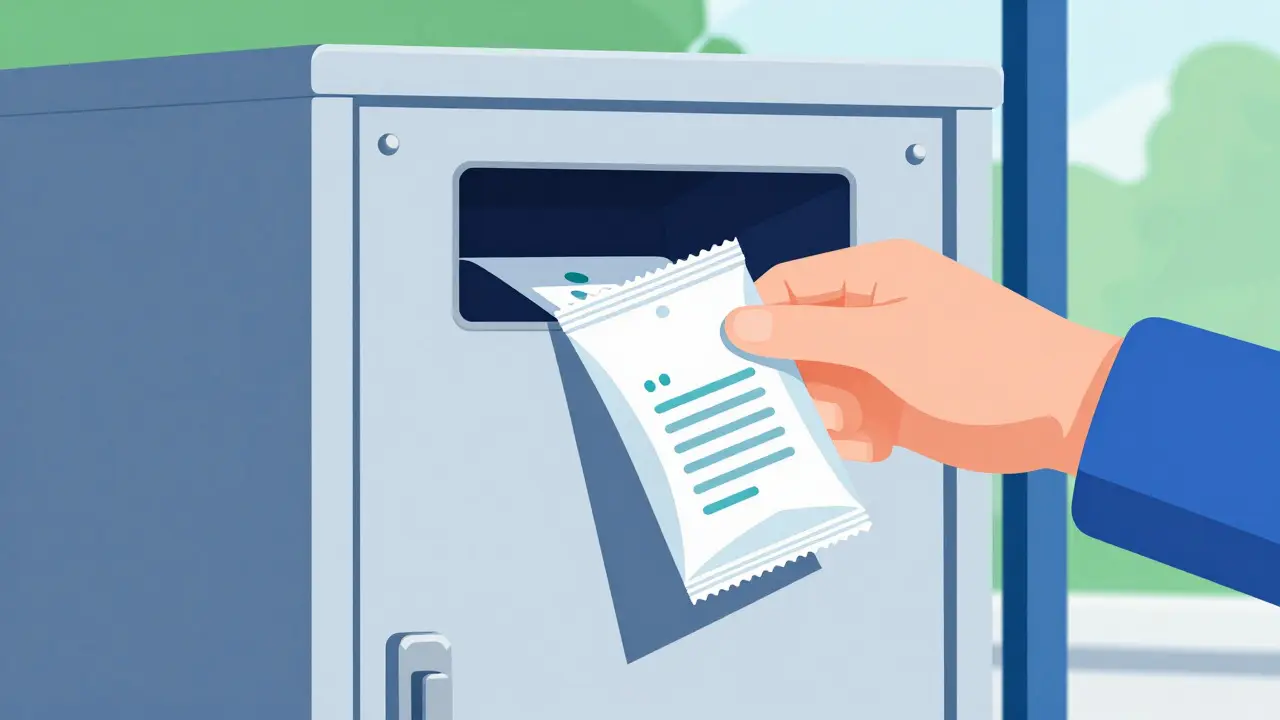
- Mail-Back Envelopes: If you live far from a drop box, some states and community organizations offer free postage-paid mail-back envelopes. You buy or request these, fill them with your meds, and mail them to a certified destruction facility.
If you’re unsure where to go, start by checking with your local pharmacy chain. Many major retailers like Walgreens have installed collection units in thousands of stores, making disposal as easy as picking up a prescription.
What Can and Cannot Be Disposed Of
Not everything in your medicine cabinet qualifies for a standard take-back bin. It’s important to know what goes in and what stays out to avoid safety hazards for the workers who handle the waste.
| Accepted Items | Non-Accepted Items |
|---|---|
| Prescription medications (pills, capsules, liquids) | Aerosols (like asthma inhalers) |
| Over-the-counter drugs | Compressed gas cylinders |
| Transdermal patches | Hydrogen peroxide |
| Vitamins and supplements | Iodine-containing medications |
| Pet medications | Thermometers (mercury risk) |
| Illicit drugs (contact police directly) |
Why are aerosols and compressed gases banned? Because they can explode under the heat of industrial incinerators. Similarly, mercury thermometers pose a separate environmental hazard that requires different handling protocols. Always double-check the signage at your specific drop-off location, as rules can vary slightly by state or municipality.
Preparing Your Medications for Disposal
Before you head to a drop box, take a minute to prepare your items. This step protects your privacy and ensures the process runs smoothly.
- Keep them in original containers: Most drop boxes accept meds in their original bottles or boxes. This helps handlers identify the substance quickly.
- Remove personal information: Tear off or black out your name, address, and prescription number on the label. You don’t need to share your identity with the waste management team.
- Seal loose pills: If you have loose tablets, put them in a sealed plastic bag or container before placing them in the drop box. This prevents spillage.
- Mix with unappealing substances (if no drop box): If you must throw meds in the trash because no program is nearby, crush solids, mix them with dirt, cat litter, or used coffee grounds, seal them in a bag, and then toss them. This makes the drugs less attractive to kids or pets.
Note: Do not flush medications unless specifically instructed to do so by the FDA. Only about 15 specific drugs carry a "flush" warning due to their high potential for fatal overdose if misused. For the vast majority of medications, flushing contributes to water pollution.
Why Permanent Drop Boxes Are Better Than Events
You might wonder if waiting for a big National Take-Back Day is enough. Research suggests otherwise. Studies show that communities with permanent, year-round collection receptacles see a 25% higher participation rate compared to those relying solely on temporary events. Why? Convenience. When you clean out your cabinet in January, you don’t want to store those pills for three months until the next event. A nearby pharmacy drop box lets you act immediately.
Additionally, permanent boxes reduce the stigma associated with disposal. Some people feel uncomfortable handing drugs to law enforcement officers during police-hosted events. Pharmacy-based or hospital-based drop boxes offer a neutral, health-focused environment that encourages more people to participate. Data indicates that participation increases by 41% in communities where non-law enforcement collection points are available.
Environmental and Public Health Impact
The benefits of these programs extend beyond just cleaning out your cabinet. Proper disposal plays a critical role in public health and environmental protection.
Reducing Overdoses: Stray prescription opioids are a primary source of addiction for many teenagers and adults. By removing these drugs from home environments, take-back programs cut off the supply. A study in Denton, Texas, found that drug take-back events led to a 17% reduction in unintentional poisonings and prescription drug misuse in the area.
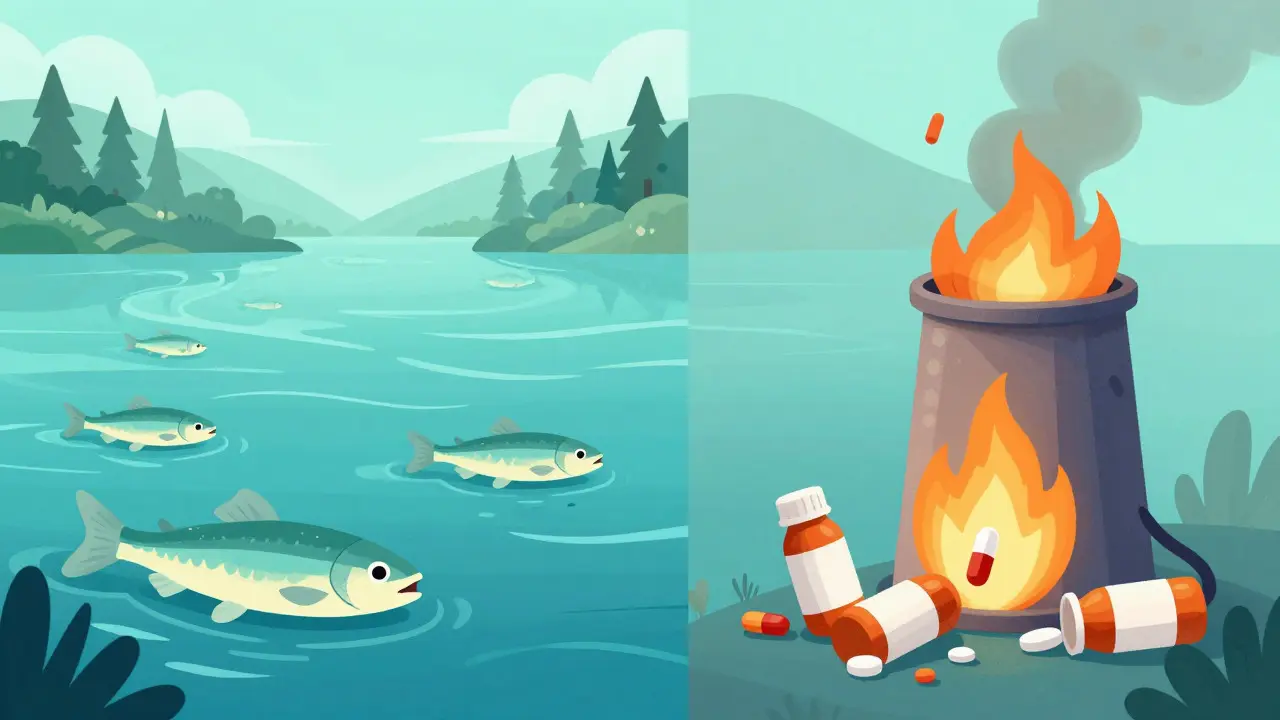
Protecting Waterways: When you flush meds or throw them in the trash, they often end up in wastewater treatment plants that aren’t designed to filter out pharmaceutical compounds. These chemicals can seep into groundwater and rivers, affecting aquatic life and potentially human drinking water. Incineration, the method used by most take-back programs, destroys these molecules completely, preventing environmental contamination.
Challenges and Accessibility Issues
Despite their success, these programs aren’t perfect. One major issue is geographic disparity. Rural areas often lack access to collection sites. Currently, only 63% of rural communities have easy access to take-back options, compared to 89% of urban areas. This gap means residents in remote locations may resort to less safe disposal methods.
Awareness is another hurdle. Surveys indicate that only 28% of Americans are aware of year-round disposal options. Many still believe they must wait for a special event or flush their meds. To combat this, organizations are launching mobile collection units that visit community centers and churches, bringing the service directly to underserved neighborhoods. Programs like Operation Medicine Cabinet in Florida have seen a 73% increase in participation by using these mobile strategies.
FAQ
Can I put my pet's medication in a drug take-back box?
Yes, most drug take-back programs accept pet medications. Whether it’s heartworm prevention, flea treatment, or antibiotics for your dog, these should be disposed of properly to prevent animals from ingesting them accidentally.
Do I need to remove the pills from their bottle before dropping them off?
No, you generally do not need to remove the pills. Keeping them in their original containers helps handlers identify the medication. However, you should remove or cover any personal information on the label to protect your privacy.
Is it safe to throw pills in the regular trash?
It is better than flushing, but not ideal. If no take-back program is available, the FDA recommends mixing crushed pills with an unappealing substance like cat litter or coffee grounds, sealing them in a container, and then throwing them in the trash. This discourages scavenging by children or animals.
Are drug take-back boxes free to use?
Yes, all authorized drug take-back drop boxes and events are free for the public. There is no cost to dispose of your unwanted medications through these programs.
What happens to the drugs after they are collected?
Collected medications are transported to specialized facilities where they are destroyed, usually through high-temperature incineration. This process ensures that the drugs are completely neutralized and do not enter the environment or water supply.
Can I dispose of illicit drugs at a take-back box?
Generally, no. Standard take-back boxes are for legal prescriptions and over-the-counter medications. If you have illicit substances you wish to dispose of safely, contact your local police department for specific instructions, as they may have separate anonymous drop-off procedures.
