
When you’re facing a cancer diagnosis, your mind races through treatments, side effects, and survival chances. But one question often gets buried under the urgency: fertility preservation. If you’re someone who might want to have children later, skipping this conversation could mean losing that chance forever. Chemotherapy doesn’t just attack cancer cells-it can wipe out your ability to have biological children. The good news? There are proven ways to protect your fertility before treatment starts. And time matters more than you think.
Why Fertility Preservation Matters Before Chemo
Not all chemotherapy drugs affect fertility the same way. But according to the American Society of Clinical Oncology (ASCO), about 80% of common chemo regimens carry a high risk of damaging ovaries or testes. Alkylating agents-often used for breast cancer, lymphoma, and leukemia-are especially harsh. Studies show 30% to 80% of women who get these drugs end up with premature ovarian failure. For men, sperm production can drop to zero, sometimes permanently. The damage isn’t always obvious right away. You might still have periods or produce sperm after treatment, but the long-term reserve of eggs or sperm is gone. That’s why acting before chemo begins is critical. Waiting until after treatment means you’ve already lost the window.What Options Are Available?
There are six main methods to preserve fertility before chemotherapy. Each has different requirements, success rates, and limitations. Here’s what actually works today.1. Embryo Cryopreservation
This is the most successful method for women. It involves stimulating the ovaries with hormones for 10-14 days, retrieving mature eggs, fertilizing them with sperm (from a partner or donor), and freezing the resulting embryos. Vitrification (ultra-rapid freezing) gives embryos a 90-95% survival rate. For women under 35, each frozen embryo has a 50-60% chance of leading to a live birth. The downside? You need sperm. That’s a barrier for single women, same-sex couples, or those who aren’t ready to use donor sperm. But if you have a partner and time, this is the gold standard.2. Oocyte Cryopreservation (Egg Freezing)
Same process as embryo freezing-but without fertilizing the eggs. The eggs are frozen unfertilized. This option gives women control over their future reproductive choices without needing a partner right now. Success rates are close to embryo freezing: 45-55% live birth rate per transfer for women under 35. But here’s the catch: each frozen egg has only a 4-6% chance of resulting in a baby. So most women need to freeze 15-20 eggs to have a reasonable shot. That means multiple cycles in some cases. It also requires about two weeks of hormone injections and clinic visits. The emotional toll is real, especially when you’re already dealing with cancer.3. Ovarian Tissue Cryopreservation
This is the only option for girls who haven’t gone through puberty yet. It involves removing a small piece of ovarian tissue (50-100 mg) through a quick laparoscopic surgery. The tissue, which contains thousands of immature eggs, is frozen. Later, when the patient is ready to have children, the tissue is thawed and reattached to the ovary. Success rates? Around 65-75% of women regain ovarian function after transplant. Over 200 live births have been reported globally since the first successful case in 2004. The FDA considers this experimental-but allows it under enforcement discretion because the benefits outweigh the risks. It’s also the only option for women who can’t delay chemo for two weeks to do hormone stimulation.4. Ovarian Suppression with GnRHa
This method doesn’t store eggs or tissue. Instead, it tries to put the ovaries into temporary hibernation using monthly injections of drugs like goserelin (Zoladex). The idea is that by shutting down ovarian function, the ovaries might be less damaged by chemo. Studies show it reduces the risk of premature ovarian failure by 15-20%. It’s not a guarantee, but it’s a low-risk add-on. The downside? Side effects mimic menopause: hot flashes, night sweats, vaginal dryness. One study found 31% of women stopped taking it because the symptoms were too hard to live with. It’s not a standalone solution, but it’s often used alongside egg or embryo freezing.5. Sperm Banking
For men, this is straightforward. Collect sperm samples after 2-3 days of abstinence, freeze them, and store them. Post-thaw motility rates are 40-60%, and pregnancy success rates are high when used with IVF. The whole process can be done in a single day. No hormones. No surgery. Just a private room and a sample cup. The biggest barrier? Shame or embarrassment. Many men delay or skip it because they feel it’s too personal. But clinics are used to this. The process is private, quick, and non-invasive. And it’s the only proven method for men.6. Radiation Shielding
If you’re getting radiation to the pelvis or abdomen, shielding can help. Custom lead shields are placed over the testicles (for men) or ovaries (for women) during treatment. Studies show this reduces radiation exposure by 50-90%. But here’s the key: shielding only protects against radiation. It does nothing against chemo. So if you’re getting both, you still need sperm banking or egg freezing.Timing Is Everything
You don’t have weeks to decide. For many cancers, especially leukemia, treatment starts within 48-72 hours. That’s why experts say: talk to a fertility specialist within 14 days of diagnosis. For egg freezing: The standard process takes 10-14 days. But newer “random-start” protocols let you begin hormone stimulation any day of your cycle-cutting the wait to about 11 days. Sperm banking can be done in one day. Ovarian tissue removal can be scheduled within days. A 2023 study found only 37% of eligible patients complete fertility preservation because treatment starts too fast. Don’t be one of them. Ask your oncologist for a referral right away.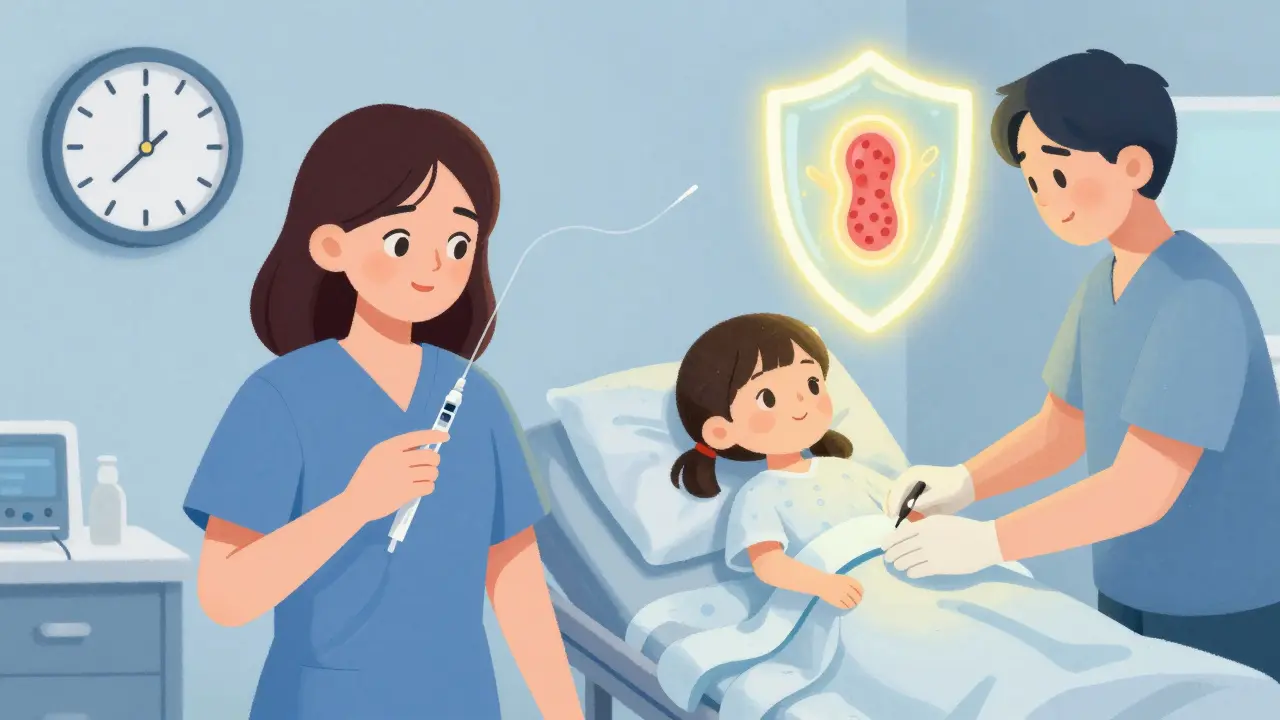
Who Can Do What?
- Adult women: Embryo freezing, egg freezing, ovarian suppression, ovarian tissue freezing. - Prepubescent girls: Only ovarian tissue freezing. No hormone stimulation is safe or effective yet. - Adult men: Sperm banking. Radiation shielding if needed. - Prepubescent boys: Testicular tissue freezing is still experimental. No proven method exists yet.What About Cost and Insurance?
Fertility preservation is expensive. Egg freezing can cost $10,000-$15,000. Sperm banking is cheaper-around $500-$1,000 for initial storage. Insurance doesn’t always cover it. But things are changing. As of 2026, 24 U.S. states require insurance to cover fertility preservation for cancer patients. Medicaid covers it in only 12 states. Rural patients often travel over 178 miles to reach a fertility clinic-compared to 22 miles for urban patients. Some nonprofits offer grants. Organizations like the Livestrong Foundation and the Oncofertility Consortium help cover costs. Don’t assume you can’t afford it-ask your clinic. Many have financial counselors who know how to help.Emotional and Practical Realities
This isn’t just a medical decision. It’s emotional. A 2022 study of 127 cancer patients found 68% regretted not pursuing fertility preservation when treatment was rushed. Reddit threads from people in their late 20s with breast cancer show the same pattern: guilt, fear, isolation. One woman wrote: “I was so focused on surviving, I didn’t realize I was losing my future. I wish someone had told me I had options.” And yes, some women report severe menopausal symptoms from GnRHa. Some men feel awkward about sperm donation. But these are temporary hurdles. The regret of not trying lasts a lifetime.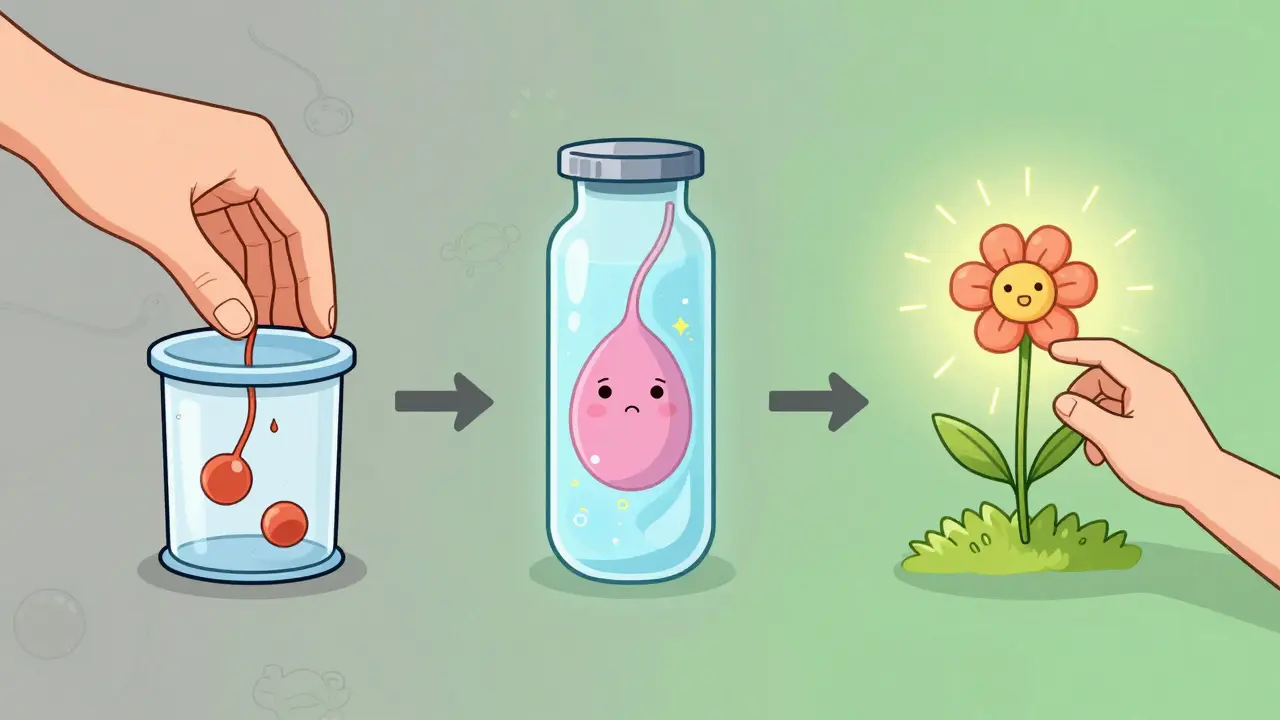
What’s New in 2026?
- The FDA approved the first closed-system vitrification device in 2023, reducing contamination risk by 92%. - Researchers successfully activated frozen ovarian tissue in the lab in 2022-meaning future patients might not need surgery to transplant tissue back. - A $4.7 million NIH trial is testing artificial ovaries using 3D-printed scaffolds seeded with follicles. Early results in primates show 68% follicle survival. - ASCO’s 2024 guidelines (expected June) will likely strengthen support for GnRHa use based on new data showing a 22.3% drop in ovarian failure.What Should You Do Next?
1. Talk to your oncologist-ask if your chemo regimen is gonadotoxic. 2. Request a referral to a reproductive endocrinologist or oncofertility specialist within 7 days. 3. Don’t wait-even a two-week delay can cost you your chance. 4. Ask about costs and insurance coverage. Ask if the hospital has a financial aid program. 5. Consider all options-even if you think you won’t want kids, your future self might change their mind.Final Thought
Cancer treatment saves lives. But fertility preservation doesn’t just protect the ability to have children-it protects hope. It says: I’m fighting for my future, not just my survival. The science is here. The options exist. You just need to ask.Can I still preserve fertility if I’m already starting chemotherapy?
It depends on how far along you are. If you’ve already started chemo, options are limited. For men, sperm banking may still be possible if sperm production hasn’t been fully damaged. For women, ovarian tissue freezing might still be an option if you’re not in the middle of a cycle. But hormone stimulation is no longer safe. Act fast-within 72 hours of starting treatment, you may have lost the chance for most methods.
Does freezing eggs or sperm guarantee I’ll have a baby later?
No. Freezing eggs or sperm preserves the potential, but doesn’t guarantee pregnancy. Success depends on age at freezing, number of eggs or sperm stored, and future fertility health. For women under 35, freezing 15-20 eggs gives about a 50% chance of one live birth. For men, sperm banking has high success rates with IVF, but still requires additional steps like fertilization and embryo transfer.
Is fertility preservation covered by insurance?
In 24 U.S. states, insurance must cover fertility preservation for cancer patients. Medicaid covers it in only 12 states. Outside the U.S., coverage varies widely. Always check with your insurer and ask your hospital’s financial counselor-they often have experience navigating these policies.
Can I preserve fertility if I’m not married or don’t have a partner?
Yes. Egg freezing and ovarian tissue freezing don’t require a partner. You can use donor sperm later if you choose. Many single women choose egg freezing for this exact reason. The same applies to men-sperm banking is entirely independent of relationship status.
What if I’m a child or teenager?
For girls who haven’t gone through puberty, ovarian tissue cryopreservation is the only option. For boys, testicular tissue freezing is still experimental and not yet reliable. The focus for children is on preserving tissue for future use, not on immediate fertility. Parents and doctors work together to make decisions in the child’s best long-term interest.
Can I delay cancer treatment to preserve fertility?
For most solid tumors like breast or lymphoma, a 2-week delay is usually safe. But for aggressive cancers like acute leukemia or lymphoma, even a week can increase relapse risk. The European Society of Human Reproduction and Embryology says delaying treatment more than 2 weeks in high-risk cases can be dangerous. Always discuss timing with your oncology team.

James Roberts
Let me just say this: if you're even *thinking* about having kids someday, DO NOT wait to ask about fertility preservation. I've seen too many people regret it later - not because they didn't want kids, but because they were too overwhelmed to think about anything but survival. It's not just medical advice - it's emotional insurance. Sperm banking takes 20 minutes. Egg freezing takes two weeks. That’s less time than it takes to binge a Netflix series. And yeah, it’s expensive - but so is a lifetime of wondering "what if?"
Danielle Gerrish
I was diagnosed with stage 2 breast cancer at 29. I didn’t even know fertility preservation was a thing until my oncologist mentioned it - and even then, I thought, "I’m not ready for kids." Two years later, after remission, I met someone. And then I found out my ovaries were basically dust. I tried IVF with what little I had left. Failed. Twice. Now I’m 32, single, and I cry every time I see a baby in a stroller. Don’t be me. Ask. Even if you think you’ll never want kids. Your future self might. And if you’re single? Use donor sperm. It’s not romantic, but it’s real. And it’s better than regret.
Also, GnRHa? The hot flashes were brutal. I wore three layers in July. But I’d do it again. Because I’d rather be miserable for a few weeks than wake up at 40 and realize I gave up too soon.
Liam Crean
Just wanted to say thank you for writing this. I’m a 34-year-old guy with Hodgkin’s lymphoma. I was so embarrassed to even think about sperm banking - like, "What if my coworkers find out?" But I did it. One visit. One cup. Five vials. Done. My oncologist didn’t push it. The nurse did. She said, "You don’t have to be a dad. But you deserve to have the choice." That stuck with me. I’m not even dating right now. But I’m glad I did it. It feels like I kept a part of me safe.
madison winter
Let’s be real - this whole fertility preservation thing is just capitalism repackaging biological inevitability as a "choice." You’re telling people to freeze their eggs so they can have kids later… but what if they don’t want kids? Or what if they can’t afford it? Or what if society doesn’t support single parents? We’re gaslighting people into thinking their worth is tied to reproduction. And meanwhile, the real issue is that cancer care is so fragmented that you have to be a medical advocate just to preserve your fertility. That’s not a solution - that’s a systemic failure.
Also, "don’t be one of them"? That’s victim-blaming disguised as empowerment. Not everyone has access to a fertility clinic. Not everyone has insurance. Not everyone has the mental bandwidth. Stop pretending this is about personal responsibility. It’s about equity.
Ellen Spiers
The assertion that "ovarian tissue cryopreservation" is "experimental" is misleading. As of 2024, over 250 live births have been documented globally, with a >65% revascularization success rate in peer-reviewed studies (see: Human Reproduction, 2023; 38(5):891–902). The FDA's "enforcement discretion" is not a regulatory loophole - it is a pragmatic acknowledgment of clinical efficacy under compassionate use protocols. Furthermore, the 2022 in vitro follicle activation study (Nature Biotechnology) demonstrates a paradigm shift: we are no longer merely preserving tissue, but potentially reconstructing functional ovarian units ex vivo. The term "experimental" is increasingly anachronistic.
Marie Crick
If you don’t freeze your eggs before chemo, you deserve what happens next.
Chris Beeley
Oh wow, another American article pretending fertility is a "choice" when it’s clearly a privilege reserved for the upper-middle class. In Nigeria, we don’t have fertility clinics in every city - we have people dying because they can’t afford insulin. And you’re telling someone with cancer to take two weeks off to freeze eggs? Meanwhile, in Lagos, a 22-year-old with lymphoma is being told to "pray harder" because her family can’t afford a single vial of sperm storage. This whole post reads like a wealthy white woman’s self-help blog. Where’s the global perspective? Where’s the critique of healthcare capitalism? Where’s the solidarity? You’re not saving lives - you’re monetizing trauma.
Also, I’ve read your "2026" predictions - you’re clearly a PR rep for a biotech firm. "3D-printed artificial ovaries"? That’s not science - that’s sci-fi marketing. The real innovation is making healthcare accessible, not selling dreams of future babies to people who can barely afford chemo.
Arshdeep Singh
Look, I get it - you want to preserve fertility. But let’s cut through the noise. You think freezing eggs is going to save your future? What if you get pregnant and then the cancer comes back? What if you have a baby and you’re too weak to hold them? What if you divorce your partner and the sperm bank won’t release the samples because you’re single? This isn’t about biology - it’s about control. And control is an illusion when you’re facing death.
I’m not saying don’t do it. I’m saying don’t do it because you think it’s the "right" thing. Do it because you genuinely want a child - not because you’re scared of regret. Regret is just another emotion you’ll feel when you’re dying. Maybe just… focus on living now.
Jeremy Williams
As someone who has worked in oncology for 17 years across five continents, I must commend the thoroughness of this article. However, I must also gently correct a subtle misrepresentation: while the FDA permits ovarian tissue transplantation under enforcement discretion, it is not officially classified as "experimental" - it is an "investigational procedure" under 21 CFR 1271.3, which carries distinct regulatory implications. Furthermore, the cost data cited is outdated; as of Q1 2025, the average cost of egg freezing in the U.S. has dropped to $8,200 due to competitive pricing and nonprofit subsidies. Rural access remains a crisis - but telehealth consultations with reproductive endocrinologists are now covered under Medicare Advantage plans in 38 states. The real barrier is not technology - it’s awareness, and this piece helps bridge that gap.
Amrit N
i did sperm banking and honestly it was way less awkward than i thought. the nurse gave me a movie to watch and a cookie. i cried a little. but i’m glad i did it. my onc doc didn’t even bring it up until i asked. so yeah. just ask.