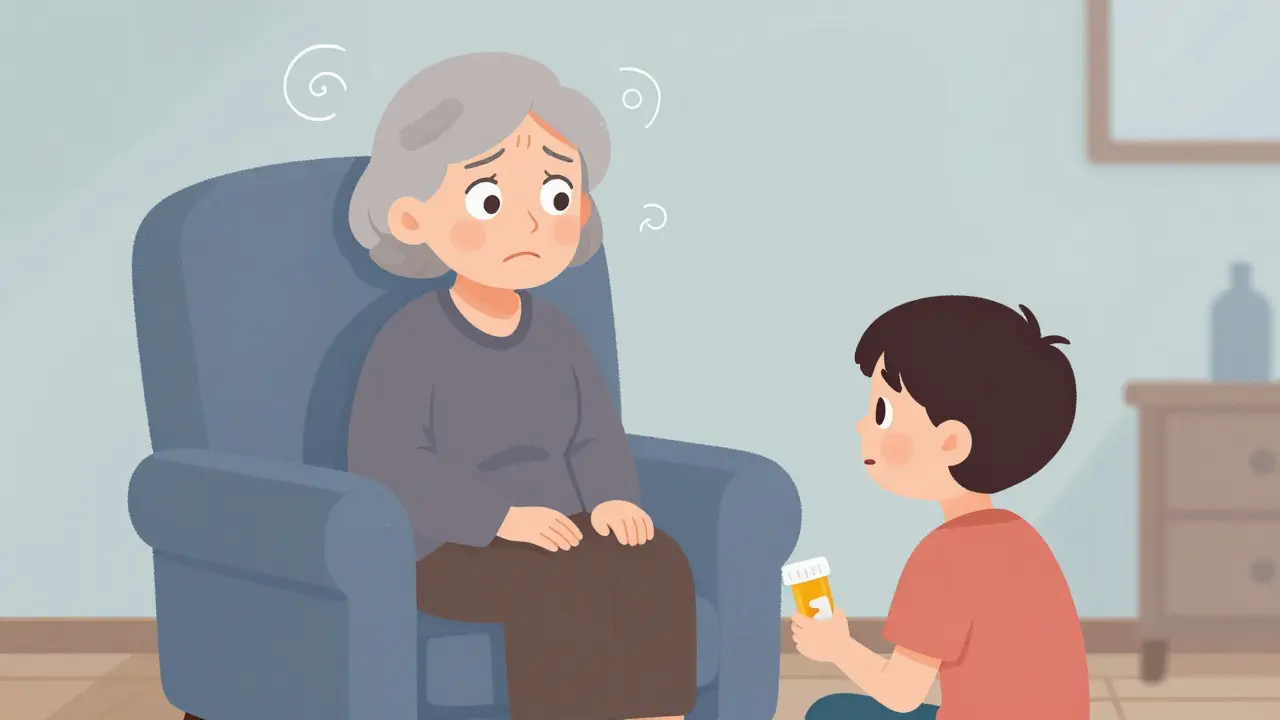
Imagine your usually sharp and witty parent suddenly becoming confused, agitated, or strangely quiet within just a few days. It feels like they’ve changed into a different person. For many families, this sudden shift is not the progression of dementia, but rather medication-induced delirium. This acute confusional state is one of the most common yet preventable complications in older adults, often triggered by everyday drugs used for sleep, pain, or bladder control.
Delirium is an acute change in brain function that develops over hours to days and fluctuates throughout the day. Unlike dementia, which progresses slowly over years, delirium can appear suddenly and, if caught early, is often reversible. In hospitalized patients over 65, medication-induced delirium affects approximately 20% of cases. Because it is so common and frequently mistaken for normal aging or psychiatric issues, understanding the specific signs and high-risk medications is critical for keeping seniors safe.
Understanding the Core Problem
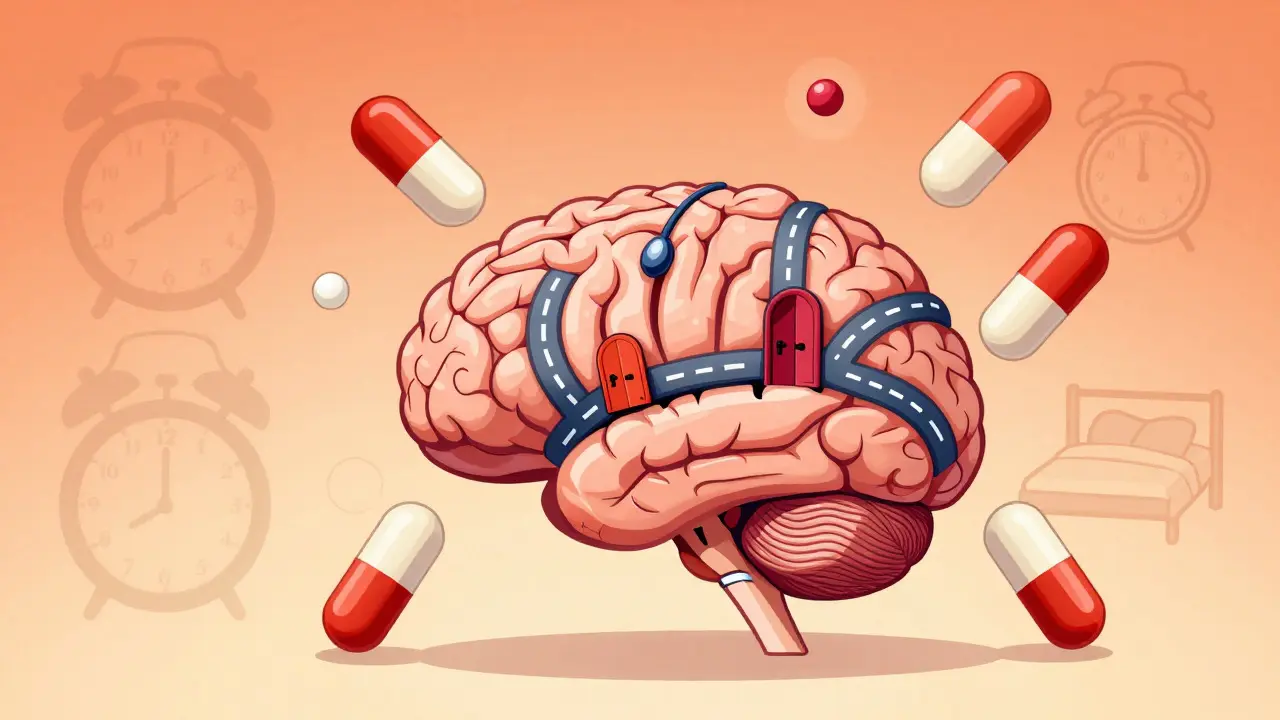
Medication-induced delirium is an acute neurological condition caused by adverse drug reactions, characterized by sudden onset of confusion, inattention, and altered consciousness. It is distinct from dementia because of its rapid onset and fluctuating course. While dementia involves a gradual decline in cognitive function, delirium hits fast. The primary mechanism behind this condition involves the disruption of neurotransmitters in the brain, particularly acetylcholine. When certain medications block the effects of acetylcholine, the brain’s ability to process information and maintain attention breaks down.
The stakes are high. Patients who experience delirium have mortality rates twice as high as those who do not. On average, a delirium episode adds eight extra days to a hospital stay. Furthermore, recovery is rarely complete; many patients suffer from worse physical and cognitive outcomes six to twelve months after the event. Recognizing that drugs are the single most common reversible cause of this condition empowers caregivers and doctors to intervene before permanent damage occurs.
High-Risk Medication Classes
Not all pills carry the same risk. Some classes of drugs are significantly more likely to trigger delirium in older adults due to how they interact with aging brains. Identifying these culprits is the first step in prevention.
- Anticholinergics: These are the top offenders. They block acetylcholine, leading to confusion. Common examples include diphenhydramine (found in Benadryl), oxybutynin (for bladder leaks), and amitriptyline (for pain or mood). A score of 3 or higher on the Anticholinergic Cognitive Burden Scale correlates with a 1.67 times higher risk of delirium.
- Benzodiazepines: Drugs like diazepam and lorazepam are often prescribed for anxiety or sleep. However, they increase the odds of developing delirium by threefold in residential care settings. Long-acting versions pose a greater risk than short-acting ones.
- Opioids: Necessary for pain management, but risky at high doses. Meperidine is particularly dangerous due to a metabolite that excites the central nervous system. Hydromorphone has been shown to have a lower incidence of delirium compared to morphine at equivalent pain-relieving doses.
- First-Generation Antihistamines: Older allergy meds have strong anticholinergic properties. Switching to second-generation alternatives like loratadine can significantly reduce risk.
| Medication Class | Common Examples | Risk Factor / Mechanism | Safer Alternative Strategy |
|---|---|---|---|
| Anticholinergics | Diphenhydramine, Oxybutynin | Blocks acetylcholine; 4.7x risk with polypharmacy | Use non-anticholinergic options; review ACB score |
| Benzodiazepines | Diazepam, Lorazepam | 3.0 odds ratio for delirium; prolonged duration | Limit to alcohol withdrawal/seizures; use CBT-I for sleep |
| Opioids | Morphine, Meperidine | CNS depression; normeperidine toxicity | Multimodal pain management; prefer hydromorphone if needed |
| Antihistamines | Benadryl (Diphenhydramine) | Strong anticholinergic burden | Switch to Loratadine or Cetirizine |
Recognizing the Three Subtypes
One of the biggest challenges in detecting medication-induced delirium is that it doesn’t always look like the frantic agitation seen in movies. In fact, hypoactive delirium accounts for 72% of cases in older adults. If you only look for restlessness, you might miss the condition entirely.
- Hypoactive Delirium: This presents as lethargy, apathy, and withdrawal. The patient may seem sleepy, uninterested in their surroundings, or slow to respond. It is frequently misdiagnosed as depression or normal fatigue. Because these patients are less disruptive, staff and family members often overlook them.
- Hyperactive Delirium: Characterized by restlessness, agitation, hallucinations, and wandering. This type is easier to spot because the behavior is obvious, but it also poses a physical safety risk if the patient tries to pull out IV lines or fall.
- Mixed Delirium: Combines features of both. The patient may alternate between being calm and withdrawn, then suddenly agitated and confused. This fluctuation is a hallmark of delirium.
Caregivers often report a "complete transformation" in personality within 48 hours of starting a new high-risk medication. Watch for sudden changes in attention span, disorientation to time or place, and visual disturbances. If a senior seems "off" shortly after a medication change, assume delirium until proven otherwise.
Prevention Strategies for Caregivers and Clinicians
Prevention is far more effective than treatment. Since medication-induced delirium is reversible, stopping the offending agent early can reverse symptoms quickly. Here is how to build a defense against it.
1. Conduct Regular Medication Reviews Use validated tools like the Beers Criteria®, which lists medications to avoid in older adults. The 2023 update includes 56 such drugs. Specifically, calculate the Anticholinergic Cognitive Burden (ACB) score. If the score is 3 or higher, discuss alternatives with the doctor. Polypharmacy-taking multiple drugs-amplifies the risk. Patients on three or more anticholinergic medications face a nearly five-fold increase in delirium risk.
2. Implement Non-Pharmacological Interventions The Hospital Elder Life Program (HELP), developed by Dr. Sharon Inouye at Yale, reduces delirium incidence by 40%. Key components include:
- Reorienting the patient frequently (telling them the date, time, and location).
- Ensuring adequate hydration and nutrition.
- Encouraging mobility and physical activity.
- Improving sleep hygiene without using sedatives.
- Providing hearing aids and glasses if the patient uses them.
3. Taper Medications Slowly Do not stop high-risk drugs abruptly. Benzodiazepines, for example, require a slow taper over 7-14 days to prevent withdrawal symptoms, which can themselves trigger delirium. Work closely with a pharmacist or geriatrician to create a safe discontinuation plan.
4. Optimize Pain Management Instead of relying solely on opioids, use multimodal approaches. Combining acetaminophen with non-pharmacological methods like heat therapy or gentle massage can reduce opioid requirements by 37%, thereby lowering the risk of CNS-related confusion.

Epidemiology and Economic Impact
Medication-induced delirium is not just a personal health issue; it is a massive public health burden. In the United States alone, it contributes to $164 billion in excess healthcare costs annually. The condition affects between 14% and 56% of older hospitalized patients, with intensive care units reporting the highest rates at up to 80%.
The Centers for Medicare & Medicaid Services (CMS) now classifies hospital-acquired delirium as a "never event," meaning hospitals are not paid for complications arising from it. This regulatory pressure has led 68% of hospitals to implement formal delirium prevention protocols since 2020. Hospitals using the Confusion Assessment Method (CAM) screening tool have seen a 32% reduction in incidence rates. As the population ages, with the 65+ demographic expected to grow from 56 million to 80 million by 2040, the need for proactive medication management will only increase.
Frequently Asked Questions
How quickly does medication-induced delirium start?
The timeline varies by drug class. Benzodiazepines typically cause symptoms within 24 to 72 hours. Anticholinergics may take longer, with symptoms appearing after 3 to 7 days. However, some patients may show subtle signs of confusion immediately after the first dose.
Is delirium permanent?
No, delirium is an acute condition and is often reversible once the underlying cause is treated. If the medication is stopped and supportive care is provided, most patients return to their baseline cognitive function. However, if unrecognized, it can lead to long-term cognitive decline or worsen existing dementia.
What is the difference between delirium and dementia?
Delirium has a sudden onset (hours to days) and fluctuates throughout the day. Dementia has a gradual onset (months to years) and remains relatively stable during the day. Delirium involves inattention and altered consciousness, while dementia primarily involves memory loss and executive dysfunction. A patient can have both conditions simultaneously.
Which medications should I avoid giving my elderly parent?
Avoid first-generation antihistamines like diphenhydramine (Benadryl), strong anticholinergics like oxybutynin, and benzodiazepines unless specifically prescribed for severe conditions like seizures. Always check the Beers Criteria list or consult a pharmacist to review the full medication profile for potential interactions and risks.
Can delirium happen outside of hospitals?
Yes. While hospitals are a common setting due to the introduction of new medications and stressors, medication-induced delirium can occur in home settings, especially when a new prescription is started or when multiple medications are combined. Homebound seniors with limited social interaction may be at higher risk for undetected hypoactive delirium.
