NSAID Safety & Heart Health Monitor
Step 1: Medication Safety Check
Select or SearchStep 2: Symptom Monitor
Daily Check-inDid you experience any of these changes today?
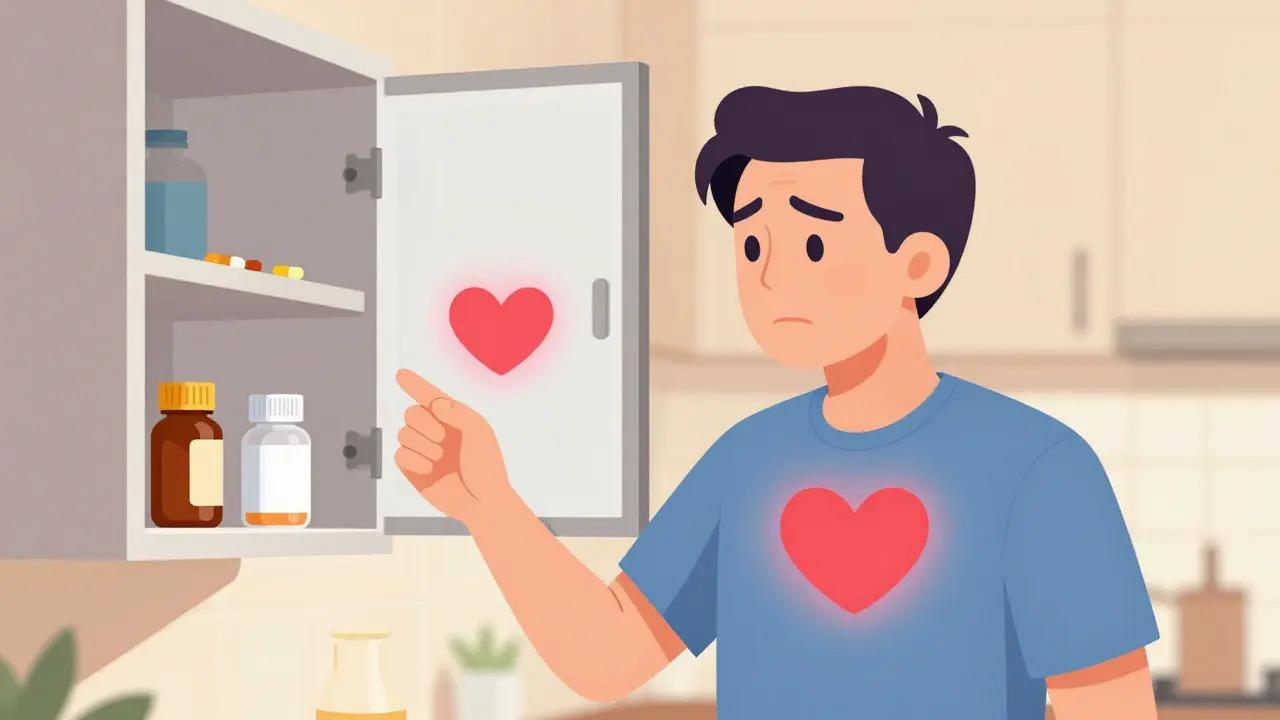
The Hidden Danger in Your Medicine Cabinet
You manage your heart condition carefully. You watch your salt intake, you track your weight, and you take your daily pills exactly as prescribed. But there is one thing sitting in your kitchen cabinet that could undo all that hard work instantly. Non-steroidal anti-inflammatory drugs, known as NSAIDs a class of medications commonly used to reduce pain and inflammation, are frequently taken for headaches, muscle aches, or arthritis. For most people, these drugs are harmless enough. For someone living with Heart Failure a chronic condition where the heart cannot pump blood effectively to meet the body's needs, they can be a direct path to the emergency room.
Medical guidelines have long warned about this interaction, yet prescriptions continue to slip through. Recent data from the 2024 Global Heart Failure Registry highlights a stark reality: patients exposed to NSAIDs within 30 days of discharge saw readmission rates jump by 28%. That is not a statistical outlier; it is a critical safety gap. This article explains exactly why these drugs cause trouble, how the risk varies between types, and what you should use instead to stay safe.
How NSAIDs Trigger Fluid Buildup
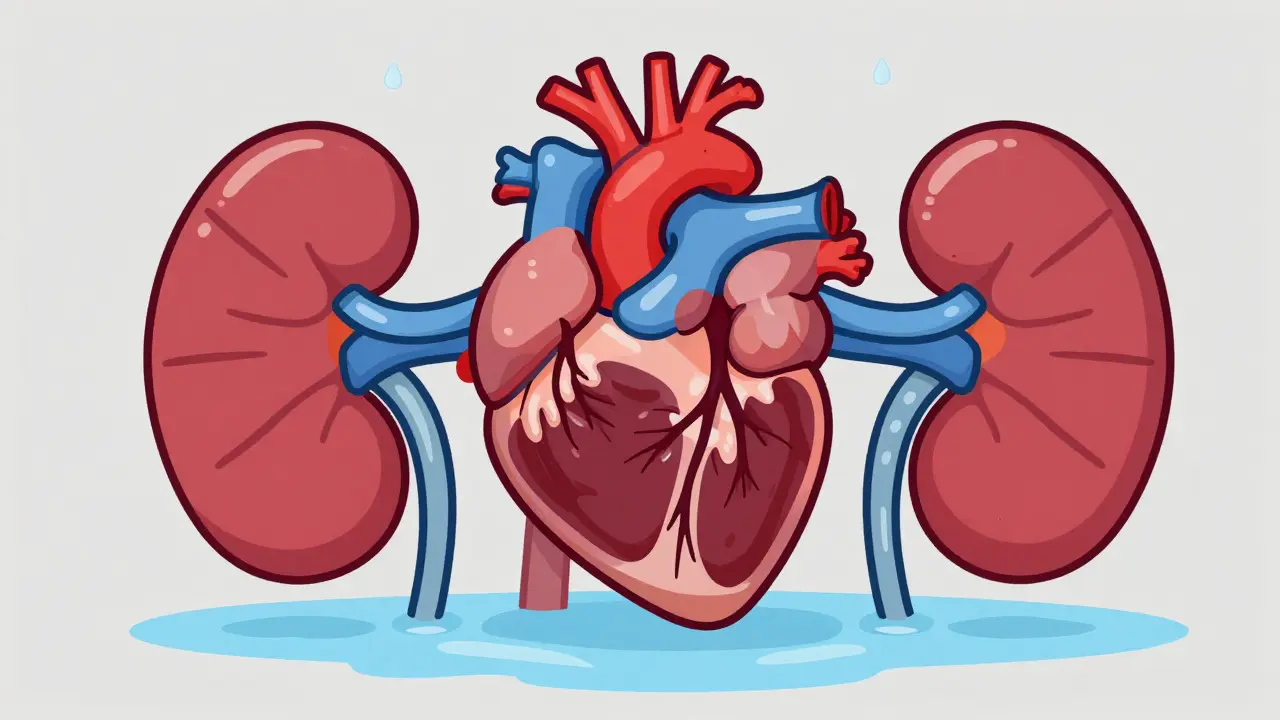
To understand the risk, you need to look at how these drugs interact with your kidneys. Your kidneys rely on chemicals called prostaglandins to keep blood flowing correctly and to help flush out excess salt and water. NSAIDs work by blocking cyclooxygenase enzymes (specifically COX-1 and COX-2), which stops your body from making those protective prostaglandins. When you stop this production, your kidneys react by holding onto sodium and water instead of excreting it.
This fluid retention increases the volume of blood circulating through your veins. Think of it like adding too much water to an already full hose. For a healthy heart, this extra pressure is manageable. For a heart struggling to pump efficiently, this added load forces the heart to work harder. The result is often acute decompensation, where symptoms worsen rapidly. Studies by Bleumink et al. published back in 2003 demonstrated that this renal impairment can cause a 20% to 30% drop in renal blood flow in susceptible patients. Even short-term exposure triggers this chain reaction. Patients often report gaining several kilograms of weight overnight after just taking a few doses.
| Drug Class | Examples | Risk Level for Heart Failure |
|---|---|---|
| Traditional NSAIDs | Ibuprofen, Naproxen, Diclofenac | High |
| COX-2 Inhibitors | Celecoxib (Celebrex) | High |
| Salicylates | Aspirin (high dose) | Moderate to High |
Hospitalization Risk and Real-World Data
The connection between NSAID use and heart failure hospitalization is supported by large-scale clinical evidence. A nationwide Danish cohort study led by Holt et al. in 2022 analyzed data over two decades involving Type 2 diabetes patients, many with underlying cardiovascular stress. They found that even brief use-just 28 days-significantly increased the odds of ending up in the hospital for heart failure complications. The risk wasn't limited to long-term users either. The highest danger window was actually the first week of starting the medication.
Why does this happen so quickly? It comes down to physiological tipping points. Dr. Gysèle S. Bleumink noted that elderly patients are particularly vulnerable because their renal function is naturally declining. When you add a kidney-stressing drug like diclofenac to an aging system, the buffer capacity vanishes. Patient reports from community forums describe scenarios where an individual takes two tablets of 400mg ibuprofen for a minor back spasm and wakes up three days later gasping for air, swollen ankles, and four kilograms heavier. These aren't isolated incidents; they represent the standard mechanism of injury described in pharmacological texts.
Are Some Painkillers Safer Than Others?
A common question among patients is whether one type of NSAID is safer than the rest. There has been debate for years about selective COX-2 inhibitors, such as celecoxib. Early marketing suggested these were gentler on the stomach and potentially safer for the heart compared to traditional options like naproxen. However, current consensus from regulatory bodies like New Zealand's Medsafe clarifies this misconception. By June 2019, official guidance stated that putative renal-sparing NSAIDs carry similar effects on renal function as traditional NSAIDs.
If you look at meta-analyses comparing relative risks, naproxen sometimes shows a slightly lower cardiovascular profile than ibuprofen or diclofenac, with a relative risk around 0.92 compared to non-use. However, "slightly lower" is not "safe." For a patient with established heart failure, the recommendation remains strict avoidance of all NSAID classes. The European Society of Cardeliness explicitly categorized NSAID use as Class III harmful in 2021. Even low-dose aspirin requires caution. While low-dose aspirin is often necessary for preventing clots, high-dose therapeutic doses (often sold over-the-counter for pain) trigger the same fluid retention issues. Always distinguish between cardiac aspirin and anti-inflammatory dosing when discussing pain management.
Better Options for Pain Management
So, if your knee hurts or you have a headache, what do you take? The answer lies in medications that do not inhibit prostaglandin synthesis in the kidneys. Acetaminophen (also known as paracetamol) is the primary alternative recommended by clinicians. It treats pain and reduces fever but lacks the strong anti-inflammatory properties required for severe swelling. Crucially, it does not interfere with renal prostaglandin pathways or fluid balance.
Topical NSAIDs, like gels containing diclofenac, offer another layer of complexity. Systemic absorption is lower than oral tablets, meaning less impact on the kidneys. However, it is not zero risk. Transdermal patches still allow some drug entry into the bloodstream. If you must try a topical version, do so under strict supervision. Additionally, non-pharmacological methods should always be exhausted first. Heat therapy, physical therapy adjustments, and gentle stretching can often manage pain without introducing chemical risks. If inflammation is the primary driver, corticosteroids might be considered in specific cases, but these require careful monitoring too.
Recognizing the Warning Signs
Vigilance is your best defense. If you accidentally take an NSAID or start feeling unwell, knowing the early signs of fluid overload can save time. Watch for these specific changes:
- Weight Gain: A sudden increase of more than 1kg (2.2 lbs) over 24 hours suggests rapid fluid accumulation.
- Swelling: Look at your ankles and calves. Pitting edema means pressing the skin leaves an indent that doesn't bounce back.
- Breathing Changes: Feeling short of breath while lying flat or needing extra pillows to sleep is a sign of pulmonary congestion.
- Fatigue: A sudden drop in energy levels can signal reduced cardiac output due to the strain.
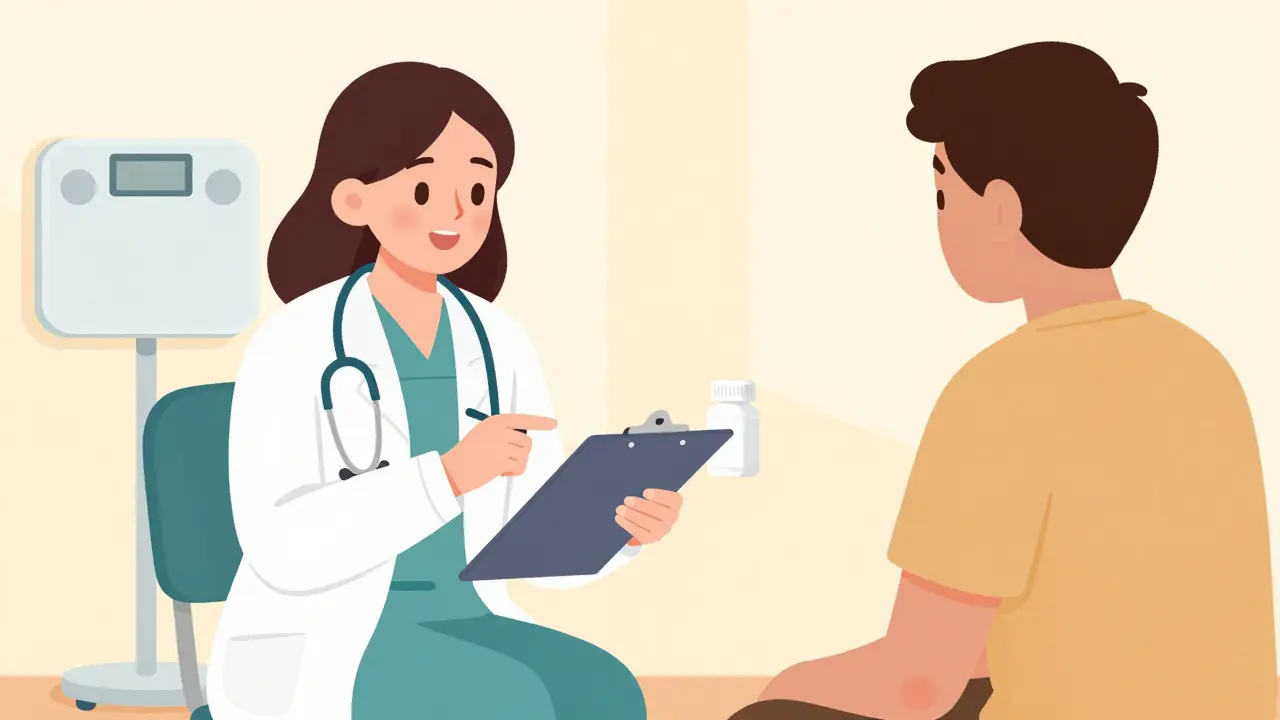
Documentation matters here. Keep a log of your daily weight and symptoms. Many healthcare providers recommend weighing yourself every morning before breakfast and empty bladder. If you spot the trend, contact your cardiologist immediately rather than waiting for the next routine appointment. In emergency situations where breathing becomes difficult, seek urgent care right away. Don't assume the symptoms will pass on their own; they usually won't without diuretic intervention.
Questions We Hear Most Often
Can I take a single dose of ibuprofen for a migraine if I have heart failure?
No. Even a single dose can trigger the renal mechanism described above. The safest practice is to avoid all NSAIDs completely. Use acetaminophen instead and discuss persistent migraines with your doctor to find heart-safe abortive medications.
Is aspirin included in this warning?
Low-dose aspirin (81mg) for heart protection is generally okay, but high-dose aspirin used for pain relief acts like other NSAIDs. Do not exceed 100mg daily without explicit approval from your cardiologist.
What if I am already taking an NSAID and discover I have heart failure?
Stop taking the NSAID immediately and consult your prescribing physician. Do not stop abruptly if you are dependent on it for chronic inflammation without a plan, but inform them you now have a diagnosis requiring immediate review.
Does drinking more water help fix the fluid retention caused by NSAIDs?
No. Increasing water intake while on NSAIDs often makes the problem worse. Your kidneys aren't processing fluid correctly. Diuretics (water pills) prescribed by a doctor are the correct way to manage this fluid retention.
Are herbal pain supplements safe for heart failure patients?
Caution is advised. Some natural supplements like turmeric or willow bark contain compounds that act similarly to NSAIDs. Always list every supplement you take to your pharmacist to check for interactions.
Next Steps for Safety
Taking charge of your medication list is a powerful step. Review your cabinet for over-the-counter bottles labeled with ingredients like ibuprofen, naproxen, or diclofenac. Remove them from easy reach if possible to prevent accidental use. Talk openly with your doctor about pain management. Tell them clearly: "I have heart failure and want to avoid NSAIDs." Ask for a written pain management plan that includes alternatives like acetaminophen dosing limits or referral to a specialist for nerve blocks if needed.
Family members play a huge role too. Educate those who help you with chores or errands. Make sure they know not to hand you leftover painkillers from their own supply. With modern mobile health apps, such as the planned release by the American College of Cardiology in 2025, you can set alerts in your digital health records. Staying informed keeps you in control of your recovery journey and prevents unnecessary hospital stays.

Joseph Rutakangwa
Just stick to acetaminophen always
Sam Hayes
i used to take ibuprofen for my back constantly without thinking much about the heart stuff then
and now i see the real risk involved here with fluid retention
my cardiologist told me the same thing about prostaglandins blocking kidney function
so yeah stop taking those painkillers unless your doctor says ok
its better to sleep on ice packs than crash into the er later
Vicki Marinker
The correlation presented does not necessarily imply causation in all contexts
One must consider baseline renal function before attributing hospitalization solely to pharmaceutical agents
Statistical significance is high yet clinical nuance remains absent in such broad generalizations
We should demand more granularity regarding comorbidities affecting patient outcomes
Critical analysis suggests confounding variables were likely present in the registry data
Lawrence Rimmer
The fundamental truth is that modern medicine treats symptoms rather than root causes
Blocking inflammation is merely masking the internal dysfunction of the body
Patients are seduced by quick fixes while their cardiovascular system deteriorates in silence
We ignore the wisdom of natural balance until crisis strikes us inevitably
This is not about pills anymore it is about the failure of biological maintenance
Ace Kalagui
It is really important that we consider how our bodies react differently to medications over time
Many people forget that what worked yesterday might harm us today especially with chronic conditions
I have seen friends rush through the pharmacy aisles grabbing whatever feels familiar without checking interactions
The kidneys are truly amazing organs that work silently to keep us balanced day and night
When you block their natural pathways with drugs the entire system starts fighting against itself
Weight gain overnight is a red flag that nobody should ever ignore lightly or dismiss casually
Tracking daily measurements gives you a huge advantage when talking to your healthcare providers
Doctors often appreciate patients who come prepared with logs and clear symptom histories
Acetaminophen is indeed safer but even that needs limits depending on liver health status
Pain management strategies should involve heat therapy and gentle stretching before popping a pill
Mindfulness about what enters our mouths is the first step towards long term stability
We cannot expect to maintain health if we continuously challenge our own physiology unnecessarily
The path forward involves education and vigilance regarding every single ingredient we consume
Family members also play a critical role in keeping medication cabinets organized and monitored
Please remember that prevention is always easier than trying to reverse acute decompensation later
Beth LeCours
this is so scary for everyday folks who just want help with a headache
i dont know why doctors do not explain this clearly
people just die without knowing why
angel sharma
You can beat this condition by staying strong and informed about every choice you make for your body
The power lies in knowledge and using that to protect yourself from hidden dangers everywhere
Stay positive about managing your health journey with all the right tools available today
Every day you choose safely you win another round in the fight against sickness
Never give up on finding relief that does not compromise your heart health ever again
Keep pushing forward with energy and ask the right questions whenever you feel unsure
Your future self will thank you for being so diligent about safety protocols now
Make sure to tell your whole family what you learned so they stay safe too
Together we can build habits that keep us healthy for decades to come
Focus on the things you can control like diet and exercise alongside medication choices
Believe in your ability to navigate these challenges with confidence and grace
Goodwin Colangelo
Here is a tip I share with everyone I know about heart issues
Avoid anything ending in fen or ibuprofen like the plague
Just grab the white pill acetaminophen box instead of colored ones
Ask your pharmacist to double check everything on your shelf regularly
They will catch interactions you would never spot yourself easily
Joey Petelle
How quaint that we must rely on bureaucratic warnings to prevent self inflicted ruin
The common person lacks the intellectual capacity to manage their own metabolic processes responsibly
Society expects individuals to navigate complex pharmacology without specialized training whatsoever
True sophistication lies in understanding one's biology rather than relying on cheap chemical crutches
Perhaps the masses simply enjoy the thrill of risking emergency room visits for trivial inconveniences
Will Baker
Oh look another doom post scaring people into hospitals over imaginary risks
The real issue is stress and lack of sleep not some ibuprofen tablet
Why are we not focusing on the bigger systemic failures instead of small pills
People will panic over water pills when they could be drinking wine instead
Sarcasm aside I suppose avoiding kidney strain is technically beneficial for survival
Dee McDonald
Wake up and realize that proactive health management saves lives literally
Stop ignoring the warning signs posted right in front of your eyes
Take immediate action to clean out your medicine cabinet of dangerous items
Consult your specialist today and do not wait until swelling appears
I am serious about this because every minute counts with heart conditions
Divine Manna
It is medically inaccurate to suggest topical NSAIDs carry zero risk of absorption
The bioavailability varies by skin thickness and formulation concentration significantly
Furthermore the distinction between therapeutic doses and analgesic doses requires precision
Medical professionals must clarify these nuances to avoid confusion among laypersons
One cannot generalize safety across all application methods without evidence review
HARSH GUSANI
Health is wealth 🧘♂️💊 Do not mess with your heart ❤️🩸 Listen to science 📚🔬 Stay pure 🌱✨ God bless your journey 🙏🏥
Jenna Carpenter
Dont trsut thse mediens companys they lie about saftey
Peple shudnt try to fix pains on ther own wthout help
Its bad to mix stuff up in yur stomach area
Yell to docs when somethng feels wrong quickly
Hope u read this carefull and do not get hurt by bad pills
Divine Manna
Furthermore the European Society guidelines explicitly categorize these interactions as harmful
Regulatory bodies have updated their stance based on cumulative data analysis
Continued disregard for these classifications leads to preventable mortality rates globally
Rigorous adherence to protocol ensures optimal patient outcomes across all demographics
Evidence-based practice remains the cornerstone of effective cardiovascular management strategies