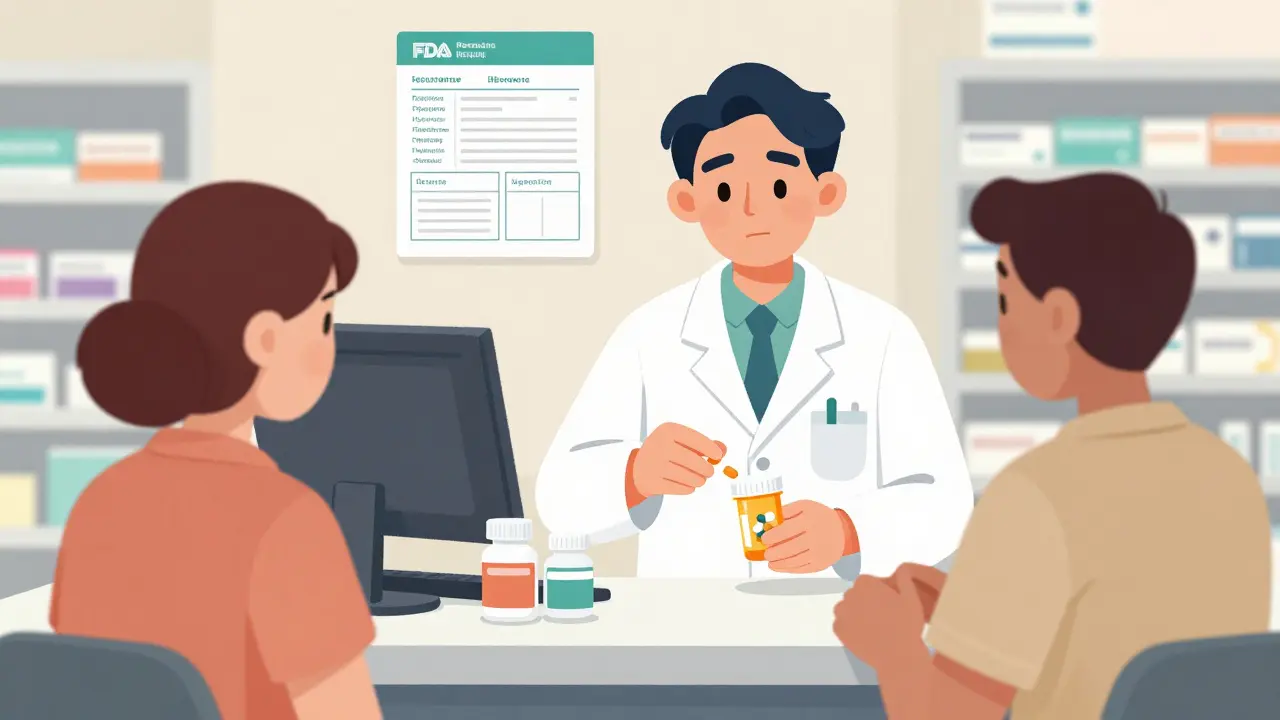
When you pick up a prescription at your local pharmacy, you might not think twice if the pill looks different from last time. That’s generic substitution-a routine move in retail pharmacies. But if you were hospitalized and your IV antibiotic changed without you being asked, that’s a different kind of substitution altogether. The truth is, retail and hospital pharmacies don’t just serve different locations-they operate under completely different rules when it comes to swapping one drug for another.
How Substitution Works in Retail Pharmacies
In retail settings, substitution is mostly about cost and convenience. When a doctor writes a prescription for a brand-name drug like Lipitor, the pharmacist can legally swap it for a generic version like atorvastatin-unless the doctor checks "do not substitute" or the patient refuses. This isn’t optional; it’s built into pharmacy law in all 50 states. In fact, about 90.2% of eligible prescriptions in retail settings are filled with generics, according to IQVIA’s 2023 National Prescription Audit. The driver? Insurance formularies. Most plans push for generics because they’re cheaper. A retail pharmacist doesn’t need a doctor’s approval to make the switch. But they do have to tell you. Thirty-two states require a verbal notice, and 18 require written consent the first time a substitution happens. Some states even mandate that the original brand name be printed on the label alongside the generic. Most substitutions in retail are for oral tablets or capsules-97.3% of them, per NCPA data. IV drugs, biologics, and complex formulations rarely get swapped here. Why? Because retail pharmacists aren’t trained or equipped to handle those safely outside a hospital setting. And even if they could, insurance usually blocks it. Only 12.7% of specialty drugs are eligible for substitution, according to Express Scripts. The real challenge for retail pharmacists isn’t the law-it’s the patient. One in seven patients (14.3%) report confusion or anxiety after a substitution, according to Consumer Reports. Some think the generic is weaker. Others worry it won’t work as well. Pharmacists spend hours explaining equivalence, showing FDA data, and sometimes calling the prescriber to get prior authorization when insurance denies coverage.How Substitution Works in Hospitals
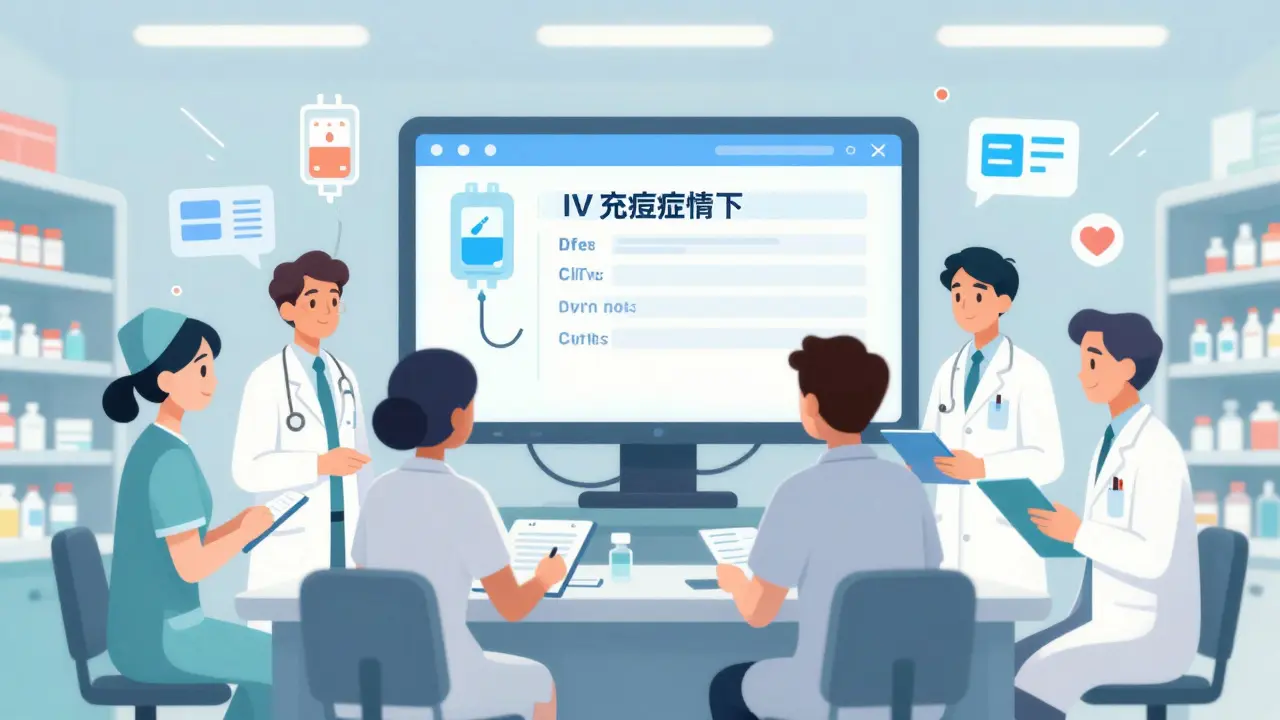
Hospital pharmacies don’t make substitutions at the counter. They don’t even wait for a prescription to be filled. Instead, they plan replacements before the drug is ever ordered. This is called therapeutic interchange. It’s not a pharmacist’s solo decision. It’s a committee decision. Every hospital with a pharmacy department has a Pharmacy and Therapeutics (P&T) committee-doctors, pharmacists, nurses, and sometimes administrators-who review which drugs belong on the formulary. If a new generic comes out that’s cheaper and just as effective, they vote to swap it in. Then they update all the electronic systems, train the medical staff, and send out alerts. A 2022 ASHP survey found that 89.7% of acute care hospitals have formal therapeutic interchange protocols covering 15 to 200 drug classes. These aren’t just for pills. Nearly 70% of hospital substitutions involve IV medications, biologics, or compounded drugs-things you’d never see swapped at CVS. And when a substitution happens, the prescribing physician must be notified within 24 hours. That’s not a suggestion-it’s a Joint Commission requirement. The goal here isn’t just cost savings. It’s clinical optimization. Hospital pharmacists look at things like antimicrobial stewardship-replacing broad-spectrum antibiotics with targeted ones to reduce C. difficile infections. One hospital in Ohio cut C. difficile rates by 30% after switching from piperacillin-tazobactam to cefepime for certain infections, according to ASHP data. Documentation is built into the EHR. Every substitution triggers a clinical alert. The nurse sees it. The doctor sees it. The pharmacist sees it. There’s no room for error. That’s why hospital pharmacists need advanced clinical training. They’re not just dispensing-they’re managing drug pathways.Key Differences Between Retail and Hospital Substitution
| Aspect | Retail Pharmacy | Hospital Pharmacy |
|---|---|---|
| Decision Maker | Pharmacist (individual) | P&T Committee (team) |
| Primary Driver | Insurance formularies, cost savings | Clinical outcomes, safety protocols |
| Typical Drug Types | Oral solids (tablets, capsules) | IV drugs, biologics, compounded meds |
| Notification Requirement | Patient (in 47 states) | Physician (required in 98.2% of hospitals) |
| Documentation | Printed record, kept 2 years | Integrated into EHR with alerts |
| Substitution Rate | 90.2% of eligible prescriptions | 28.7% of eligible medication orders |
| Training Required | State laws, insurance systems | Therapeutic protocols, EHR systems |
Why the Differences Matter
These aren’t just administrative quirks-they affect patient safety. The Institute for Safe Medication Practices found that 23.8% of medication errors during hospital-to-home transitions are linked to substitution mismatches. A patient gets discharged on a generic version of a drug they were on in the hospital, but their primary care doctor didn’t know about the change. Or worse-the hospital switched them to a different drug entirely, but the retail pharmacist didn’t have that info. That’s why 48.3% of hospitals now have formal medication reconciliation programs that track substitution history. And 37.6% of retail chains are starting to ask patients at pickup: "Were you recently in the hospital?"-to catch these gaps. Dr. Lucinda Maine of ASHP puts it plainly: "Hospital substitution is part of a care plan. Retail substitution is part of a billing system." But retail pharmacists aren’t just cashiers. Walgreens data shows their counseling prevents 1.2 million adverse drug events every year. When a patient gets confused about a new pill, a pharmacist can spot it-maybe the patient’s blood pressure spiked after switching generics, or they started having stomach pain. That’s clinical insight, not just dispensing.What’s Changing Now
The system is slowly getting smarter. The 2023 CMS Interoperability Rule, effective July 2024, will force both hospital and retail systems to share substitution records electronically. Epic and Cerner are already building modules that will show a patient’s substitution history across settings by 2025. That’s a big deal. Right now, a patient might get a generic in the hospital, then go home and get the brand again because the retail pharmacist didn’t know about the change. That kind of disconnect can cause relapses, side effects, or even hospital readmissions. The future points toward unified substitution protocols-where the same drug swap happens the same way whether you’re in the ER or at the corner drugstore. But for now, the systems remain separate, each serving a different purpose.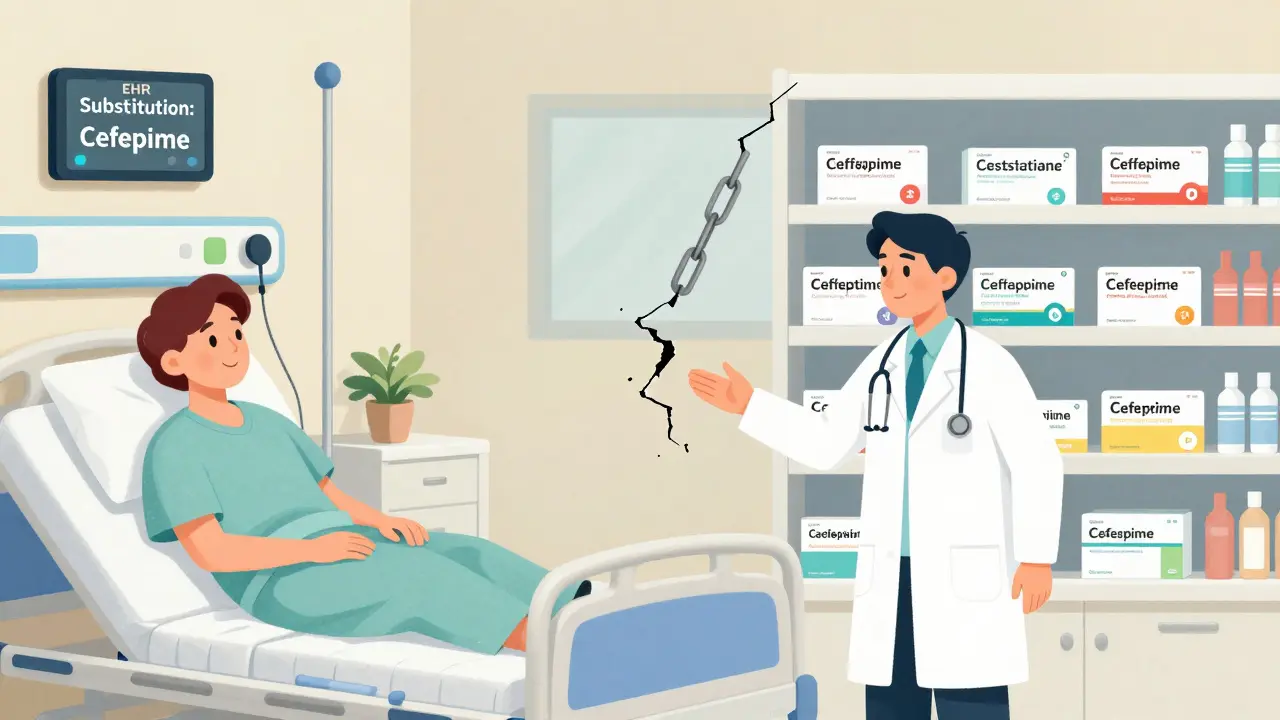

Janette Martens
so like... if i get my blood pressure med switched at the corner pharmacy and my doc doesnt know? that's fine? i mean, its CANADA not USA so we dont even have the same drugs half the time lmao. why are we even talking about this like its a big deal? i got my insulin switched and my sugar went nuts. no one cared. #canadianhealthcare
Marie-Pierre Gonzalez
Thank you for this meticulously researched and profoundly important piece. 🙏 The distinction between retail substitution and hospital therapeutic interchange is not merely operational-it is a reflection of our societal values in healthcare. I am deeply moved by the emphasis on clinical outcomes over cost. Let us never lose sight of the human element behind every prescription. 🌿
Louis Paré
90% substitution rate in retail? That’s not efficiency-that’s corporate exploitation wrapped in FDA-approved packaging. Meanwhile hospitals are doing ‘clinical optimization’ like they’re running a TED Talk. Newsflash: generics aren’t always bioequivalent. Ever heard of the phenytoin fiasco? No? Of course not. Because nobody in pharma wants you to know.
Julius Hader
I’ve been a pharmacist for 22 years. I’ve seen patients cry because they thought their generic was fake. I’ve called doctors at 11pm to get prior auth. This isn’t about money. It’s about trust. And if you think hospitals are doing it right, you haven’t seen the EHR alerts that get ignored. We’re all just trying to keep people alive.
Vu L
lol so hospital pharmacists are like wizards with their committees and EHR alerts? Meanwhile retail pharmacists are just low-wage cashiers who get yelled at for not having the generic in stock. Newsflash: the hospital one’s just as profit-driven, they just hide it behind ‘clinical outcomes’ jargon.
oluwarotimi w alaka
this is all a lie. the big pharma companies own the p&t committees. they own the insurance. they own the ehr systems. why do you think the same companies make both brand and generic? its all one big scam. they want you confused so you dont ask questions. and now they want to link the systems? so they can track you better. #bigpharmacontrol
Debra Cagwin
This is such an important conversation. I’m so proud of the work retail pharmacists do-especially the ones who take the time to explain, to listen, to calm fears. And hospital teams? They’re quietly saving lives with antimicrobial stewardship. Both roles are essential. We need more bridges between these worlds, not more walls. Keep talking, keep sharing, keep caring.
Ryan Touhill
Ah yes, the sacred dichotomy: retail = capitalism, hospital = enlightenment. How quaint. You’re romanticizing institutional bureaucracy while vilifying the market. The truth? Both systems are flawed. One is driven by profit, the other by bureaucratic inertia. Neither is morally superior-just differently optimized for control. The patient? Merely a variable in the algorithm.
Teresa Marzo Lostalé
i just think about how wild it is that the same pill can be a hero in one place and a villain in another. one pharmacist says 'it's the same!' another says 'this could kill you.' and we just... move on. maybe we need a pill passport? like a passport for your meds? 🌍💊
ANA MARIE VALENZUELA
90% substitution? That’s a disaster waiting to happen. I’ve seen patients on 10 different meds get switched to generics and end up in the ER. And you think the hospital system is better? Please. Their P&T committees are filled with pharma reps in disguise. You’re not safer-you’re just more regulated.
Bradly Draper
i just want to say thank you to the pharmacists. i had a bad reaction once and my pharmacist stayed late to figure out what was wrong. she didn’t have to. but she did. people don’t talk enough about how much these folks do.
Nicole Beasley
i love how the hospital one has alerts and stuff 🤖 but the retail one has heart ❤️. like... someone actually talks to you. not a robot. not a form. just a person saying 'hey, i know this looks weird but trust me.' that’s magic.
sonam gupta
in india we dont even have generics properly. sometimes the same brand changes color every month. no one cares. no one tracks. no one records. your system is too complicated. we just take what they give us and hope