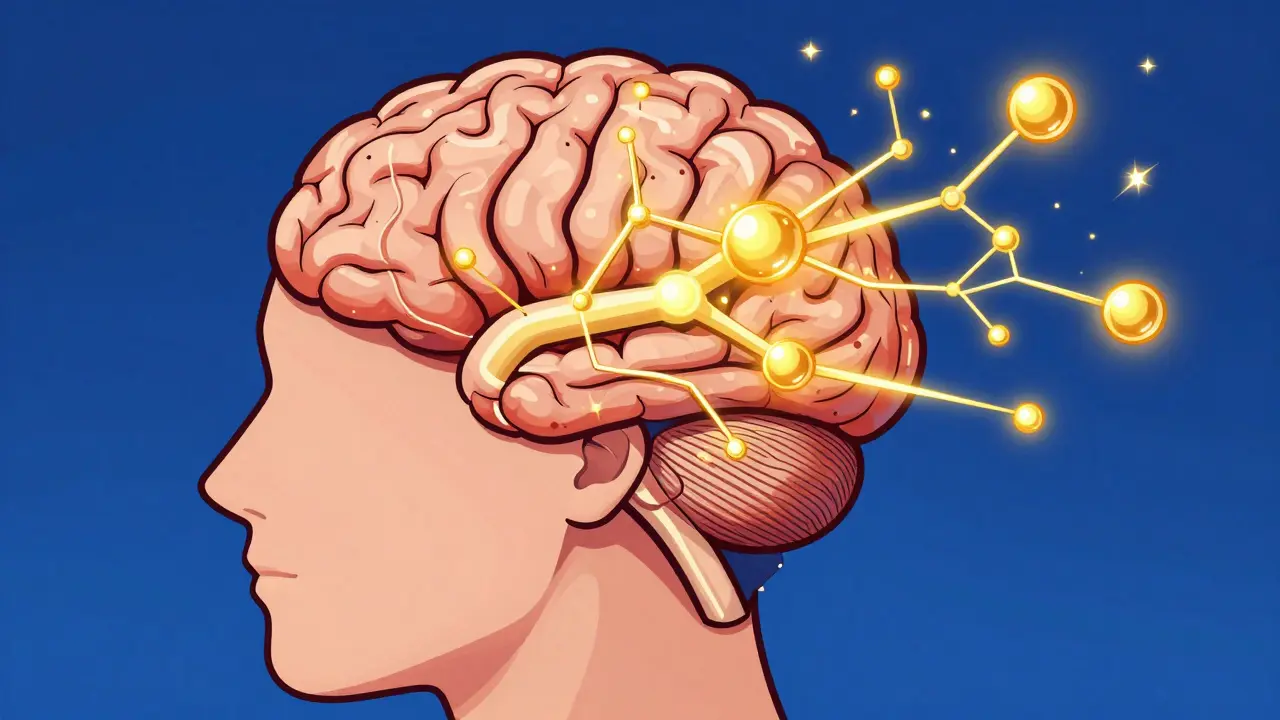
Imagine taking a medication to help with anxiety, only to suddenly feel like your heart is racing, your muscles are twitching uncontrollably, and your brain is foggy. This isn't just a bad reaction; it could be a medical emergency. Serotonin Syndrome is a potentially life-threatening drug reaction caused by excessive serotonergic activity in the central nervous system. It usually happens when SSRIs (Selective Serotonin Reuptake Inhibitors) are taken alone in high doses or mixed with other drugs that boost serotonin levels. If you or a loved one are using these medications, knowing how to spot the warning signs early can literally be the difference between a quick recovery and an ICU stay.
What Exactly Happens During Serotonin Toxicity?
To understand this condition, you have to look at how Serotonin works. It's a chemical messenger that regulates mood, sleep, and digestion. When you take an SSRI, the goal is to keep more serotonin available in your brain. However, if the levels get too high, they overstimulate specific receptors-specifically the 5-HT1A and 5-HT2A receptors. This overstimulation throws the body into a state of chaos.
The timing is often incredibly fast. Data shows that about 67% of people show symptoms within just 6 hours of starting a new medication, changing a dose, or accidentally taking too much. For the vast majority-around 75%-the reaction happens within a full day. This isn't a slow-build side effect; it's a rapid-onset toxicity that demands immediate attention.
Spotting the Signs: The Diagnostic Triad
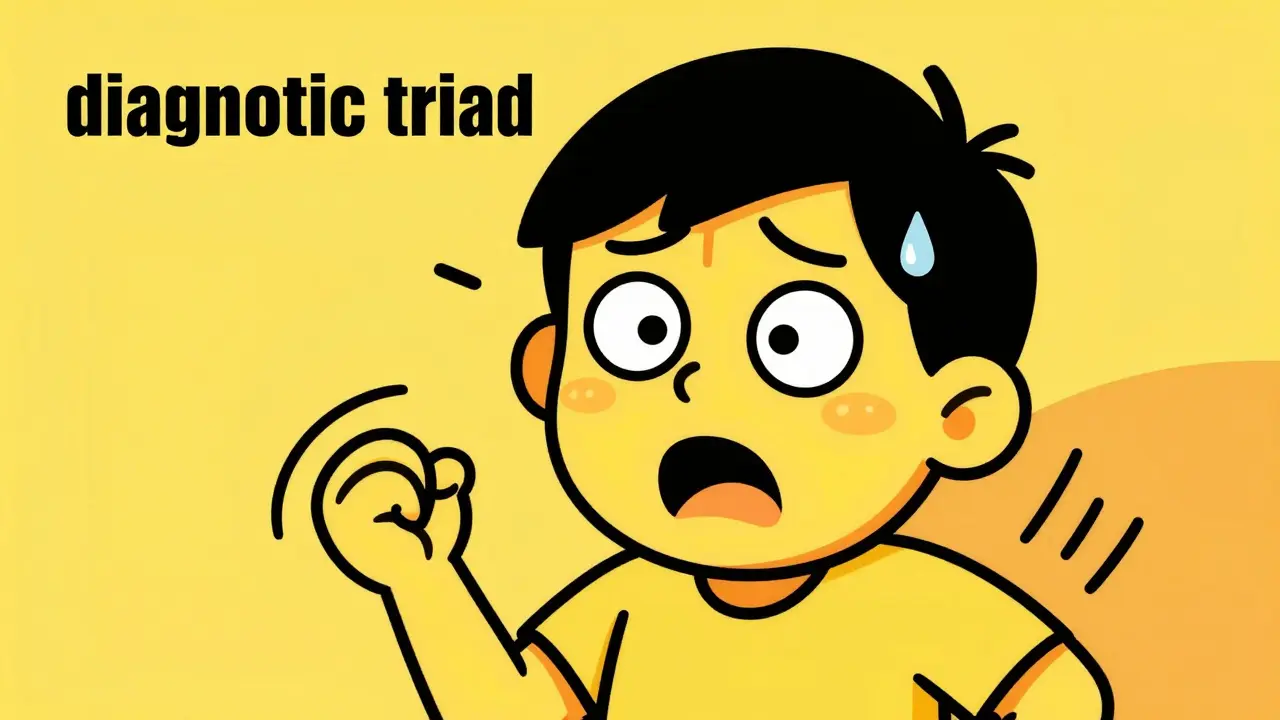
Doctors don't just guess if you have serotonin syndrome; they look for a specific "triad" of symptoms. If you see patterns in all three of these categories, it's a major red flag.
1. Brain and Mood Changes
The first signs are often mental. You might feel an intense sense of agitation or confusion. In more severe cases, this can escalate to delirium or even hallucinations. It's common for people to be misdiagnosed with a panic attack or an anxiety spike during this phase, but the physical symptoms that follow usually tell a different story.
2. Neuromuscular Chaos
This is where the condition becomes physically obvious. One of the most telling signs is clonus-which is basically involuntary muscle contractions. This can be a rhythmic shaking of the limbs or even "ocular clonus," where the eyes move rapidly and uncontrollably. Other signs include hyperreflexia (overresponsive reflexes), muscle rigidity, and tremors.
3. Autonomic Overdrive
Your internal systems start running wild. You might experience heavy sweating (diaphoresis), a racing heart (tachycardia), and fluctuating blood pressure. As it gets worse, you might develop a high fever and diarrhea. This is the body's way of reacting to a system-wide overload of serotonin.
| Severity | Temperature | Key Symptoms | Risk Level |
|---|---|---|---|
| Mild | Below 38.5°C (101.3°F) | Mild tremor, sweating, anxiety | Low (with prompt treatment) |
| Moderate | 38.5°C - 41.1°C | Hyperreflexia, clonus, fever, confusion | High (requires hospitalization) |
| Severe | Above 41.1°C (106°F) | Severe rigidity, multi-organ failure, delirium | Critical (Life-threatening) |
Dangerous Drug Combinations to Avoid
While taking a single SSRI can cause this in overdose situations, the real danger lies in "stacking" medications. Some combinations are far riskier than others. For instance, mixing SSRIs with MAOIs (Monoamine Oxidase Inhibitors) carries a massive relative risk of 12.4. That's a huge jump in danger.
Other common culprits include mixing antidepressants with Tramadol (a pain medication) or Triptans (used for migraines). Even some over-the-counter supplements or cough medicines containing dextromethorphan can contribute to the overload. If you're on an antidepressant, always double-check any new medication with a pharmacist.
Emergency Response: What Happens in the ER?
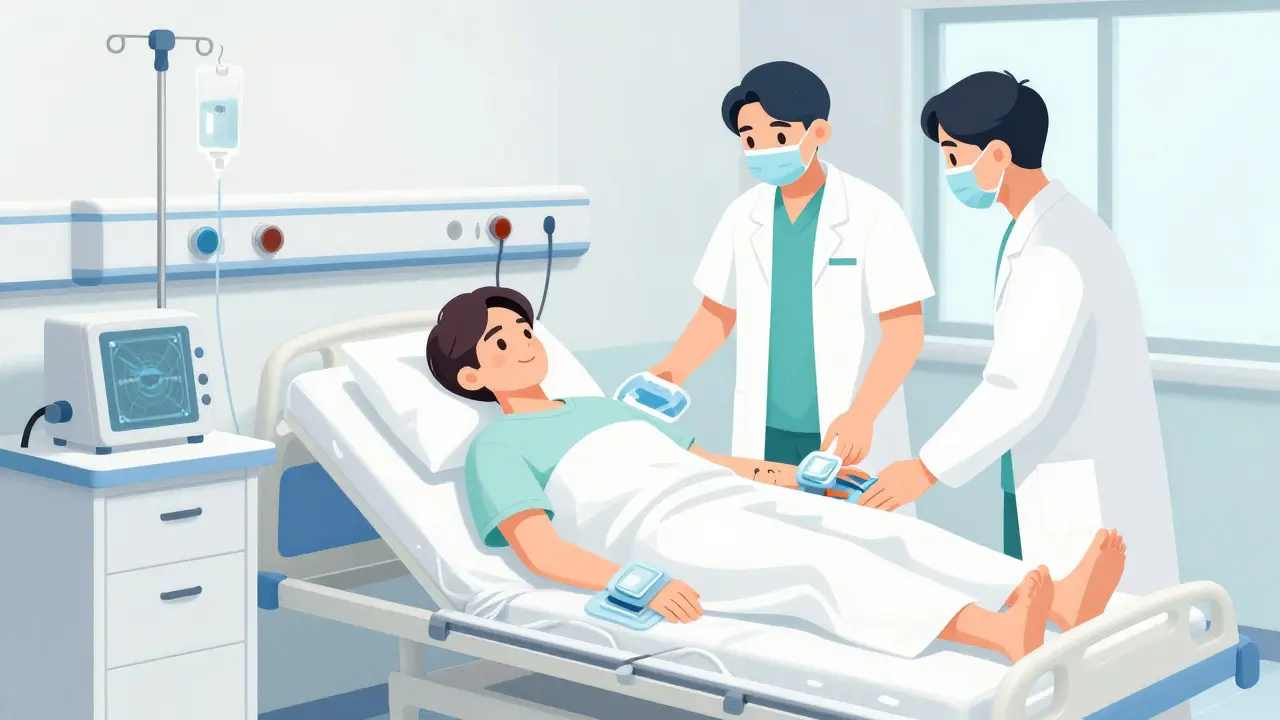
If you get to the hospital, the medical team's primary goal is to stop the serotonin flood and cool the body down. The gold standard for diagnosis is the Hunter Serotonin Toxicity Criteria, which helps doctors distinguish this from other similar-looking conditions like Neuroleptic Malignant Syndrome.
Depending on the severity, the response changes:
- For Mild Cases: The first step is stopping all serotonergic drugs immediately. Doctors will provide IV fluids (normal saline) and use Benzodiazepines like diazepam or lorazepam to calm the nervous system and relax the muscles.
- For Moderate Cases: In addition to the mild-case protocol, doctors will use active cooling measures like fans and misting. They may also use non-serotonergic antiemetics to treat nausea.
- For Severe Cases: This is a critical care scenario. Patients often need rapid sequence intubation for airway management. Aggressive external cooling-like ice packs on major blood vessels-is vital. In extreme cases, doctors may use a drug called Cyproheptadine, which specifically blocks serotonin receptors.
One critical thing to know: do not use fever-reducers like acetaminophen (Tylenol) or ibuprofen. Why? Because the fever in serotonin syndrome isn't caused by a typical "set-point" change in the brain; it's caused by the muscles working too hard. These pills won't work and won't help the underlying problem.
Pro Tips for Recovery and Prevention
If you've survived a bout of serotonin syndrome, the road back depends on which drug you were taking. For most, symptoms resolve within 24 to 72 hours after the drug is stopped. However, if you were taking Fluoxetine (Prozac), be patient. Because it has a very long half-life, it can take several weeks for the drug to fully leave your system and for your symptoms to completely vanish.
To keep yourself safe, keep a detailed list of all your medications-including vitamins and herbal supplements-and share it with every doctor you visit. Be wary of "natural" mood boosters like St. John's Wort, which can also increase serotonin and trigger a reaction when mixed with prescriptions.
How can I tell the difference between a panic attack and serotonin syndrome?
While both can cause a racing heart and anxiety, serotonin syndrome includes physical "neuromuscular" signs that panic attacks don't, such as muscle rigidity, shivering, and clonus (involuntary muscle jerking). A fever is also a major indicator of toxicity rather than a psychological attack.
Is serotonin syndrome always fatal?
No. In fact, the vast majority of mild-to-moderate cases resolve fully within a few days once the medication is stopped. However, severe cases that involve organ failure and extreme hyperthermia have a mortality rate between 2% and 12%, emphasizing the need for immediate ER treatment.
Why are benzodiazepines used as the first line of treatment?
Benzodiazepines are preferred because they don't affect serotonin levels themselves. Instead, they sedate the patient, relax the muscles to stop the heat-generating contractions, and prevent seizures, which are the most dangerous complications of the syndrome.
Can this happen if I take my medication exactly as prescribed?
It is rare if you are taking a single medication as directed. However, it can happen if you start a second medication that also affects serotonin without your doctor's knowledge, or if you have a metabolic issue that causes the drug to build up in your system.
What should I do if I suspect I have serotonin syndrome right now?
Stop taking the suspected medication immediately and go to the nearest emergency room. Do not wait to see if the symptoms "pass," as the condition can escalate from mild to severe in as little as 4 to 6 hours.

Del Bourne
The mention of St. John's Wort is so important here. A lot of people assume that because something is "natural," it can't interact with prescription meds, but that's a dangerous misconception. Always run your supplements by a pharmacist before starting them, especially if you're on an SSRI.
Srikanth Makineni
deadly combo if you aren't careful
Christopher Cooper
It's really fascinating how the neuromuscular signs are the key differentiator. I wonder if there are specific breathing exercises or cooling techniques that can help manage the early anxiety phase before it escalates, though obviously, the ER is the only safe bet for actual toxicity.
Timothy Burroughs
typical modern medicine mess up just keep your body clean and you wont have to worry about these synthetic chemicals ruining your brain honestly people just dont take care of themselves and then act surprised when their heart starts racing lol
Rauf Ronald
Spot on with the Cyproheptadine mention! For those who don't know, it's basically a serotonin antagonist. In the most critical cases, it's the heavy hitter that can actually reverse the process. If you're a caregiver, just knowing that this drug exists can help you advocate for the patient in a chaotic ER setting. Keep pushing for the best care and stay vigilant about those drug interactions!
Dhriti Chhabra
I believe it is of the utmost importance that patients maintain a transparent dialogue with their healthcare providers regarding all pharmacological interventions to ensure such adverse reactions are avoided.
Vivek Hattangadi
Totally agree with the focus on the pharmacist! Those guys are the unsung heroes of medication safety. I always tell my friends to keep a digital list of their meds on their phone so they can just show it to the pharmacist whenever they're picking up something new. It's a simple habit that can literally save your life.
shelley wales
It's so scary to think how quickly this can escalate. For anyone feeling overwhelmed by their medication side effects, please know you're not alone and there are ways to transition safely under medical supervision. Be gentle with yourselves during recovery, especially those on Prozac who have to wait longer for the drug to clear. You'll get through it.
Rupert McKelvie
This guide is a brilliant resource. It's great to see a clear breakdown of the severity levels. It really puts things into perspective and makes the recovery process seem much more manageable when you know what to expect. Everything will work out for those who get the help they need quickly.