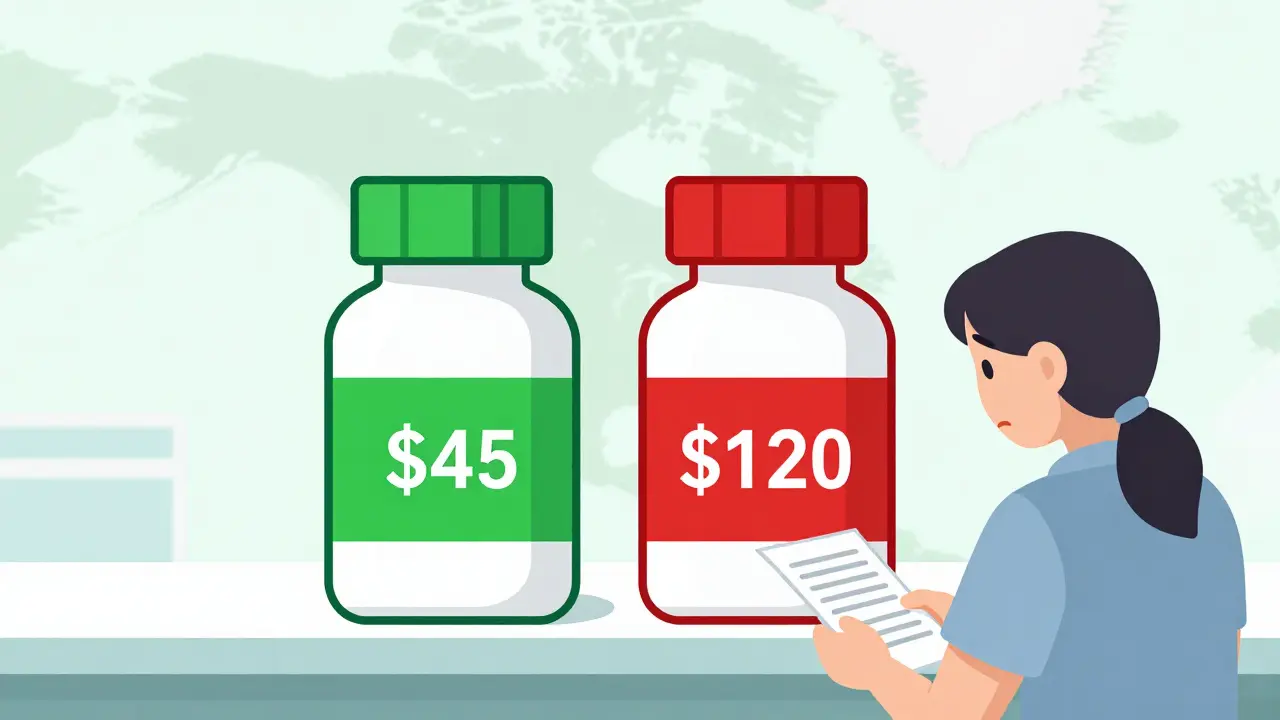
You pick up a bottle of generic atorvastatin at your local pharmacy. The label says the same thing as the one your neighbor bought across the state line. But when you look at the receipt, the numbers don't match. You paid $45. Your neighbor paid $120 for the exact same medication, from the same manufacturer, with the same insurance coverage on paper. It feels like a glitch in the system, but it isn’t. This is the reality of state variation in generic drug prices, a complex web where geography dictates cost more than the medicine itself.
If you think generic drugs are cheap because they lack brand-name marketing, you’re only half right. While generics do save money compared to brands, the price you actually pay varies wildly depending on which state you live in. Some states have built-in safeguards that keep costs down. Others leave consumers exposed to opaque pricing structures that can inflate bills by hundreds of percent. Understanding why this happens is the first step to fighting back against overpaying.
The Invisible Hand of Pharmacy Benefit Managers
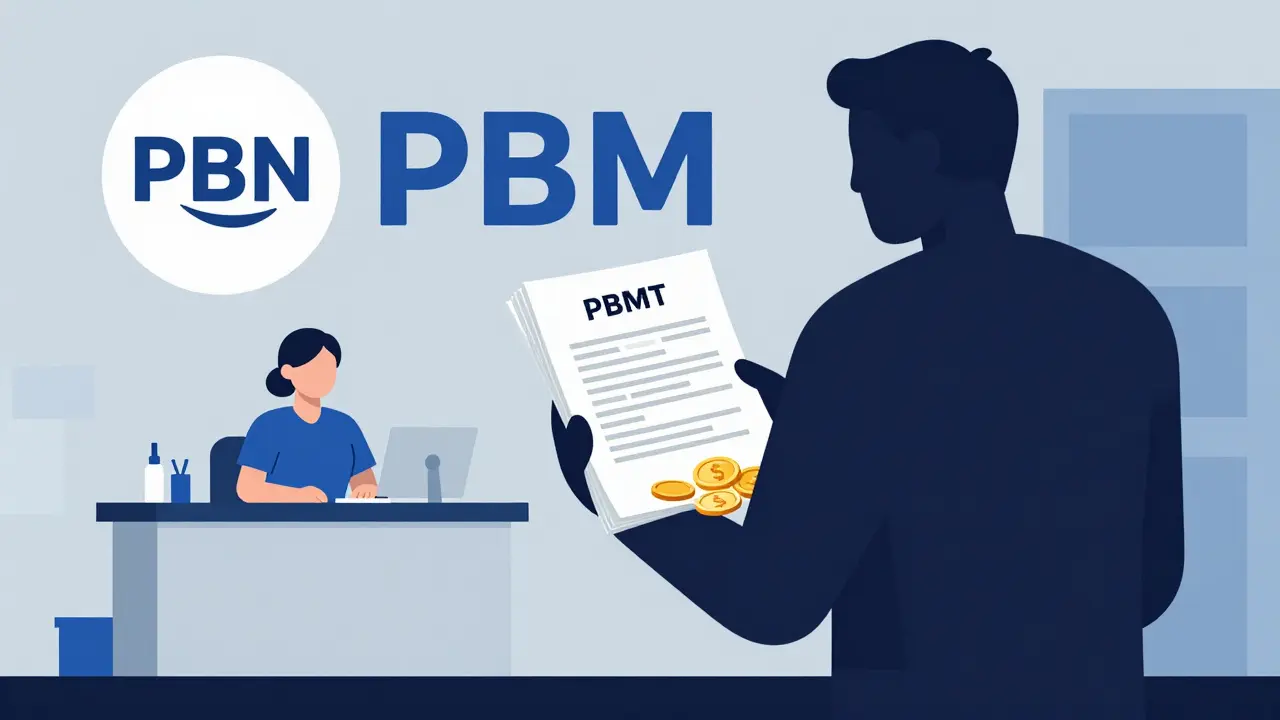
To understand why prices differ, we have to look behind the counter at Pharmacy Benefit Managers (PBMs), intermediaries that negotiate drug prices between insurers and pharmacies. PBMs are not just middlemen; they are gatekeepers. They decide which drugs get covered, how much the pharmacy gets reimbursed, and what you pay out of pocket. The problem? Their contracts are secret.
Research from the USC Schaeffer Center shows that U.S. consumers often overpay for generics by 13% to 20% because PBMs use opaque pricing practices to maximize profits. These practices aren't uniform. A PBM might have a favorable deal with a pharmacy chain in Texas but a restrictive contract in California. In some states, PBMs charge pharmacies steep "dispensing fees" or impose "clawbacks," where the pharmacy has to give money back if they sell too many low-cost generics. These hidden fees vary by state regulation and market competition, directly impacting the final price on your receipt.
Consider the case of Mark Cuban’s Cost Plus Drug Company. By cutting out the PBM entirely and selling generics at cost plus a small markup, they revealed how inflated traditional prices really are. In states where PBMs hold significant power and face little regulatory scrutiny, the gap between the cash price and the insured copay can be massive. This is why you might see friends paying cash for their meds-it’s sometimes cheaper than using insurance because the insurance network has negotiated a terrible rate for that specific drug in that specific location.
State Laws and Transparency Battles
States are trying to fix this mess, but the legal landscape is tricky. Vermont was the pioneer, passing the first drug transparency legislation in June 2016. California followed suit in 2017. These laws force manufacturers and PBMs to reveal how much they charge, aiming to expose unjustified price hikes. The result? Patients in states with strong transparency laws, like California, tend to pay 8-12% less for generic medications than those in states with weaker regulations.
However, direct price control is harder to achieve. Maryland tried to crack down on generic drug price-gouging in 2017, but a federal appeals court ruled the law unconstitutional in April 2018. The court said states cannot interfere with interstate commerce, effectively blocking states from setting hard caps on generic prices. Nevada attempted to target diabetes drug prices, but that effort fizzled out amid legal threats from manufacturers citing trade secrets.
This legal deadlock means states can’t simply ban high prices. Instead, they rely on transparency and competition. As of 2023, 18 states had implemented drug affordability boards to review and recommend price limits. While these boards don't have the power to enforce bans, their public reports create pressure on manufacturers to keep prices reasonable. If you live in a state with an active affordability board, you likely benefit from this indirect leverage.
Medicaid Reimbursement Formulas
Another major driver of state-level price differences is how government programs like Medicaid, a joint federal and state healthcare program for low-income individuals reimburse pharmacies. Each state uses different formulas to determine what they will pay a pharmacy for a generic drug. Some states use the National Average Drug Acquisition Cost (NADAC), which updates monthly based on a three-month moving average. Others use different benchmarks.
When Medicaid pays less, private insurers often follow suit, dragging down the overall market rate in that state. Conversely, if a state has higher reimbursement rates, pharmacies may pass some of that stability on to patients, or at least avoid raising prices to cover losses. The CMS updated its Medicaid drug rebate calculations in 2023, creating new variations in generic reimbursement rates across the country. This means the baseline cost of a drug shifts depending on the political decisions made in your state capital.
Market Competition and Rural Disparities
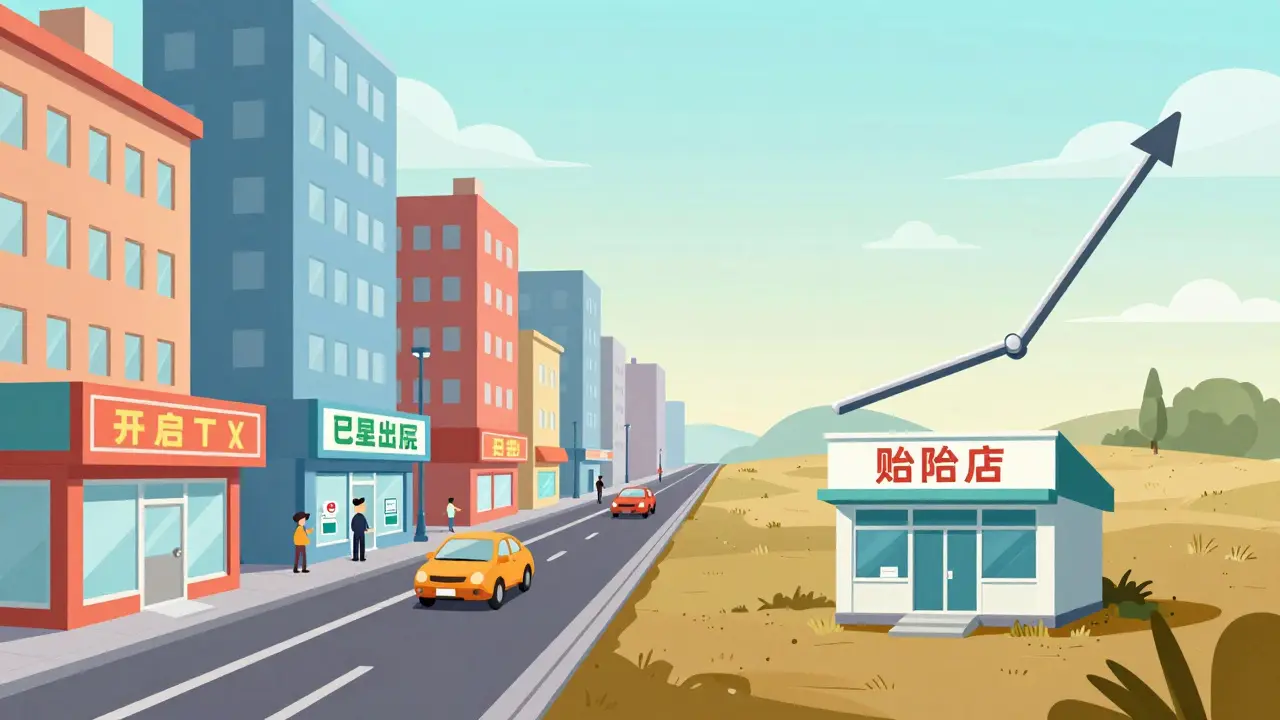
It’s not just about laws; it’s about who else is playing the game. In densely populated urban areas, multiple pharmacies compete for customers. This competition forces them to keep prices competitive. In rural areas, however, there might be only one pharmacy for miles. GoodRx data from 2022 showed price variations of up to 300% for the same generic drug between neighboring states, with rural areas typically experiencing higher prices due to reduced pharmacy competition.
Think of it like any other market. If you’re the only gas station in town, you can charge more. If there are five stations on every corner, you have to lower prices to attract drivers. The same logic applies to generic drugs. States with higher pharmacy density per capita generally see lower out-of-pocket costs for consumers because pharmacies cannot afford to lose business to a competitor down the street.
How to Navigate Price Differences
So, what can you do if you feel like you’re being charged too much? First, stop assuming your insurance copay is the best price. With 97% of cash-paid prescriptions in 2020 being generics, the trend is clear: cash is often king. Services like GoodRx allow you to compare cash prices instantly. Many users report saving 30-70% by bypassing their insurance for generic medications.
Second, check if your state has transparency laws. If you live in California, Vermont, or other states with robust reporting requirements, you can access data on drug pricing trends. Use this information to advocate for better rates with your insurer or switch to a plan that negotiates better PBM contracts.
Third, consider mail-order pharmacies or large chains that operate across state lines. Sometimes, ordering from a warehouse in a state with lower overhead or better bulk purchasing power can yield savings, even after shipping costs. However, always verify that the pharmacy is licensed and accredited.
| Factor | Impact on Price | Example/Detail |
|---|---|---|
| PBM Contracts | High Variability | Secret rebates and fees cause 13-20% overpayment in some markets. |
| Transparency Laws | Lowers Cost | California residents pay 8-12% less due to disclosure requirements. |
| Medicaid Reimbursement | Moderate Impact | NADAC vs. state-specific benchmarks affect baseline pharmacy revenue. |
| Pharmacy Competition | High Impact in Rural Areas | Rural areas see up to 300% higher prices due to lack of competitors. |
| Cash Payment Options | Significant Savings | Cash payments via GoodRx can save 30-70% compared to insurance copays. |
Future Outlook: Federal vs. State Power
The landscape is shifting. The Inflation Reduction Act of 2022 introduced Medicare Part D reforms, including a $35 monthly cap on insulin and a $2,000 annual out-of-pocket cap effective 2025. While these measures help Medicare beneficiaries, they don't solve the underlying state-level disparities for everyone else. CMS actuaries project these provisions will reduce out-of-pocket spending by 18.5% by 2030, but the impact will vary by state based on enrollment rates.
Experts warn that removing inefficiencies in generic markets won't hurt innovation because the savings come from downstream middlemen like PBMs, not drug developers. This suggests that state-level efforts targeting PBM practices could accelerate in the coming years. We may see more states adopting affordability boards and transparency mandates, narrowing the gap between high-cost and low-cost regions. Until then, staying informed and shopping around remains your best defense against geographic price gouging.
Why do generic drug prices vary so much between states?
Prices vary due to differences in Pharmacy Benefit Manager (PBM) contracts, state Medicaid reimbursement formulas, levels of pharmacy competition, and the presence of state-specific transparency laws. For example, states with strong transparency laws like California often see lower prices than states with weaker regulations.
Is it cheaper to pay cash for generic drugs instead of using insurance?
Often, yes. Research shows that insured consumers can overpay by 13-20% due to opaque PBM pricing. Using discount services like GoodRx to pay cash can save 30-70% on generic medications compared to standard insurance copays, especially in states with less regulated PBM practices.
Can states legally cap the price of generic drugs?
Direct price caps are difficult to enforce. A 2018 federal appeals court ruling struck down Maryland's generic drug price-gouging law as unconstitutional, citing interference with interstate commerce. However, states can implement transparency laws and affordability boards to indirectly influence prices through market pressure.
How does Medicaid reimbursement affect generic drug prices?
Medicaid sets a baseline reimbursement rate for pharmacies. Different states use different formulas, such as the National Average Drug Acquisition Cost (NADAC). When Medicaid pays less, private insurers may follow suit, lowering the overall market rate. Conversely, higher reimbursement rates can stabilize pharmacy revenues and potentially lower patient costs.
Do rural areas have higher generic drug prices?
Yes, rural areas typically experience higher prices due to reduced pharmacy competition. Data shows price variations of up to 300% for the same generic drug between neighboring states, with rural locations often facing fewer competitors, allowing pharmacies to charge higher rates without losing customers.
