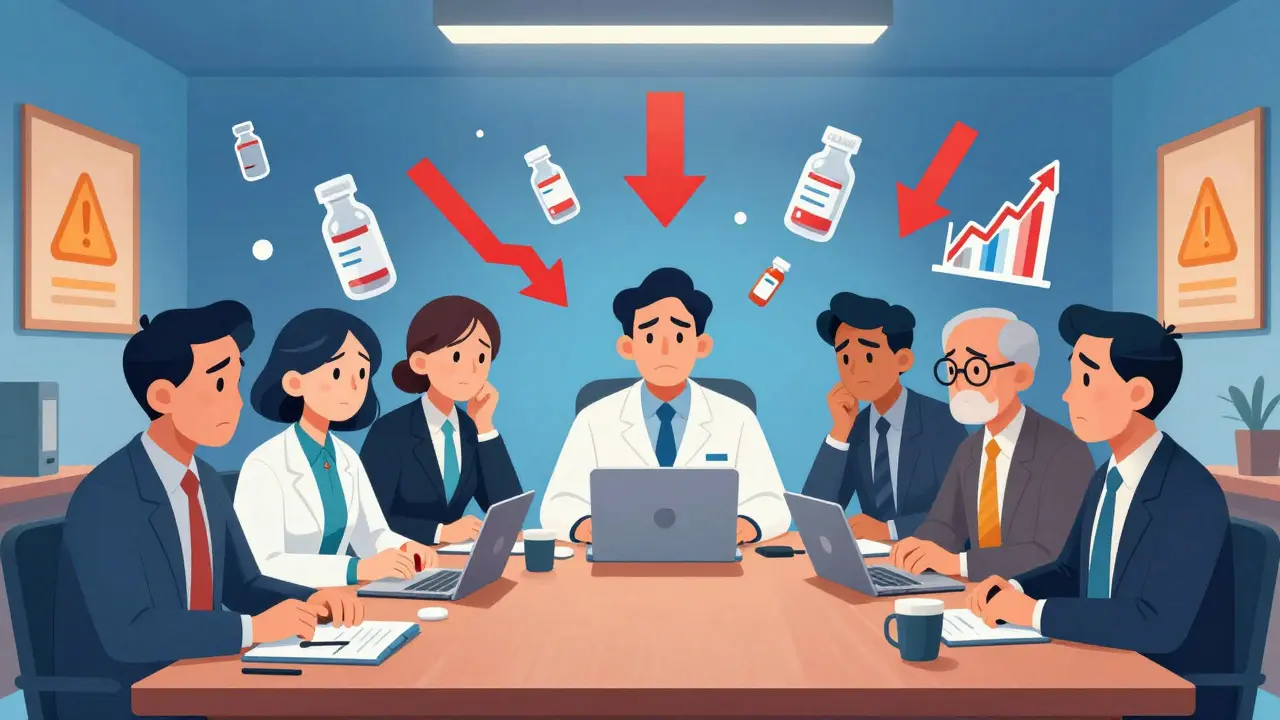
Shelves are empty. That is the visible symptom, but the real crisis is happening in boardrooms and accounting departments across the pharmaceutical industry. You might think drug shortages are just a logistics problem-a truck missed a turn or a factory had a power outage. But the deeper issue is a brutal financial squeeze. Manufacturers are trapped between rising production costs and strict limits on how much they can charge for life-saving medications. This manufacturer financial strain is not a temporary glitch; it is a structural failure that threatens the stability of the entire healthcare supply chain.
The Perfect Storm: Why Costs Are Skyrocketing
To understand why drugs are disappearing from pharmacies, you have to look at what goes into making them. It is not just mixing chemicals in a beaker. It involves complex global supply chains, stringent regulatory compliance, and volatile raw material markets. In recent years, these inputs have become incredibly expensive and unpredictable.
Consider the active pharmaceutical ingredients (APIs). Many of these come from overseas, particularly from regions with unstable political climates or environmental challenges. When a hurricane hits a key manufacturing hub in Asia or a trade dispute erupts, the cost of these ingredients spikes overnight. According to data from the BCG Henderson Institute, manufacturers face simultaneous challenges of rising input costs and supply chain disruptions. For many generic drug makers, who operate on razor-thin margins, a 10% increase in ingredient costs can wipe out their profit entirely.
Then there is the issue of energy and labor. Pharmaceutical plants are energy-intensive. They require constant climate control, sterile environments, and 24/7 monitoring. As energy prices fluctuate globally, so do operating costs. Add to this the chronic shortage of skilled workers in the manufacturing sector, and you get a situation where labor costs rise faster than productivity. The result? A product that costs significantly more to produce today than it did five years ago, but which must still be sold at a price that insurance companies and government programs are willing to pay.
| Cost Driver | Impact on Manufacturing | Financial Consequence |
|---|---|---|
| Raw Material Volatility | Unpredictable API costs from global suppliers | Margin compression; inability to forecast budgets |
| Regulatory Compliance | Strict FDA and EMA requirements for quality | High fixed costs; barriers to entry for new competitors |
| Pricing Caps & Reimbursement | Limited ability to raise prices due to payer pushback | Revenue stagnation despite rising costs |
| Supply Chain Disruption | Delays in packaging materials and logistics | Increased inventory holding costs; stockouts |
The Pricing Trap: Stuck Between Rock and Hard Place
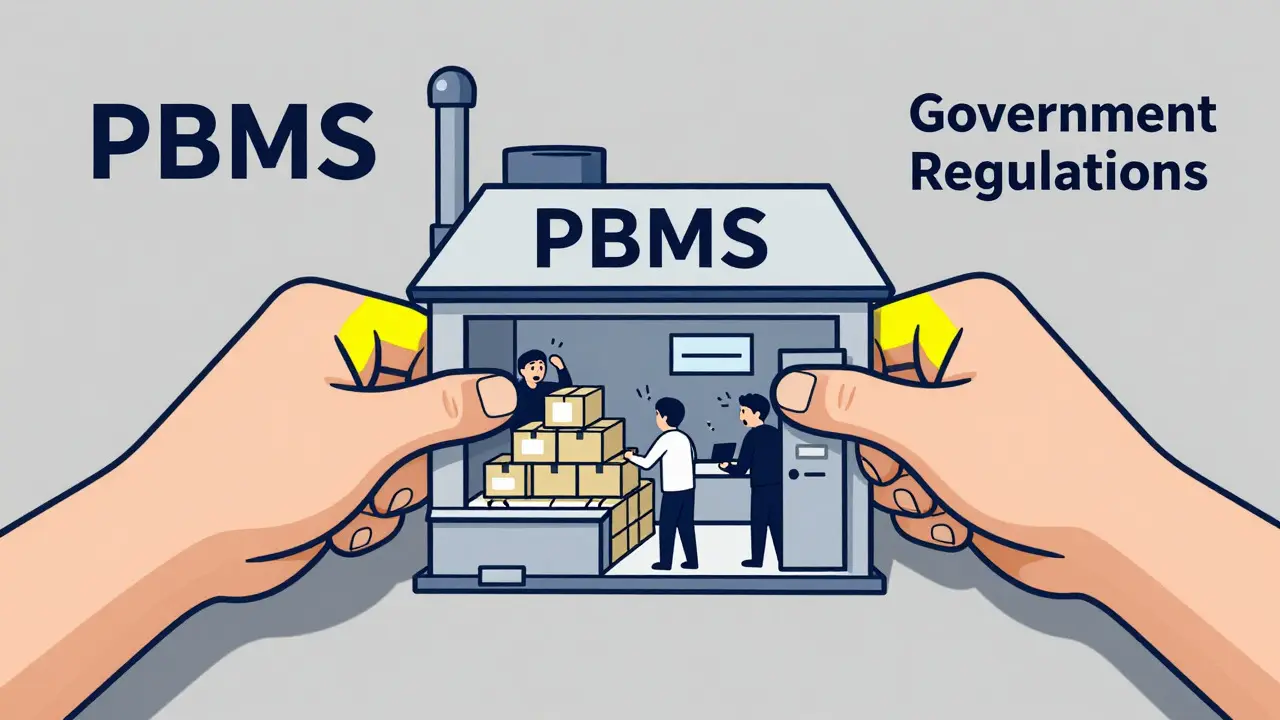
Here is the core of the problem: pricing pressure. If a manufacturer’s costs go up, the natural business response is to raise prices. Simple math, right? But in the pharmaceutical world, especially for generic drugs, this option is often off the table. Governments, hospital systems, and pharmacy benefit managers (PBMs) exert immense pressure to keep drug prices low. They argue that patients cannot afford higher costs, and they are right. However, they often fail to account for the sustainability of the supply.
When a manufacturer tries to pass on even a small portion of increased costs, they risk losing contracts. PBMs may delist the drug, preferring a slightly cheaper alternative from a competitor. This creates a race to the bottom. Companies cut corners to survive-reducing workforce, delaying maintenance, or sourcing lower-quality materials. Eventually, one of those cuts leads to a quality issue, a shutdown, or simply an inability to meet demand. The drug disappears from the market, not because no one wants it, but because no one can make it profitably.
This dynamic is particularly harsh for "low-margin" generics. These are common medications like antibiotics, blood pressure pills, and pain relievers. Because multiple companies make them, competition is fierce. Prices are driven down to the bare minimum. When inflation hits, these companies have no buffer. Unlike big-name brand drug makers who can absorb some cost increases through high-margin specialty drugs, generic manufacturers are exposed. One bad quarter can mean bankruptcy.
Shortages as a Symptom, Not Just a Cause
We tend to view drug shortages as a sudden event. A news headline announces a lack of insulin or chemotherapy drugs, and we panic. But shortages are often the final stage of a long financial decline. Before a drug runs out, there are warning signs. Suppliers delay shipments. Orders are partially filled. Quality control issues arise due to understaffed labs. By the time the public notices the shortage, the manufacturer has likely been struggling financially for months or even years.
Furthermore, shortages create a vicious cycle. When a drug becomes scarce, its price may spike temporarily due to hoarding or emergency procurement fees. This volatility makes planning impossible for other manufacturers who might want to step in and fill the gap. They see the chaos and decide it is too risky to invest in production capacity. So, instead of more competitors entering the market to solve the shortage, fewer stay. The remaining players gain monopoly power, but they are still constrained by long-term pricing agreements. The system remains fragile.
Consider the case of heparin, a critical blood thinner. Over the past decade, there have been repeated shortages. Each time, the root cause traced back to contamination issues in raw materials sourced from abroad. Fixing these issues requires massive investment in testing and alternative sourcing. But if the selling price of heparin does not cover that investment, manufacturers hesitate. They wait for a competitor to take the hit. When no one does, patients suffer.
The Role of Regulation and Policy
Government policy plays a double-edged sword role here. On one hand, regulations ensure drug safety. No one wants unsafe medications. On the other hand, the complexity and cost of compliance are enormous. The FDA’s Good Manufacturing Practices (GMP) are rigorous for good reason, but they require significant capital expenditure. Small and mid-sized manufacturers often struggle to keep up. Every audit, every new guideline, every reporting requirement adds to the administrative burden and cost.
Additionally, policies aimed at controlling healthcare spending often inadvertently hurt supply. Value-based purchasing models reward hospitals for keeping costs down. If a hospital switches to a cheaper supplier to save money, and that supplier then goes bankrupt due to thin margins, the hospital ends up with no supplier at all. Policymakers need to recognize that sustainable pricing is essential for reliable supply. A cheap drug that is unavailable is worth nothing to a patient.
Recent analyses suggest that tariffs and trade restrictions also exacerbate the problem. When import duties rise on chemical precursors, domestic manufacturers face higher costs without a corresponding ability to raise prices. This disconnect forces tough choices. Do you absorb the cost and risk insolvency? Or do you stop producing the drug and exit the market? Too many manufacturers are choosing the latter.
Breaking the Cycle: What Needs to Change
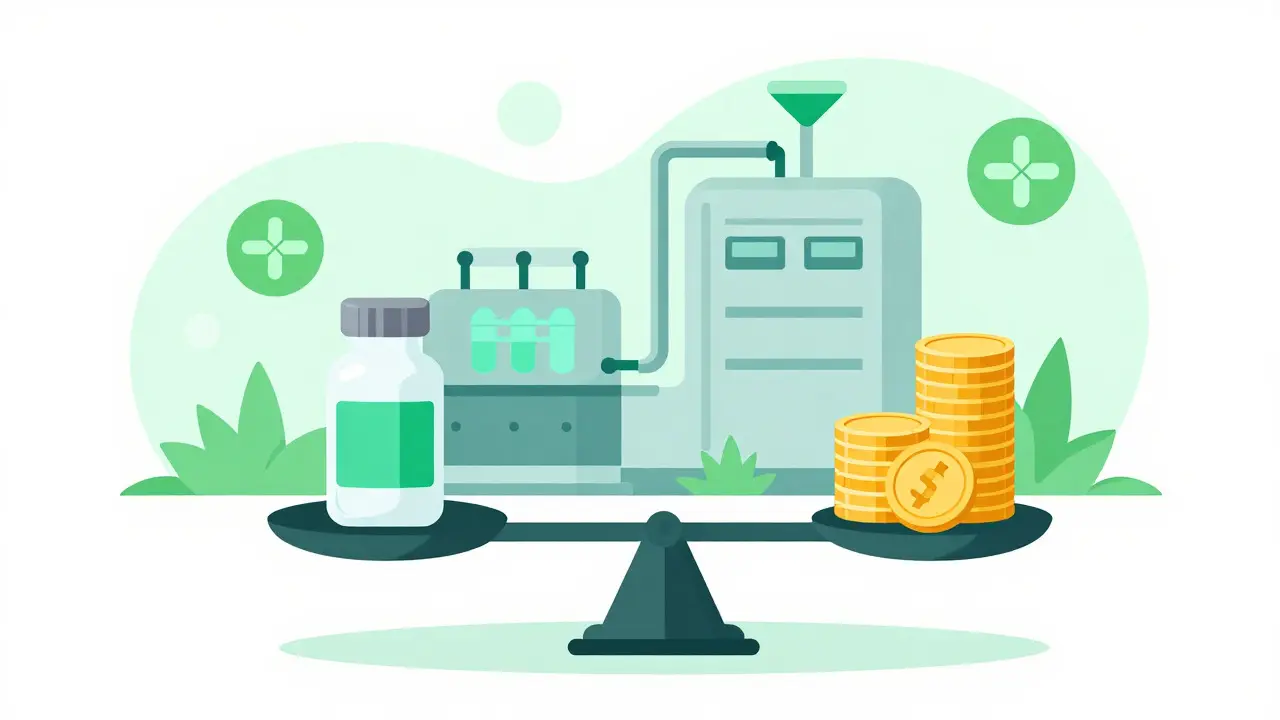
Solving this crisis requires moving beyond short-term fixes. We need a systemic approach that aligns financial incentives with supply reliability. Here are three critical shifts:
- Transparent Cost-Based Pricing Models: Instead of opaque negotiations between PBMs and manufacturers, consider models where prices are adjusted based on verified production costs plus a reasonable margin. This ensures manufacturers can survive while keeping prices fair.
- Strategic Stockpiling and Resilience Funding: Governments should invest in strategic reserves for critical drugs, similar to national defense supplies. Additionally, providing grants or tax incentives for manufacturers who diversify their supply chains can reduce dependency on single sources.
- Long-Term Contracts with Price Adjustments: Hospitals and insurers should offer multi-year contracts that include built-in mechanisms for cost adjustments. If raw material costs rise by a certain percentage, the contract price adjusts automatically. This reduces uncertainty for manufacturers.
Manufacturers also need to innovate. Investing in automation and digital supply chain tools can reduce waste and improve efficiency. Some companies are exploring localizing production of critical APIs to reduce geopolitical risk. While expensive upfront, this can provide long-term stability.
Looking Ahead: The Future of Drug Supply
The current strain is not going away anytime soon. Global economic instability, climate change impacts on agriculture (which affects botanical-derived drugs), and ongoing geopolitical tensions will continue to pressure supply chains. If we do not address the financial viability of drug manufacturing, shortages will become the norm rather than the exception.
Patients, doctors, and policymakers must start talking about drug availability as a financial issue. It is not just about science or logistics; it is about economics. Until we fix the broken incentive structure that punishes manufacturers for trying to stay afloat, the shelves will remain bare. The goal should not just be cheaper drugs, but reliable ones. And reliability costs money. We have to be willing to pay it.
Why do drug manufacturers go out of business?
Drug manufacturers often go out of business due to a combination of rising production costs (raw materials, labor, energy) and an inability to raise prices due to intense competition and payer pressure. Generic drug makers operate on very thin margins, so even small cost increases can lead to losses. If a company cannot sustain these losses, it may cease production of specific drugs or shut down entirely.
How do drug shortages affect patients?
Drug shortages force patients to switch medications, which can lead to adverse health outcomes, especially for chronic conditions like heart disease or diabetes. Patients may spend hours calling multiple pharmacies to find their medication, causing stress and delays in treatment. In severe cases, life-saving treatments like chemotherapy or insulin may be unavailable, directly threatening lives.
What is the role of PBMs in drug pricing pressure?
Pharmacy Benefit Managers (PBMs) negotiate prices between drug manufacturers and insurance plans. They often prioritize the lowest-cost options to save money for insurers. This creates pressure on manufacturers to keep prices artificially low, sometimes below sustainable levels. If a manufacturer raises prices to cover costs, PBMs may delist the drug, forcing the manufacturer to either accept lower margins or lose market share.
Can government regulation help solve drug shortages?
Yes, but regulation must be balanced. While safety regulations are crucial, overly burdensome compliance costs can drive smaller manufacturers out of business. Governments can help by providing incentives for domestic production, maintaining strategic stockpiles of critical drugs, and implementing pricing models that allow for reasonable profit margins to ensure supply chain resilience.
Why are generic drugs more prone to shortages?
Generic drugs are produced by multiple companies competing on price, leading to very low profit margins. There is often little financial incentive to maintain excess inventory or invest in robust supply chains. When costs rise, generic manufacturers have less buffer to absorb shocks compared to brand-name drug companies, making them more vulnerable to shutting down production during financial strain.
