You picked up your prescription at the pharmacy, paid a fraction of what you usually do, and felt good about saving money. Then, three days later, you noticed something was off. Maybe it’s a mild rash, maybe your blood pressure readings are erratic, or perhaps that chronic pain is creeping back in. You start wondering: Is this new generic pill actually working?
This anxiety is common. In fact, while 91% of Americans believe generic drugs are just as effective as their brand-name counterparts, nearly 28% report experiencing side effects after making the switch (JAMA Internal Medicine, 2016). It creates a frustrating gap between scientific consensus and your lived experience. The truth isn’t black and white. For most people, generics are safe and identical in effect. But for a specific subset of medications-and certain individuals-switching can trigger real, measurable issues.
Knowing exactly when to call your doctor versus when to wait it out can save you from unnecessary panic or, worse, untreated health complications. Here is how to spot the warning signs and what to do next.
Why Generics Can Feel Different
To understand why you might feel different on a generic, you have to look past the active ingredient. By law, specifically under regulations established by the Hatch-Waxman Act of 1984, a generic drug must contain the same active pharmaceutical ingredient, strength, dosage form, and route of administration as the brand-name drug. If you take metformin for diabetes, the chemical doing the work is identical whether it comes from the original manufacturer or a generic producer.
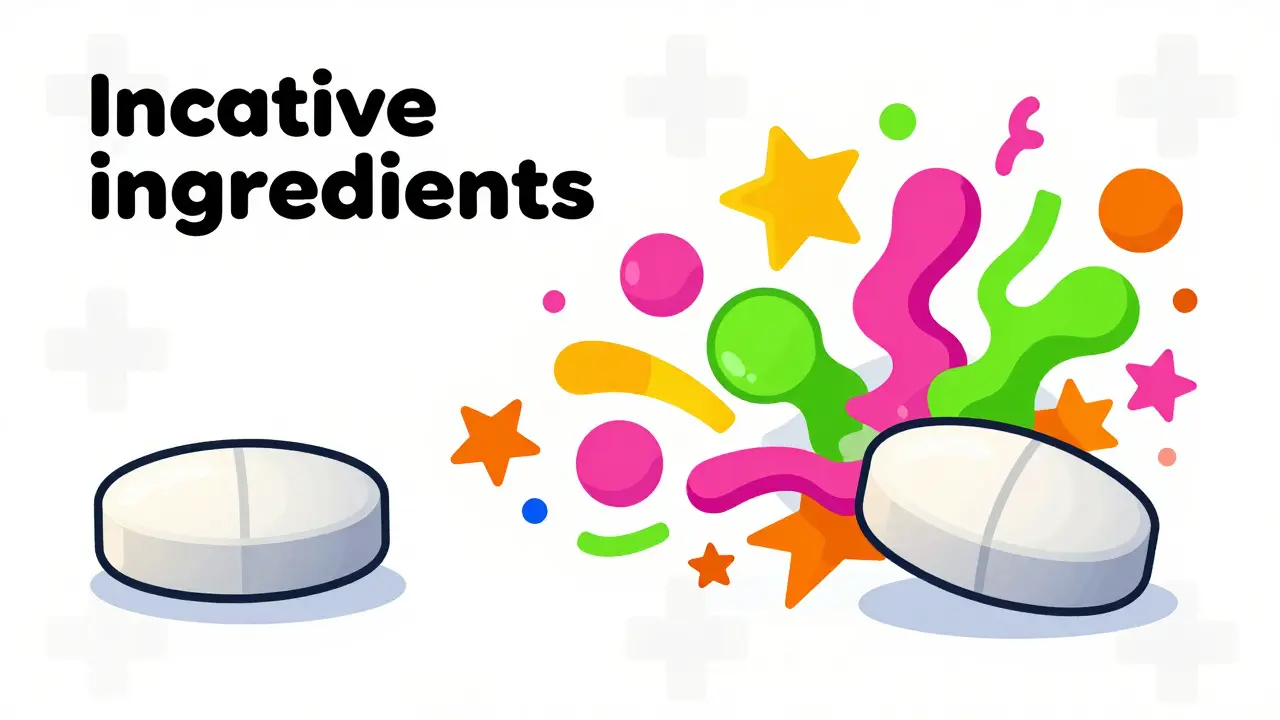
However, the FDA allows differences in inactive ingredients. These are the fillers, binders, preservatives, dyes, and coatings that hold the pill together or control how fast it dissolves. While these substances are generally inert, they are not always harmless to everyone. Some patients develop sensitivities or allergies to specific dyes (like tartrazine) or gluten-based binders used in generic formulations but not in the brand version.
There is also the issue of Bioequivalence, which is defined as the measure of the rate and extent to which the active ingredient becomes available at the site of drug action. The FDA requires generics to demonstrate bioequivalence within an 80-125% confidence interval compared to the brand name. This means the amount of drug in your bloodstream can legally vary by up to 20% higher or lower than the brand name average and still be approved. For most drugs, this variance is negligible. But for some, it matters significantly.
The High-Risk Category: Narrow Therapeutic Index Drugs
Not all medications are created equal when it comes to substitution risk. The biggest concern lies with Narrow Therapeutic Index (NTI) drugs, which are medications where small changes in blood concentration can lead to treatment failure or serious toxicity. With NTI drugs, the line between a helpful dose and a harmful one is razor-thin. A 20% variance in bioavailability, which is acceptable for standard drugs, can push an NTI drug out of its effective range.
If you are taking any of the following, you need to pay closer attention after a switch:
- Levothyroxine (Synthroid): Used for thyroid conditions. A 2017 study in Clinical Therapeutics found that 15.3% of patients stabilized on brand-name levothyroxine experienced thyroid-stimulating hormone (TSH) level fluctuations outside the therapeutic range after switching to generics.
- Warfarin (Coumadin): A blood thinner. Variations in absorption can dangerously alter your INR levels, increasing the risk of clotting or bleeding.
- Phenytoin (Dilantin) and Lamotrigine: Antiepileptic drugs. Research in Epilepsia (2018) showed that patients switching between different generic versions of lamotrigine had a 25% higher risk of seizure recurrence compared to those who stayed on the same formulation.
- Clopidogrel (Plavix): Used to prevent heart attacks and strokes. Some studies suggest variability in efficacy among different generic manufacturers.
- Valsartan: An angiotensin II receptor blocker for heart failure and hypertension. A 2020 study in Circulation noted a slightly higher hospitalization risk for heart failure patients switching from brand-name valsartan to generic.
If you are on one of these medications, do not assume the switch will be seamless. Monitor your biomarkers closely.
Warning Signs That Require Immediate Attention
Most side effects from inactive ingredients are mild, like a stomach upset that passes in a day. However, certain symptoms indicate your body is rejecting the new formulation or the drug levels are off. According to guidance from the Mayo Clinic and FDA adverse event data, you should contact your physician within 24 hours if you experience:
- Skin Reactions: Rashes, hives, or itching are reported in approximately 14.3% of adverse events related to generic switches. This often points to an allergy to a dye or filler.
- Return of Symptoms: If your migraines, seizures, anxiety, or pain return despite taking the medication consistently, the generic may not be delivering enough active ingredient to your system.
- Persistent Gastrointestinal Distress: Nausea, vomiting, or diarrhea lasting more than two days could indicate intolerance to binders or preservatives.
- Unexplained Fatigue or Dizziness: These can be signs that your blood pressure or thyroid levels are fluctuating due to inconsistent drug absorption.
| Symptom | Likely Cause | Action Required |
|---|---|---|
| Mild nausea (1-2 days) | Digestive adjustment to new fillers | Monitor; take with food |
| Skin rash or hives | Allergy to inactive ingredient (dye/binder) | Contact doctor within 24 hours |
| Return of primary condition symptoms | Bioequivalence variance (drug not absorbing properly) | Contact doctor; request lab tests |
| Throat swelling, difficulty breathing | Anaphylaxis (severe allergic reaction) | Call Emergency Services Immediately |
Monitoring Biomarkers for NTI Drugs
If you are taking a Narrow Therapeutic Index drug, "feeling fine" isn’t enough. You need hard data. The University of California San Francisco Medical Center recommends monitoring specific biomarkers after a switch:
- For Warfarin Users: Check your INR (International Normalized Ratio) frequently. The target range is typically 2-3. If your INR spikes or drops unexpectedly after a switch, your blood thinning levels are unstable.
- For Levothyroxine Users: Get your TSH (Thyroid-Stimulating Hormone) tested. The target range is usually 0.5-4.5 mIU/L. Fluctuations here explain symptoms like fatigue, weight gain, or anxiety.
- For Antiepileptic Users: Request serum drug level tests. For phenytoin, the therapeutic range is 10-20 mcg/mL. Levels below this increase seizure risk; levels above cause toxicity.
Bring this data to your doctor. If your labs are out of range, ask for a Dispense As Written (DAW) code. This instruction tells the pharmacist not to substitute the brand-name drug with a generic. Note that insurance may require prior authorization for this, so start the conversation early.
What To Do If You Have Issues
If you suspect the generic is causing problems, don’t just stop taking it. Abruptly stopping medications like antidepressants, blood pressure meds, or anticonvulsants can cause dangerous withdrawal effects or rebound conditions.
Instead, follow these steps:
- Document Everything: Write down when you started the generic, what symptoms appeared, and when they occurred. Take photos of any rashes.
- Contact Your Prescriber: Share your documentation. Ask if a trial period on the brand name is medically necessary. Doctors can justify the cost by documenting medical necessity in your chart.
- Talk to Your Pharmacist: Sometimes, one generic manufacturer’s product causes issues while another’s does not. Pharmacists can sometimes source a generic from a different supplier if multiple manufacturers exist for that drug.
- Check for Recall Alerts: While rare, generic recalls do happen. In 2023, generic drug recalls increased by 18%, primarily due to impurities or potency issues. Check the FDA website for alerts on your specific medication lot number.
The Bottom Line
Generic drugs are a cornerstone of affordable healthcare, accounting for 90% of prescriptions filled in the U.S. For the vast majority of patients, they work perfectly well. However, biology is individual. If you fall into the minority who react to inactive ingredients or suffer from bioequivalence variances in NTI drugs, your concerns are valid and scientifically supported.
Your goal isn’t to reject generics entirely, but to manage the transition intelligently. By knowing your medication type, watching for specific warning signs, and tracking your biomarkers, you ensure that cost-saving doesn’t come at the expense of your health.
How long should I wait to see if a generic medication works?
Give it at least one full dosing cycle, typically 3 to 7 days for most acute medications, or 2-4 weeks for chronic conditions like depression or high blood pressure. If you experience immediate allergic reactions like hives or swelling, seek help immediately. If symptoms return gradually, track them for a week before calling your doctor.
Can I refuse a generic and insist on the brand name?
Yes, but there are hurdles. Your doctor must write "Dispense As Written" (DAW) or "Brand Medically Necessary" on the prescription. Insurance companies often deny coverage for brand names unless you provide proof that the generic failed or caused adverse effects. Be prepared to pay the difference out-of-pocket or go through a prior authorization process.
Are all generic drugs made equally?
No. While all generics must meet FDA standards, different manufacturers use different inactive ingredients and production methods. If one generic brand causes you issues, another generic manufacturer’s version might not. Ask your pharmacist if alternative generic suppliers are available.
What is a Narrow Therapeutic Index (NTI) drug?
An NTI drug is a medication where the difference between a therapeutic dose and a toxic dose is very small. Examples include warfarin, levothyroxine, and phenytoin. Small variations in how the body absorbs these drugs can lead to serious health risks, making consistency in manufacturer crucial.
Do generic drugs expire faster than brand names?
No. Generic drugs must undergo the same stability testing as brand-name drugs to receive FDA approval. They have the same expiration dates and storage requirements. Any perceived difference in effectiveness over time is likely due to formulation changes by the manufacturer, not expiration issues.

Kimberly Simbulan
Oh, fantastic. So we’re supposed to play medical detective now? 'Did my cheap pill give me hives or is it just my soul rejecting capitalism? Thanks for the stress, doc.
kavitha kumar
i switched to generic thyroid meds last month and felt like garbage for weeks no one told me i needed blood tests every other day why is healthcare so complicated
fred morgan
The article provides a necessary clarification regarding bioequivalence variances. Patients should adhere strictly to the monitoring protocols outlined for Narrow Therapeutic Index drugs.
Sarah Boomgaard
You think you are smart because you read this but really you are just scared of dying. The system wants you weak. Take the big pill or take the small pill it does not matter they own you anyway.
Gilbert Bankual
Don't panic. Just track your symptoms. If you feel off, call your doctor. Simple as that. Stay proactive with your health.
Ashley Loera
I had such a bad reaction to my new generic birth control I thought I was going to die!! My skin broke out everywhere and I was so moody. You HAVE to watch out for these fillers people its crazy!
Mark Smalley
It’s interesting how individual biology plays such a huge role here; I’ve known people who swear by generics, while others insist on brand names-communication with your pharmacist is key, isn’t it?
jeremy pritchett
Look man, if the cheap stuff works, great. But if you feel weird, dont ignore it. Your body knows best. Get your labs checked. Dont be stubborn about your health.
Ellen Zeman
Its all about finding balance in our lives and our bodies. Sometimes the generic is fine, sometimes it isnt. Listen to yourself and be kind to your journey through healthcare.
Alana Frassinelli
so basically what im saying is that you cant just assume everything is fine because the price went down and you gotta keep an eye on how you feel because if you start getting rashes or your heart rate goes up or whatever then you need to go see someone right away instead of waiting around hoping it gets better on its own which it probably wont
Gavin Edley
Oh please, another scare tactic from Big Pharma's lackeys. I've been on generics for twenty years and never had a problem. You're all just looking for drama where there is none.
Brett Aungst
Good info. If you're on Warfarin or thyroid meds, definitely check your levels after a switch. The variance can be real. Ask your pharmacist if they can source a different manufacturer if one doesn't work.
Vinay Bairagi
In India we understand value. These Americans worry too much about tiny differences. The medicine works if the active ingredient is there. Stop complaining and save your money.