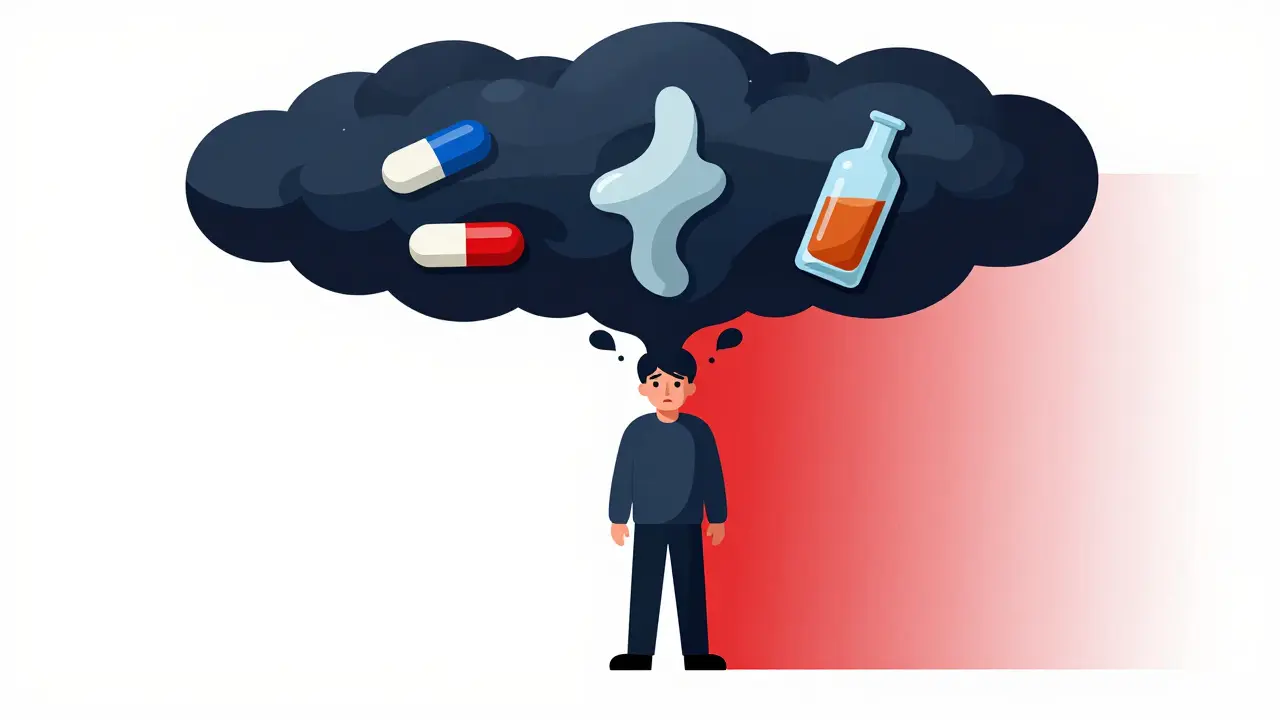
Most people think an overdose happens because they took too much of one drug. The hard truth is that in about three out of four opioid-related overdoses, the real killer is a combination of substances. This is called polydrug use. When you mix drugs that slow down your brain and breathing-like opioids, benzodiazepines, and alcohol-they don’t just add up; they multiply the danger. Your body can handle one sedative. It often cannot handle two.
Checking for these interactions isn't just for doctors writing prescriptions. If you take medication, or if you know someone who does, understanding how these chemicals interact is the single most effective way to prevent a fatal accident. You don't need a medical degree to start checking, but you do need to look beyond the pill bottle label.
Why Combinations Are More Dangerous Than Single Drugs
To check for risk, you first have to understand the mechanism. Most dangerous interactions happen between Central Nervous System (CNS) depressants. These are substances that slow down brain activity. Common examples include prescription painkillers (opioids), anti-anxiety meds (benzodiazepines like Xanax or Valium), sleep aids, muscle relaxers, and alcohol.
When you take an opioid alone, it slows your breathing. When you add a benzodiazepine, it doesn't just add more slowing; it suppresses the brain's drive to breathe even further. A 2022 study in JAMA Internal Medicine found that combining opioids with benzodiazepines increases the risk of death by over 10 times compared to taking opioids alone. Alcohol adds another layer, increasing respiratory depression risk by 67% according to NIH research from 2021.
The danger spikes when tolerance changes. If you stop using a drug for even a few days, your tolerance drops by 30-50% within 72 hours. Returning to your previous dose after a break, especially while mixing other substances, is a leading cause of accidental overdose. Checking for interactions means asking: "What am I putting in my body right now, and has my body changed since last time?"
Digital Tools: What They Catch and What They Miss
The easiest place to start is digital databases. Tools like the FDA’s Drug Interaction Checker or the National Library of Medicine’s MedlinePlus database are free and updated regularly. They cover thousands of prescription and over-the-counter medications. Medscape’s checker, which updates weekly, identifies about 89% of known dangerous interactions between prescribed drugs.
However, these tools have a blind spot. They only know about drugs with official names. They do not know about street drugs, illicit fentanyl analogs, or supplements bought online. According to the CDC, current digital tools miss 78% of dangerous interactions involving illicit substances. If you rely solely on an app, you might get a "safe" result for Tylenol and Zoloft, while missing the fact that you also drank beer and took a friend's leftover sleeping pill.
| Method | Coverage | Accuracy for Prescriptions | Blind Spots |
|---|---|---|---|
| Digital Apps (MedlinePlus, FDA) | Prescription & OTC only | High (89%) | Illlicit drugs, supplements, alcohol |
| Pharmacist Review | All dispensed meds + history | Very High | Non-dispensed/hidden substances |
| Harm Reduction Screening | All substances (legal & illegal) | High (94% with proper questioning) | Requires honest disclosure |
The Human Element: Asking the Right Questions
Because apps fail to capture the full picture, human interaction is critical. Healthcare providers and pharmacists use specific protocols to uncover hidden risks. The CDC recommends the "5 A's" approach: Ask, Assess, Advise, Agree, and Assist. But the wording matters.
Studies show that asking "Are you taking other medications?" yields low honesty rates. Many patients forget or hide non-prescribed items. Instead, experts recommend asking, "Do you ever take medicines not prescribed for you?" or "Do you use any substances to help you sleep or relax?" This phrasing increased disclosure rates by 52% in a 2022 study published in Addiction.
If you are talking to a doctor or pharmacist, be brutally honest. Mention the alcohol, the cannabis, the energy drinks, and the pills you got from a friend. Pharmacists use tools like the Beers Criteria to flag risky combos, especially for older adults, where 56 specific combinations are identified as high-risk. In Australia, Real Time Prescription Monitoring systems help catch some overlaps, but they still miss shared medications. Only you know what is actually entering your system.
Identifying Hidden Risks in Everyday Scenarios
Sometimes the interaction isn't between two pills. It's between a pill and a condition, or a pill and a method of use. SAMHSA’s toolkit highlights several individual risk factors that amplify overdose danger:
- Respiratory Conditions: Having asthma or COPD increases overdose risk by 4.2 times when combined with CNS depressants because your lungs are already compromised.
- Administration Method: Injecting drugs increases overdose risk by 300% compared to oral use due to faster absorption into the bloodstream.
- Street Names and Contamination: 73% of dangerous interactions involve drugs known by multiple street names. For example, "Molly" might be MDMA, but it could also be adulterated with fentanyl. Knowing the exact chemical name is impossible without testing.
Harm reduction organizations address this with the "Overdose Risk Assessment Card." Instead of listing drug names, it lists effects and common street terms, asking, "Have you used any of these in the last week?" This reduces stigma and helps people admit to using things they might otherwise hide. If you don't have access to a clinician, this type of self-check is vital. Ask yourself: "Am I mixing anything that makes me drowsy or relaxed?" If the answer is yes, the risk is elevated.
Practical Steps to Protect Yourself Today
You don't need to wait for a doctor's appointment to start managing this risk. Here is a practical checklist based on current harm reduction standards:
- List Everything: Write down every substance you consume in a week. Include coffee, alcohol, herbal supplements, vitamins, and over-the-counter cold meds. Don't skip the "small" stuff; antihistamines like Benadryl can intensify sedation.
- Check Online First: Use the FDA Drug Interaction Checker or MedlinePlus for all your legal medications. Note any "Major" or "Severe" warnings.
- Talk to a Pharmacist: Bring your list to a community pharmacist. Ask specifically: "Do any of these increase my risk of respiratory depression or extreme drowsiness?" They can spot interactions that apps might miss due to dosage nuances.
- Assess Your Environment: Do you use substances alone? Never. The presence of another person is the biggest safety net against overdose. If you live alone, keep naloxone (Narcan) accessible and teach a neighbor or family member how to use it.
- Monitor Tolerance Changes: If you miss a day or two of any regular medication or substance, assume your tolerance has dropped. Start at a lower dose or avoid mixing entirely until your body readjusts.
Remember, the goal isn't perfection; it's awareness. 90% of overdose deaths involving polydrug use are preventable through proper screening and caution. By treating every combination with respect and verifying risks through both digital tools and honest conversation, you take control of your safety.
Can natural supplements cause dangerous drug interactions?
Yes. Supplements like St. John's Wort, kava, or valerian root can affect liver enzymes or have sedative effects. Kava, for instance, can intensify the effects of alcohol and benzodiazepines, increasing the risk of liver damage and respiratory depression. Always treat supplements as active ingredients when checking for interactions.
Is it safe to mix caffeine with sedatives to stay awake?
No. Mixing stimulants like caffeine with depressants (the "speedball" effect) masks the sedative effects, making you feel alert while your body is still being slowed down. This leads to taking higher doses of the depressant than your body can handle, significantly increasing overdose risk once the stimulant wears off.
How quickly does tolerance drop after stopping opioid use?
Tolerance can decrease by 30-50% within just 72 hours of abstinence. This rapid drop means that returning to a previous dose after a short break can easily lead to an overdose, especially if other CNS depressants are involved.
Why do digital interaction checkers miss so many risks?
Digital tools rely on standardized drug names and clinical data. They cannot account for illicit substances, unknown fentanyl analogs, variable street drug purity, or concurrent alcohol use unless explicitly entered. They also miss behavioral factors like injection speed or underlying health conditions.
What should I ask my pharmacist to ensure I'm safe?
Ask: "Do any of these medications increase my risk of drowsiness or breathing problems?" and "Are there any interactions with alcohol or over-the-counter cold medicines?" Be sure to disclose any non-prescribed substances you use, as this information is crucial for accurate risk assessment.

Daniel Tremblay
Look, I get the fear-mongering angle but let's keep it real. Most people aren't mixing fentanyl and benzos in a back alley every Tuesday. It's usually just someone taking their prescribed Xanax and having a beer after work. The stats are scary sure, but don't act like everyone is walking around with a death wish because they forgot to check an app before drinking wine.
Alyssa Zucker
I actually found this really helpful for my mom who takes a lot of different meds for her anxiety and sleep. She never thinks about how they stack up together until she feels dizzy or confused. It’s nice to have concrete steps like writing everything down. Makes me feel less helpless when I visit her.
Francis Saul
hey guys just wanted to say that the part about tolerance dropping is super important. i know a few folks who stopped for a weekend and then went back to old habits and almost died. its crazy how fast your body changes. always start low if you break the streak even by a day. stay safe out there.
Dave Villeneue
The article fails to address the root cause: pharmaceutical negligence. Doctors prescribe these combinations routinely without adequate screening. The onus should not be on the patient to perform toxicology checks. This is a systemic failure masked as personal responsibility.
Rachel Harrypersad
its all about control really. we try to control our bodies with chemicals and then pretend we understand the chemistry. its a delusion. the body knows what it needs and when you fight it with pills and booze you are just fighting yourself. sad really.
Brian Irwin
i totally agree with the pharmacist tip. i used to be embarrassed to ask questions but now i just bring my list and ask straight out. it saves so much hassle later. if you feel weird just speak up. no one is judging you for wanting to stay alive.
Rosy Centire
You are missing the point entirely. The data from JAMA Internal Medicine does not lie. Combining CNS depressants increases mortality risk by over tenfold. Whether it is 'just a beer' or a cocktail of street drugs, the physiological mechanism of respiratory depression remains identical. Ignorance is not a defense against hypoxia. You must verify interactions regardless of perceived social norms regarding alcohol consumption.
Aswin Ashokan
in india we dont have this problem because we respect tradition and natural remedies. western medicine is too complex and dangerous. people here trust ayurveda and do not mix random chemicals. simple life means less risk. why complicate things with apps and databases when nature provides balance?
William Storm
One might ponder whether the true danger lies not in the pharmacological interaction, per se, but in the societal decay that necessitates such pedantic self-surveillance. To reduce human existence to a series of chemical compatibilities is a profound reductionism. Yet, here we are, consulting algorithms to determine if our evening libation will precipitate a fatal arrhythmia. How quaint.
Wendy Engelmann
It is interesting how we view safety as a checklist rather than a state of mind. If you are aware of your body, you likely already know when something is off. The tools are good backups but trusting your own intuition is underrated. Just listen to what you need.
Lisa Thomas
OMG yes!! The part about hiding substances from doctors is so real 😱 I always forget to mention the supplements or the otc cold meds. It’s like a secret shame club but it literally kills people. We need to stop being so secretive about what goes into our bodies! 💔
Henri-Paul Soulodre
This is absolutely tragic. We live in a society where people are too afraid to be honest with their doctors because of some twisted sense of privacy or shame. It is morally bankrupt to withhold information that could save your life. If you cannot be truthful with the person trying to help you, you deserve the consequences. Stop lying to your caregivers!