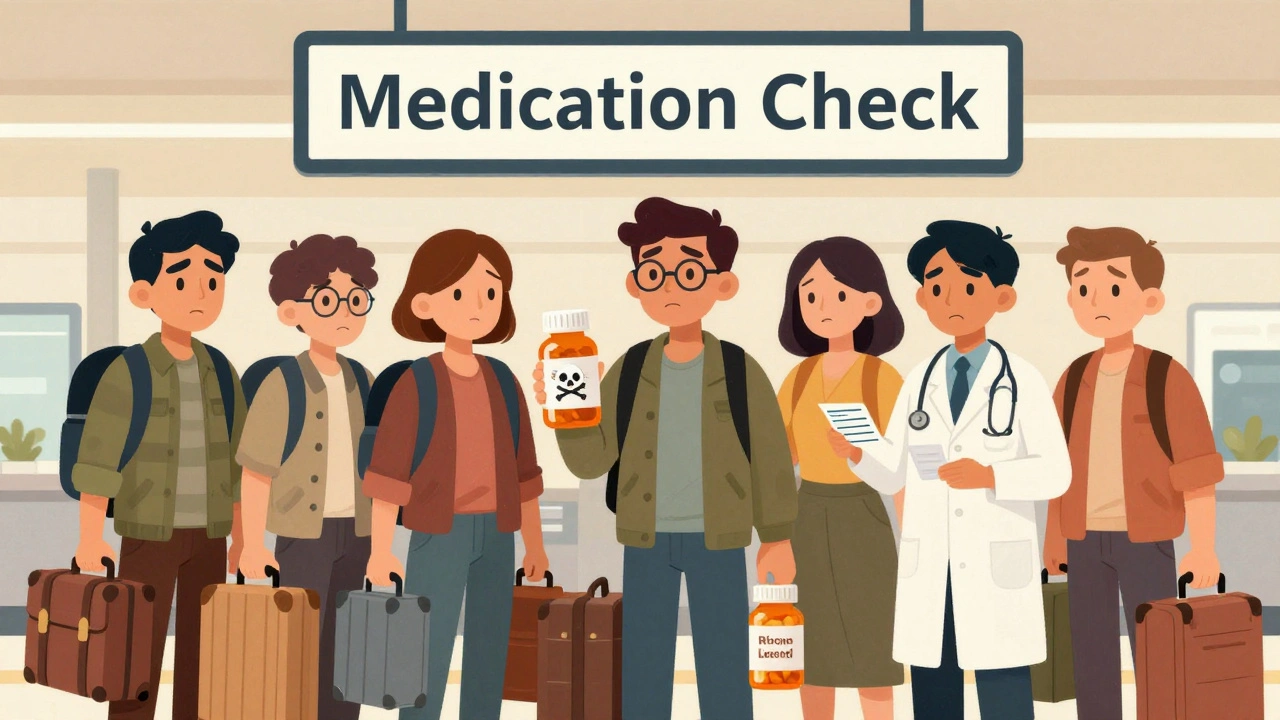
More than 14 million people travel abroad each year for medical care. They go for cheaper surgeries, faster appointments, or treatments not available at home. But behind the savings and convenience lies a quiet danger: medication safety. What works in Thailand or Turkey might be illegal, unavailable, or even dangerous back home. And no one warns you about it.
Why Medical Tourism Is Booming - And Why It’s Risky
The global medical tourism market is growing fast. Some estimates say it could hit $700 billion by 2033. People are flying to Mexico for dental work, India for heart surgery, South Korea for cancer treatment, and Turkey for hair transplants. The cost savings are real: up to 70% less for some procedures. But the drugs you get there? That’s a different story. Hospitals in popular destinations like Thailand and Malaysia often have Joint Commission International (JCI) accreditation. That means the facilities meet high standards for cleanliness, staff training, and equipment. But JCI doesn’t guarantee your prescriptions are safe. It doesn’t check if the pills you’re sent home with match what your doctor back home can legally prescribe. And it doesn’t track whether those pills are even real. The World Health Organization estimates 1 in 10 medicines in developing countries are substandard or fake. That’s not a rumor. It’s based on global surveillance. Fake antibiotics, diluted painkillers, or pills with the wrong active ingredient - they’re out there. And if you’re recovering from major surgery, a bad batch of medication could kill you.Medication Rules Vary Wildly - And You’re the One Who Pays
Every country has its own drug approval system. The U.S. FDA, the European EMA, and Health Canada have strict rules. But many medical tourism destinations operate under looser regulations. A drug approved in South Korea might be banned in the UK. A painkiller sold over-the-counter in India might require a prescription in Australia. And if you bring it home? You could be carrying illegal substances. Here’s a real example: A patient from Canada gets a knee replacement in India. The hospital prescribes a strong opioid painkiller not approved in Canada. Back home, their doctor can’t refill it. No pharmacy will fill it. They’re left in pain. Or worse - they try to buy it online from an unregulated site. That’s how people end up with fentanyl-laced pills. Even when the medication is legal, the dosage might not match. A patient from Germany receives a blood thinner in Mexico that’s labeled in milligrams, but the equivalent drug in Germany uses micrograms. One wrong switch, and you’re at risk of a stroke or internal bleeding.What Happens When You Come Home?
The biggest problem isn’t what you get while you’re abroad - it’s what happens after you return. Studies show 26% of medical tourists face follow-up care issues. Many of those are medication-related. Your home doctor may have no idea what drugs you were given. They don’t have access to your foreign medical records. Even if you bring the pill bottles, labels might be in another language. The active ingredient might be listed under a brand name you’ve never heard of. Pharmacists can’t verify it. Your insurance won’t cover it. And if you need to see a specialist? They’ll have to guess what you took - and what it did to your body. This isn’t theoretical. There are documented cases of patients developing liver damage from herbal supplements they took abroad, thinking they were “natural” and safe. Others had allergic reactions to dyes or fillers in foreign pills that aren’t used in their home country. One woman from the U.S. took a course of antibiotics in Thailand for a post-surgery infection. Back home, she had a severe reaction - because the antibiotic contained a compound banned in the U.S. for causing heart rhythm problems.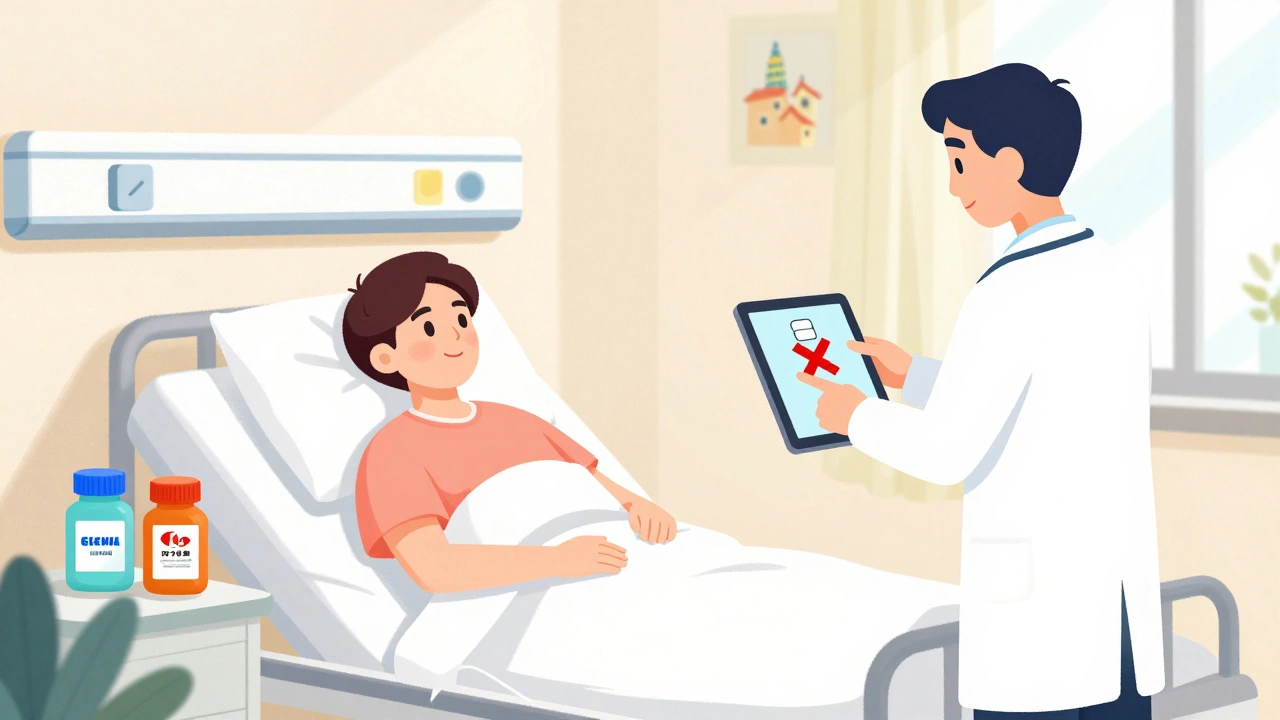
How to Protect Yourself: A Practical Checklist
You don’t have to avoid medical tourism. But you need to treat medication safety like you would treat your passport: check it, verify it, and never assume it’s fine.- Before you go: Talk to your primary doctor. Tell them where you’re going and what procedure you’re getting. Ask: “What medications will I need after surgery? Are they available here? Are they safe?” Get a list of generic names, not just brand names.
- Verify the pharmacy: Ask the hospital if they use a licensed, audited pharmacy. Request documentation showing the drug manufacturer and batch number. If they refuse or seem evasive, walk away.
- Bring your own meds: If you’re on regular medications (blood pressure, diabetes, thyroid), bring enough for your entire trip - plus extra. Don’t rely on foreign pharmacies to refill them.
- Get a written prescription: Before you leave, ask for a detailed prescription in English. Include the drug name (generic and brand), dosage, frequency, purpose, and manufacturer. Ask for a copy in digital format too.
- Don’t trust “wellness” supplements: Many clinics push vitamins, herbal tonics, or “immune boosters.” These aren’t regulated. Some contain steroids, heavy metals, or hidden pharmaceuticals. Say no.
- After you return: Schedule a follow-up with your doctor within a week. Bring all pill bottles, receipts, and discharge papers. Ask them to reconcile your medications. Don’t assume they’ll know what you were given.
What’s Being Done - And What’s Not
Some clinics are starting to fix this. In South Korea, Severance Hospital now uses AI to tailor cancer drug regimens based on a patient’s genetic profile. That’s advanced. But if your home country doesn’t recognize that drug, or if the data doesn’t transfer, it’s useless. A few providers are using digital health records that sync with international systems. Telemedicine follow-ups are becoming more common. But these are exceptions, not the norm. Most clinics still treat medical tourism like a transaction - get you in, get you out, collect payment. Regulators aren’t keeping up. No global agency tracks what drugs medical tourists take home. No international database links prescriptions across borders. Insurance companies won’t cover medication errors from overseas care. And your home government? They’ll tell you to “be careful” - but they won’t help you if something goes wrong.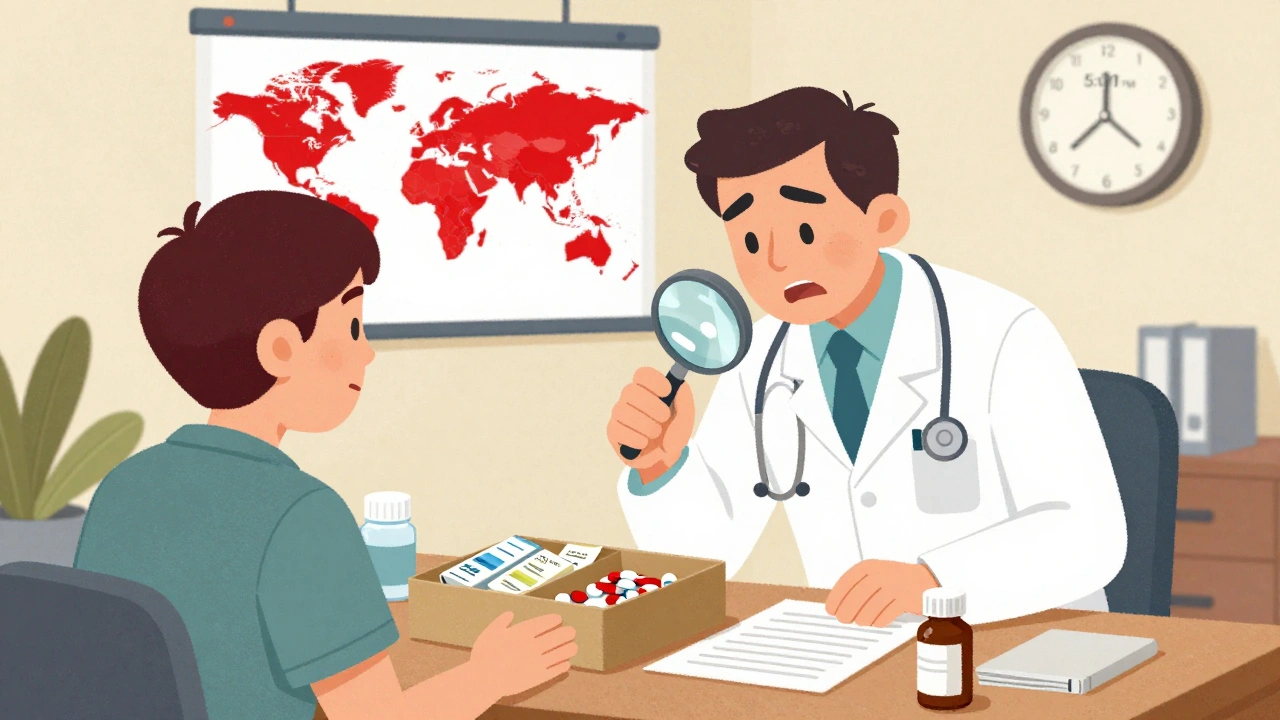

Christian Landry
I got my hip replaced in Thailand last year and came home with a bottle of painkillers labeled in Thai. My pharmacist had no clue what was in it. Took a pic, sent it to my doc, and he nearly had a heart attack. Turns out it was a strong opioid not approved here. I didn't even know I was bringing back a controlled substance. 😅 Don't trust the labels, folks.
Mona Schmidt
The checklist in the article is spot-on. I'm a nurse, and I've had patients come in with unlabeled vials from India, Mexico, and Thailand. One woman had taken a 'joint repair' pill that contained meloxicam-same as Mobic-but at double the dose. She had GI bleeding. No one told her the generic name. Always get the generic. Always. And bring your own meds. It's not inconvenient; it's essential.
Guylaine Lapointe
People think they're being smart by going abroad for cheaper care. Meanwhile, they're playing Russian roulette with their internal organs. If you can't afford surgery at home, maybe you shouldn't be getting surgery at all. This isn't a vacation. It's a medical emergency waiting to happen. And now the public health system has to clean up your mess when you come home with a drug-induced stroke.
Andrea Petrov
I’ve been researching this for months. The real story? The WHO data is manipulated. Big Pharma is pushing this narrative to scare people away from cheap alternatives so they can keep monopolizing drug prices. You think your FDA is protecting you? It’s protecting profits. I know someone who got real, FDA-approved meds from a clinic in Tijuana-same batch number, same factory. The only difference? No middlemen. Wake up.
Suzanne Johnston
There’s a deeper layer here we’re not talking about: the erosion of trust in local healthcare systems. Why do people feel compelled to go abroad? Because they’ve been failed by bureaucracy, wait times, cost barriers, and disengaged providers. The medication risks are real-but they’re symptoms of a broken system. We need global coordination on drug standards, not just individual vigilance. Otherwise, we’re just putting Band-Aids on a hemorrhage.
Graham Abbas
I had a friend go to India for a knee replacement. Came back with a suitcase full of pills in plastic bags with no labels. Said the hospital gave them to him ‘for the flight home.’ He didn’t know what half of them were. Two weeks later, he ended up in the ER with a bleeding ulcer. Turns out one of the pills was a NSAID he was allergic to-something his doctor had warned him about years ago. He didn’t even remember. That’s the tragedy. It’s not just about fake drugs. It’s about forgetting your own medical history when you’re desperate.
Haley P Law
I went to Mexico for a tummy tuck and got a ‘healing tonic’ that made me hallucinate for 3 hours. Turns out it had unlisted ketamine. I screamed in the airport. Security thought I was high. I had to show them the bottle. The label said ‘Herbal Energy Boost.’ 😭 I’m never trusting a ‘wellness’ pill again. And no, I didn’t tell my doctor until 3 weeks later. I was embarrassed.