NSAIDs: What They Are, How They Work, and What You Need to Know
When you reach for ibuprofen after a headache or naproxen for sore muscles, you’re using a class of drugs called NSAIDs, nonsteroidal anti-inflammatory drugs that reduce pain, fever, and inflammation. Also known as non-steroidal anti-inflammatories, these are some of the most widely used medications in the world—available over the counter and by prescription. They don’t just mask pain. They block enzymes in your body that cause swelling and discomfort, making them useful for everything from menstrual cramps to arthritis flare-ups.
But not all NSAIDs are the same. Ibuprofen, a common OTC option that works quickly for short-term pain, is different from naproxen, a longer-lasting option often prescribed for chronic conditions like osteoarthritis. Then there’s aspirin, which does more than just relieve pain—it can thin your blood and help prevent heart attacks. Each one has its own timing, strength, and side effect profile. And while they’re easy to get, they’re not harmless. Long-term use can irritate your stomach, raise blood pressure, or hurt your kidneys, especially if you’re already on other meds.
NSAIDs relate directly to many of the conditions covered in the posts below. If you’ve ever wondered why your antidepressant might be lowering your sex drive, or how anxiety connects to addiction, you’re seeing how drugs affect more than just one system. NSAIDs interact with your body’s chemistry in ways that ripple through other treatments—like blood pressure pills, muscle relaxants, or even supplements. That’s why knowing what’s in your medicine cabinet matters. You might be taking NSAIDs without realizing it, or combining them with something that makes side effects worse.
What you’ll find here isn’t a list of brand names or dosage charts. It’s real talk about how these drugs actually work, who they help, who they hurt, and what alternatives people are turning to. You’ll see how they connect to muscle recovery, chronic pain, and even mental health. No fluff. Just what you need to use them safely—and when to ask for something else.

NSAIDs and Heart Failure: Fluid Retention and Hospitalization Risk
Learn why NSAIDs are dangerous for heart failure patients. Understand fluid retention risks, hospitalization data, and safe alternatives like acetaminophen.
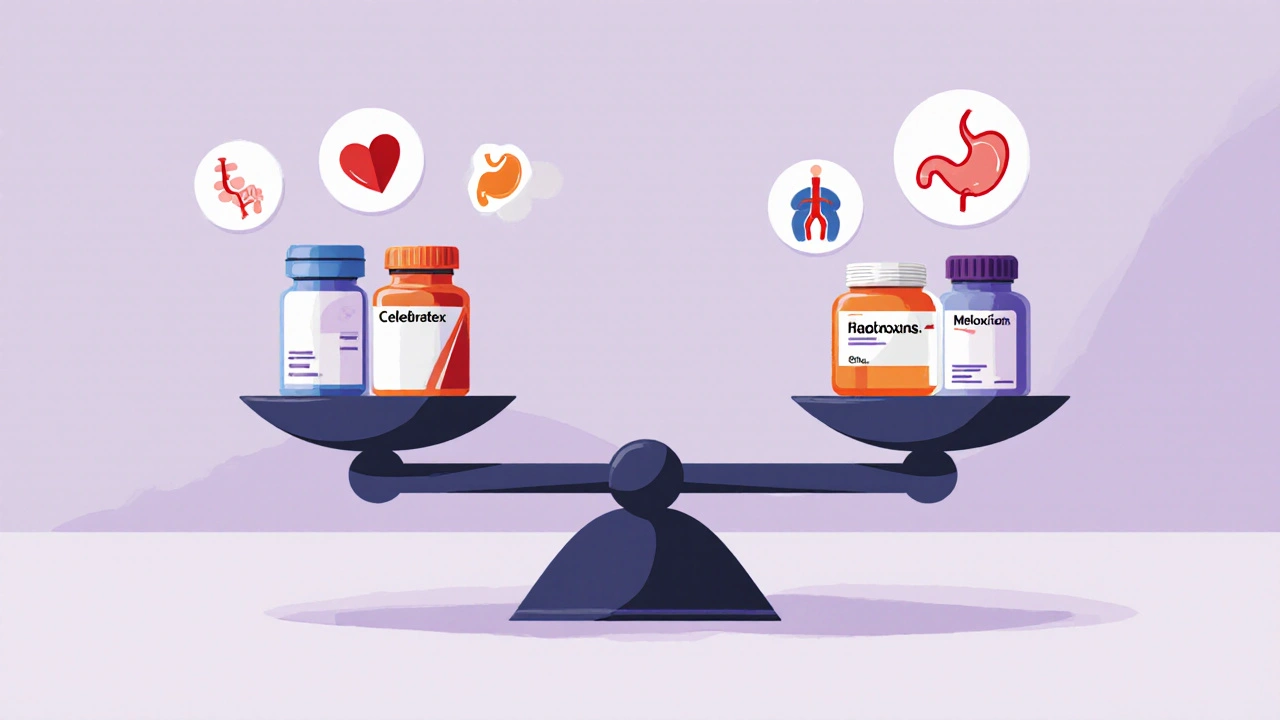
Celebrex vs Alternatives: What Works Best for Pain and Inflammation?
Compare Celebrex (celecoxib) with common alternatives like ibuprofen, naproxen, meloxicam, and diclofenac to find the safest, most effective pain relief for arthritis and inflammation.