Bell's palsy: Causes, Symptoms, and Treatment Options
When your face suddenly droops on one side—eyelid won’t close, smile feels lopsided, or you can’t raise your eyebrow—it’s often Bell’s palsy, a temporary weakness or paralysis of the facial nerve that controls muscle movement on one side of the face. Also known as idiopathic facial palsy, it’s not a stroke, not a tumor, and not permanent in most cases. It hits fast, often overnight, and scares people because it looks like something worse. But the good news? Most people recover fully within weeks to months.
Bell’s palsy is linked to facial nerve damage, inflammation or swelling of the seventh cranial nerve that runs from the brain to the face. Doctors don’t always know why it happens, but viruses like herpes simplex (the one that causes cold sores) are often involved. It’s more common in pregnant women, people with diabetes, or those with upper respiratory infections. It doesn’t spread from person to person, and it’s not caused by stress alone—even though stress might make your body more vulnerable.
What you feel matters more than what you see. Tingling, pain behind the ear, sensitivity to sound, or dry eye can come before the droop. Some people lose taste on one side of the tongue. The key is to act fast: if symptoms show up suddenly, see a doctor within 72 hours. That’s when corticosteroids, anti-inflammatory drugs like prednisone that reduce nerve swelling work best. In some cases, especially if a virus is suspected, antiviral treatment, medications like acyclovir or valacyclovir that target viral activity are added. Not everyone needs them, but for those who do, timing changes everything.
Recovery isn’t just about pills. Protecting your eye is critical—if you can’t blink, your cornea can dry out and get damaged. Artificial tears, eye patches, and even taping the eye shut at night are simple but life-changing steps. Physical therapy for the face? Yes, it helps. Gentle exercises, massage, and electrical stimulation can speed up nerve recovery. And while most people get better without surgery, a small number with severe, long-lasting paralysis may need nerve grafts or muscle transfers later on.
You won’t find miracle cures here. But you will find what actually works—based on clinical evidence and patient reports. Below, you’ll see real posts that break down how medications like corticosteroids compare to alternatives, what side effects to watch for, and how other conditions like Lyme disease or diabetes can mimic or worsen Bell’s palsy. Some posts even cover how facial nerve recovery overlaps with other neurological issues, like trigeminal neuralgia or stroke recovery. This isn’t just a list of articles—it’s a roadmap to understanding your body after Bell’s palsy hits.
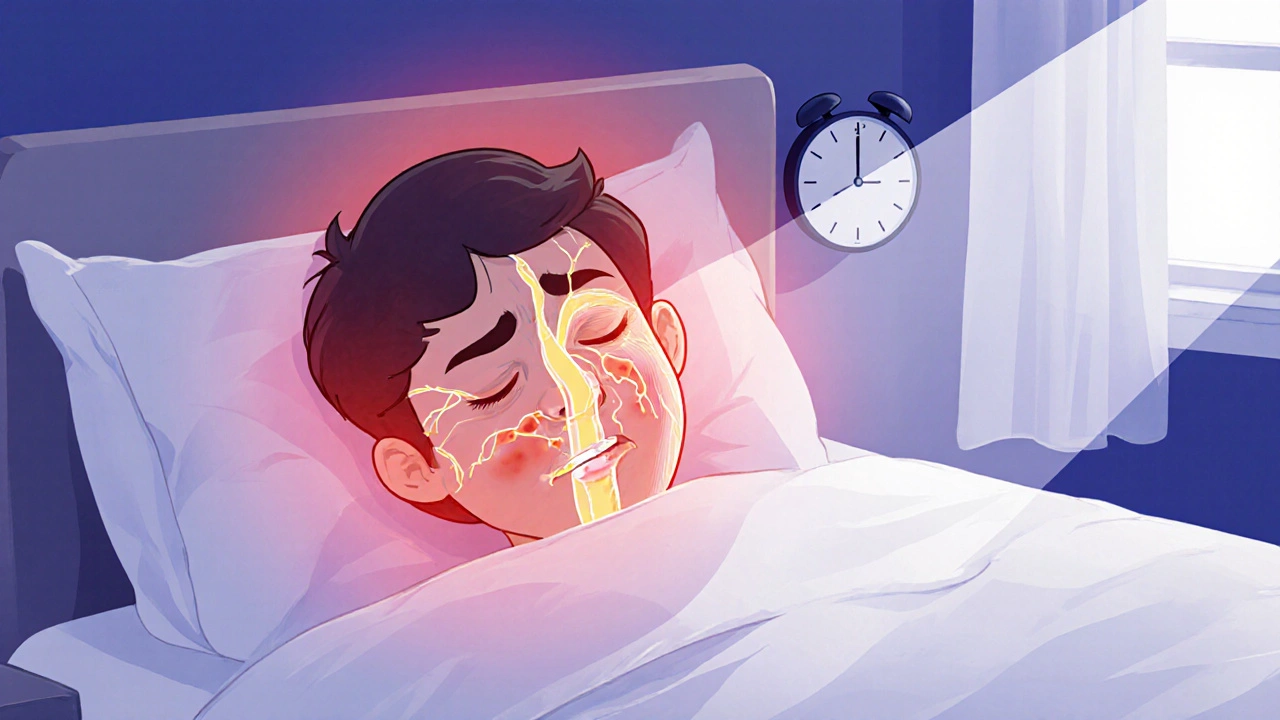
Bell’s Palsy: How Corticosteroids Improve Facial Nerve Recovery
Bell's palsy causes sudden facial paralysis, but prompt corticosteroid treatment can significantly improve recovery. Learn how prednisone works, why timing matters, and what treatments actually help.