Insurance Requirements for Medications: What You Need to Know
When you need a prescription, insurance requirements, the rules set by health plans that determine which drugs are covered and under what conditions. Also known as pharmacy benefits, these rules can make the difference between paying $5 or $500 out of pocket. Most people assume their insurance covers all prescriptions—but that’s not true. Each plan has its own list of approved drugs, called a formulary, a curated list of medications approved for coverage by a health plan. If your drug isn’t on it, you might get denied unless you jump through hoops.
One of the biggest hurdles is prior authorization, a process where your doctor must get approval from your insurer before they’ll pay for a specific medication. This often happens with brand-name drugs, newer treatments, or ones that have cheaper alternatives. You might think your doctor just writes a script and you pick it up—but in reality, they’re filling out forms, calling insurers, and sometimes waiting days. And if they skip this step? The pharmacy won’t dispense it, no matter how urgent your need.
Then there’s step therapy, a requirement that you try cheaper or older drugs before moving to more expensive ones. For example, your insurer might force you to try generic ibuprofen before approving Celebrex—even if you’ve tried it before and it didn’t work. It’s not about what’s best for you; it’s about what’s cheapest for them. This isn’t just frustrating—it can delay treatment, worsen symptoms, and even lead to hospital visits.
Some plans also limit how much you can get at once. A 30-day supply? Fine. A 90-day supply? You need special permission. And if you’re traveling? Your insurance might not cover you outside your region, or worse, it might not cover certain drugs entirely—like codeine or pseudoephedrine, which are banned in some countries. That’s why knowing your plan’s rules before you leave home matters.
Even when your drug is covered, you might still pay more than expected. Coinsurance, copays, deductibles—they all add up. And if you’re on multiple medications, those costs stack fast. That’s why people end up skipping doses, splitting pills, or going without. It’s not laziness or ignorance—it’s the system.
But here’s the good news: you’re not powerless. You can appeal denials. You can ask your doctor for generic alternatives. You can check if your plan has a preferred pharmacy with lower prices. You can even request a formulary exception if your drug is medically necessary. Many of the posts below walk you through real cases—like how someone got coverage for Sildigra Softgel after their insurer refused, or how a patient fought step therapy for their epilepsy meds and won.
Whether you’re managing diabetes with Victoza, treating acne with Accutane, or dealing with nerve pain from Neurontin, your access depends on understanding these rules. This collection gives you the tools to navigate them—without needing a degree in health policy. You’ll find real stories, step-by-step guides, and tips that actually work. No fluff. Just what you need to get your meds—on time, at a price you can afford.
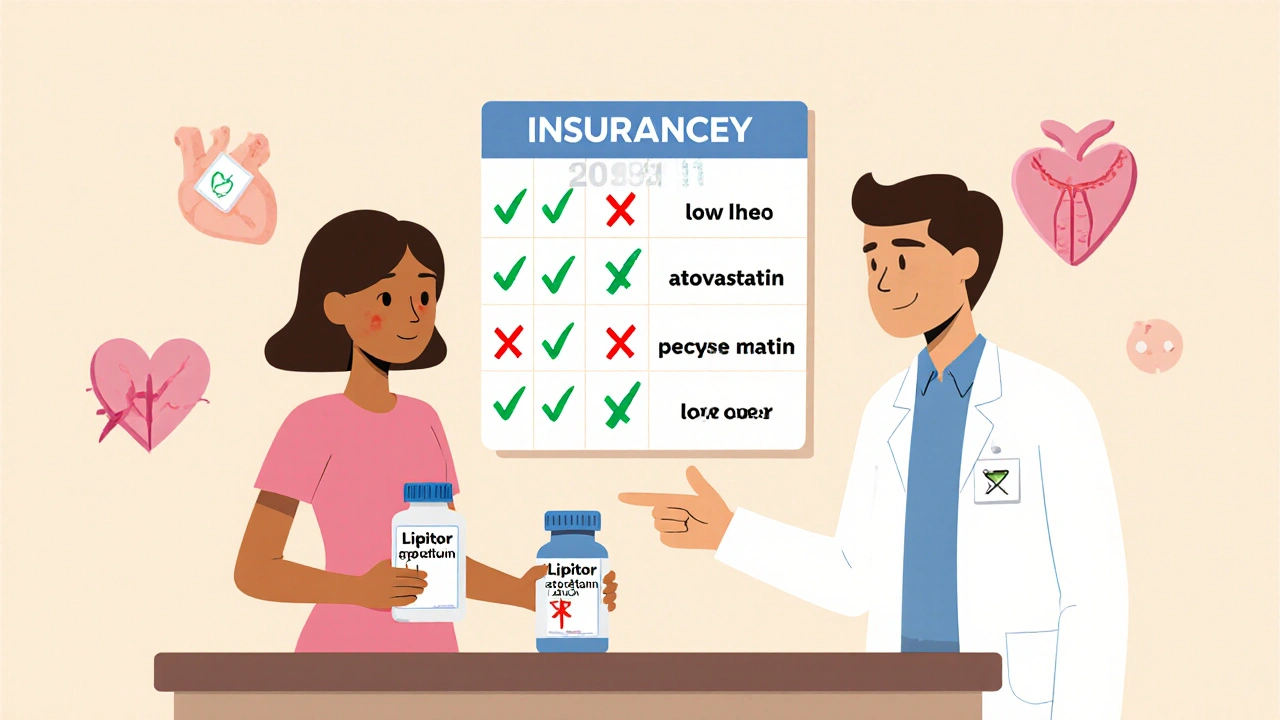
How to Handle Insurance Requirements for Generic Substitution
Learn how insurance companies enforce generic drug substitution, when you can demand the brand-name version, and how to avoid dangerous switches. Real-world rules, state laws, and patient rights explained.