Narrow Therapeutic Index: What It Means for Your Medication Safety
When a drug has a narrow therapeutic index, a small difference between the dose that works and the dose that causes harm. Also known as low therapeutic index, it means your body can’t tolerate much variation—too little and the drug doesn’t work; too much and you risk serious side effects or toxicity. This isn’t just a technical term—it’s a safety flag that affects real people taking medications like warfarin, lithium, phenytoin, and cyclosporine. These drugs don’t give you room for error. If your blood level dips just a bit, the treatment fails. If it climbs a little too high, you could end up in the hospital.
That’s why switching from a brand-name drug to a generic isn’t always simple with these medications. Bioequivalence, the standard test used to prove a generic matches the brand looks at average absorption, but for drugs with a narrow therapeutic index, even tiny differences in how fast or how much the body absorbs the drug can matter. Some generics pass the tests but still cause problems in real life because of how they’re made—like delayed-release coatings or filler ingredients that change how the drug dissolves. That’s why regulators require stricter testing for these drugs, and why your pharmacist might not swap them out without checking with your doctor.
Monitoring is key. If you’re on one of these drugs, you’ll likely need regular blood tests to make sure your levels stay in the safe zone. Changes in your diet, other medications, or even your liver function can shift those levels. A new antibiotic, a different brand of generic, or skipping a meal can all throw things off. That’s why patient counseling matters—pharmacists who ask you about your routine can catch risks before they become emergencies. And if you’re traveling or switching pharmacies, don’t assume your new prescription will behave the same way. Keep your dose and test results handy.
The posts below dive into exactly these kinds of real-world safety issues: how drug recalls happen when safety margins are tight, why some generics fail in practice, how interactions with other meds can turn a safe dose dangerous, and what you can do to protect yourself. Whether you’re managing epilepsy, heart disease, or transplant rejection, understanding the narrow therapeutic index isn’t just helpful—it’s essential.
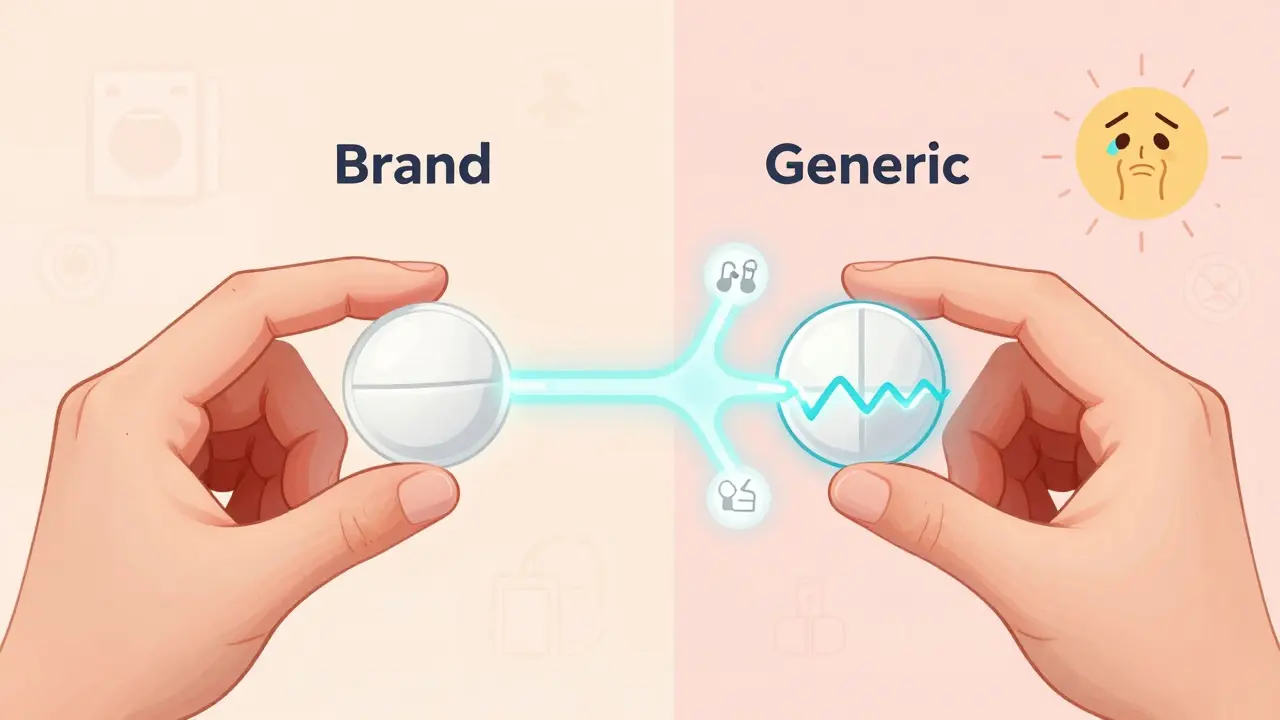
Why Some People React Differently to Generic Medications
Not all generic medications work the same for everyone. Learn why some people experience side effects or worsening symptoms after switching from brand-name drugs to generics-and what you can do about it.

FDA Bioequivalence Standards for NTI Drugs: What You Need to Know
The FDA enforces strict bioequivalence standards for NTI drugs like warfarin, digoxin, and phenytoin, requiring tighter limits and replicate studies to ensure safety. Learn how these rules protect patients and why generic switches need caution.