Neonatal Kernicterus: Causes, Risks, and How to Prevent Brain Damage in Newborns
When a baby is born with neonatal kernicterus, a type of brain damage caused by extremely high levels of bilirubin in the blood. It’s a preventable condition that happens when severe newborn jaundice goes untreated long enough for bilirubin to cross into the brain and harm nerve cells. Most newborns have mild jaundice—yellow skin and eyes—due to immature livers that can’t process bilirubin fast enough. But when levels spike past safe limits, the risk of permanent damage rises fast. This isn’t just a theory; it’s a documented outcome seen in hospitals when monitoring and treatment are delayed.
Bilirubin levels, the key indicator of jaundice severity, are measured with a simple blood test or skin scanner. Levels above 25 mg/dL in full-term babies are considered dangerous. Premature babies face higher risks at lower levels because their blood-brain barrier is even more vulnerable. Phototherapy is the standard treatment—blue light breaks down bilirubin so the baby can pass it out safely. But if doctors miss early signs or parents don’t recognize worsening yellowing, the window to act closes quickly. Other risk factors include blood type mismatches between mother and baby, breastfeeding difficulties leading to dehydration, and genetic conditions like G6PD deficiency that speed up red blood cell breakdown. These aren’t rare edge cases—they show up regularly in NICUs and pediatric clinics.
What makes neonatal kernicterus so tragic is that it’s almost always avoidable. Routine screening within the first 24 to 48 hours after birth catches most at-risk infants. Follow-up visits within a few days are just as critical, especially for babies who leave the hospital early. Parents should know: if your baby’s yellowness spreads to the arms or legs, if they’re unusually sleepy or hard to wake, or if they cry in a high-pitched way, these aren’t normal—they’re warning signs. Brain damage in infants, caused by bilirubin toxicity, can lead to cerebral palsy, hearing loss, or developmental delays that last a lifetime. There’s no magic cure once damage occurs. Prevention is everything.
The posts below cover real-world cases, treatment protocols, and warning signs you won’t find in generic parenting blogs. You’ll see how hospitals track bilirubin levels, why some babies respond faster to phototherapy, and what parents can do to push for timely care. These aren’t theoretical guides—they’re practical tools from clinicians and families who’ve been through it. Whether you’re a new parent, a healthcare worker, or just someone trying to understand what happened, this collection gives you the facts you need to act fast.
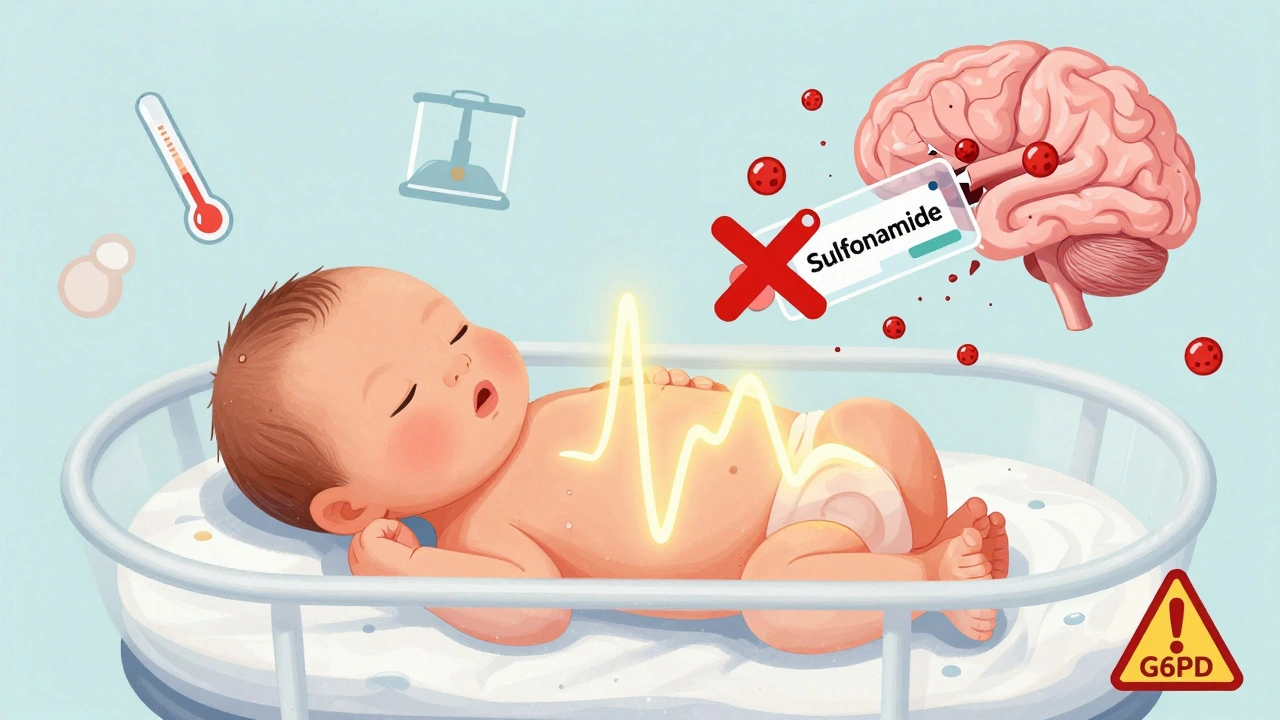
Neonatal Kernicterus Risk: Sulfonamides and Other Medication Warnings
Sulfonamides and other medications can trigger kernicterus in newborns by displacing bilirubin from albumin, leading to brain damage. Learn which drugs to avoid, how risk is assessed, and what parents and providers must do to prevent this preventable condition.