NTI Drugs: What They Are, Why They Matter, and How to Stay Safe
When a drug has a Narrow Therapeutic Index, a small difference in dose can lead to treatment failure or serious toxicity. Also known as NTI drugs, these medications leave almost no room for error—whether you're taking warfarin, levothyroxine, or phenytoin. One pill too much or too little can mean the difference between recovery and hospitalization. Unlike most drugs where a 10% dose change might just make you feel a little off, NTI drugs demand precision. That’s why pharmacists and doctors treat them differently, and why switching brands—even to a generic—can sometimes cause problems if not handled carefully.
NTI drugs are often used for life-threatening or chronic conditions: seizures, blood clots, thyroid disorders, and organ rejection after transplants. The bioequivalence, how closely a generic matches the brand in how it’s absorbed by the body requirement for these drugs is stricter than for others. The FDA doesn’t just check if the generic has the same active ingredient—it demands that absorption levels stay within a tighter range. Even then, real-world reports show some patients have trouble when switching, especially with drugs like levothyroxine, where tiny changes in hormone levels can throw off heart rate, energy, and mood.
It’s not just about generics. Mixing NTI drugs with other meds, skipping doses, or even changing your diet can shift how they work. Warfarin, for example, reacts to vitamin K in leafy greens, alcohol, and even some antibiotics. That’s why patient counseling matters so much—83% of dispensing errors are caught when pharmacists ask clear, direct questions before handing over the bottle. And if you’re on one of these drugs, you need to know your numbers: INR levels for warfarin, TSH for thyroid meds, or drug levels for epilepsy treatments. These aren’t optional checkups—they’re your safety net.
You’ll find posts here that dig into the real-world risks of switching generics, how drug recalls affect NTI medications, why some patients have bad reactions to seemingly identical pills, and how to talk to your pharmacist about dosage consistency. There’s also advice on managing these drugs alongside other conditions, like diabetes or kidney disease, where even small changes can ripple through your whole system. This isn’t theoretical. People get hurt when NTI drugs aren’t handled right. But with the right knowledge, you can stay in control—and avoid the mistakes others have made.
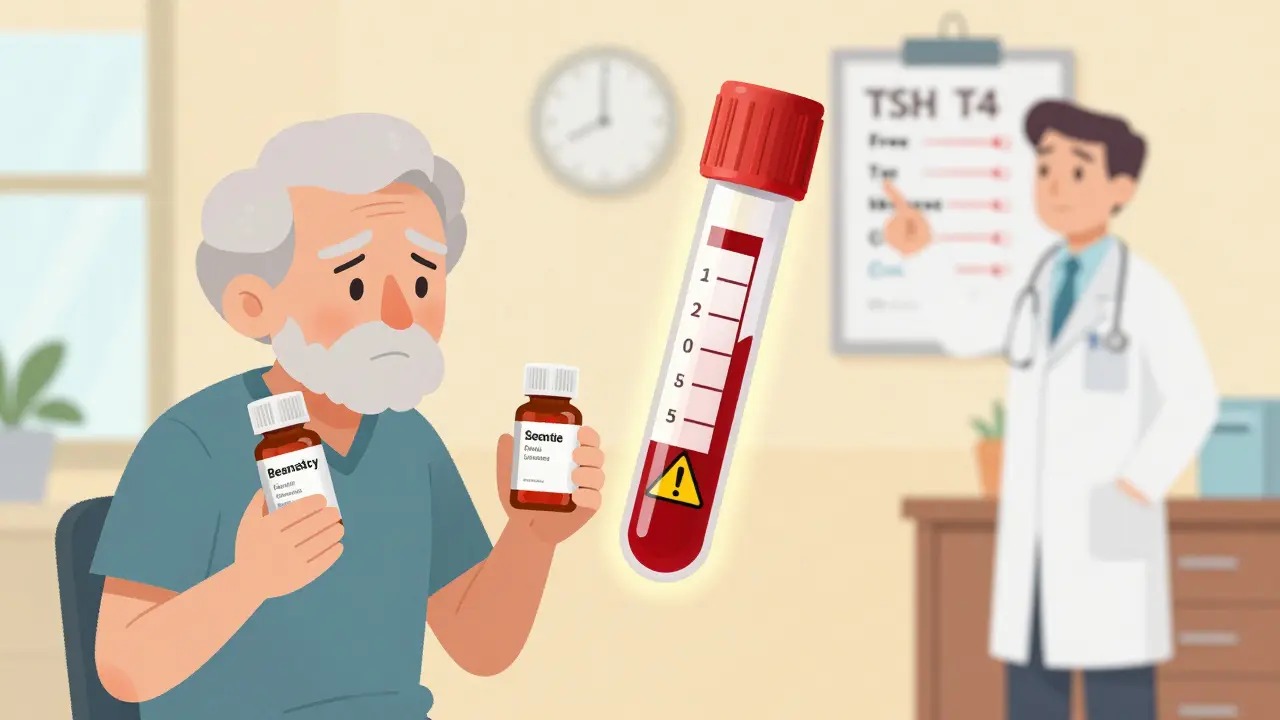
Therapeutic Drug Monitoring for Generic NTI Drugs: Protecting Patients When Substitutions Go Wrong
Therapeutic drug monitoring protects patients on narrow therapeutic index (NTI) drugs when switching to generics. Even small changes in blood levels can cause harm-TDM ensures safety by measuring actual drug concentrations.

FDA Bioequivalence Standards for NTI Drugs: What You Need to Know
The FDA enforces strict bioequivalence standards for NTI drugs like warfarin, digoxin, and phenytoin, requiring tighter limits and replicate studies to ensure safety. Learn how these rules protect patients and why generic switches need caution.