Sleep Apnea Implant: What It Is, Who It Helps, and What You Need to Know
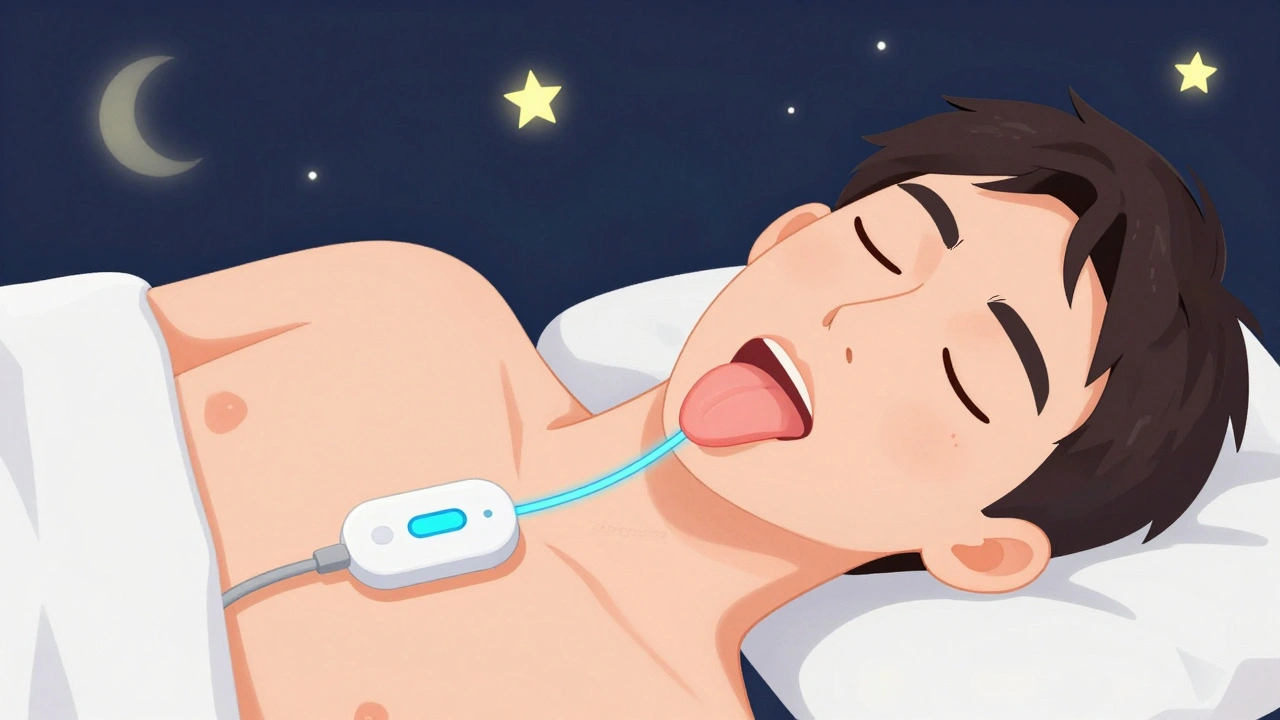
When you can't breathe properly while sleeping, it's not just annoying—it's dangerous. A sleep apnea implant, a small device surgically placed to stimulate the nerve that controls tongue movement during sleep. Also known as a hypoglossal nerve stimulator, it helps keep your airway open by gently moving your tongue forward when you breathe in. This isn’t a cure, but for people who can’t tolerate CPAP machines, it’s a real game-changer.
Obstructive sleep apnea happens when throat muscles relax too much and block your airway. Most people try CPAP first—a mask that blows air into your throat. But if you hate the noise, the mask, or the feeling of being tied to a machine, you’re not alone. About half of people quit using CPAP within a year. That’s where the sleep apnea implant, a surgically implanted device that monitors breathing and triggers nerve stimulation comes in. It’s only for adults with moderate to severe sleep apnea who’ve tried and failed with CPAP. The device is implanted under the skin near the collarbone, with a lead running to the nerve under the tongue. It turns on automatically when you fall asleep and shuts off when you wake up.
It’s not for everyone. If you’re overweight, have central sleep apnea, or have too much tissue blocking your airway, this won’t help much. Your doctor will need to do a sleep study and an airway exam to see if you’re a candidate. Side effects are usually mild—sore throat, swelling, or tongue irritation—but serious complications like infection or nerve damage are rare. The device lasts 10–15 years and can be replaced if needed.
Other options exist too. Oral appliances that push your jaw forward can work for mild cases. Weight loss, sleeping on your side, or quitting alcohol can help too. But if you’ve tried everything and still wake up gasping, the hypoglossal nerve stimulator, a FDA-approved device that gives you back control over your breathing at night might be the answer you’ve been looking for.
Below, you’ll find real patient experiences, comparisons with other treatments, and practical advice on how to talk to your doctor about this option. Whether you’re considering surgery or just starting to explore solutions, these posts give you the facts without the fluff.
Upper Airway Stimulation: An Implant Option for Sleep Apnea When CPAP Doesn’t Work
Upper airway stimulation is a surgical implant for sleep apnea that works when CPAP fails. It stimulates the tongue nerve to keep the airway open, with high success rates and better adherence than masks.