SSRIs: What They Are, How They Work, and What You Need to Know
When doctors talk about SSRIs, selective serotonin reuptake inhibitors are a class of antidepressants that increase serotonin levels in the brain to improve mood and reduce anxiety. Also known as serotonin reuptake inhibitors, they’re among the most prescribed medications for depression, panic disorder, and OCD in Canada and the U.S. Unlike older antidepressants, SSRIs don’t cause heavy sedation or dangerous interactions with food—making them safer for long-term use. But they’re not magic pills. They take weeks to work, and not everyone responds the same way.
SSRIs work by blocking the reabsorption of serotonin, a chemical your brain uses to send signals between nerve cells. More serotonin in the spaces between neurons helps stabilize mood. Common SSRIs include fluoxetine (Prozac), sertraline (Zoloft), escitalopram (Lexapro), and citalopram (Celexa). Each has slightly different side effects and how fast it kicks in. For example, sertraline often helps with anxiety faster than fluoxetine, but fluoxetine stays in your system longer—which can be good or bad depending on your situation. You might hear people say SSRIs are "just chemical crutches," but research shows they’re often the most effective tool when combined with therapy, especially for moderate to severe depression.
Side effects are real but usually mild and temporary. Nausea, sleep changes, and sexual dysfunction are the most common. Many people quit too soon because they feel worse at first, not realizing it takes 4–6 weeks for the brain to adjust. Weight gain and emotional numbness are concerns too, but not everyone gets them. What’s often overlooked is how SSRIs interact with other meds. For instance, combining them with certain painkillers or supplements like St. John’s wort can cause serotonin syndrome—a rare but dangerous condition. Always tell your doctor everything you’re taking, even over-the-counter stuff.
SSRIs aren’t just for depression. They’re used for OCD, PTSD, social anxiety, and even chronic pain conditions like fibromyalgia. They’re also prescribed off-label for premature ejaculation and severe premenstrual symptoms. But they’re not for everyone. People with bipolar disorder can trigger mania if started on SSRIs without a mood stabilizer. And in teens and young adults, there’s a small increased risk of suicidal thoughts early in treatment—so close monitoring is key.
What you’ll find in this collection are real, practical stories and science-backed facts about SSRIs. You’ll learn how to tell if they’re working, what to do when they don’t, how to talk to your doctor about switching, and why some people stop taking them cold turkey—then pay the price. You’ll also see how patient counseling, generic versions, and medication safety practices play a role in getting the most out of treatment. These aren’t ads. They’re experiences, warnings, and tips from people who’ve been there—and from the experts who help them.
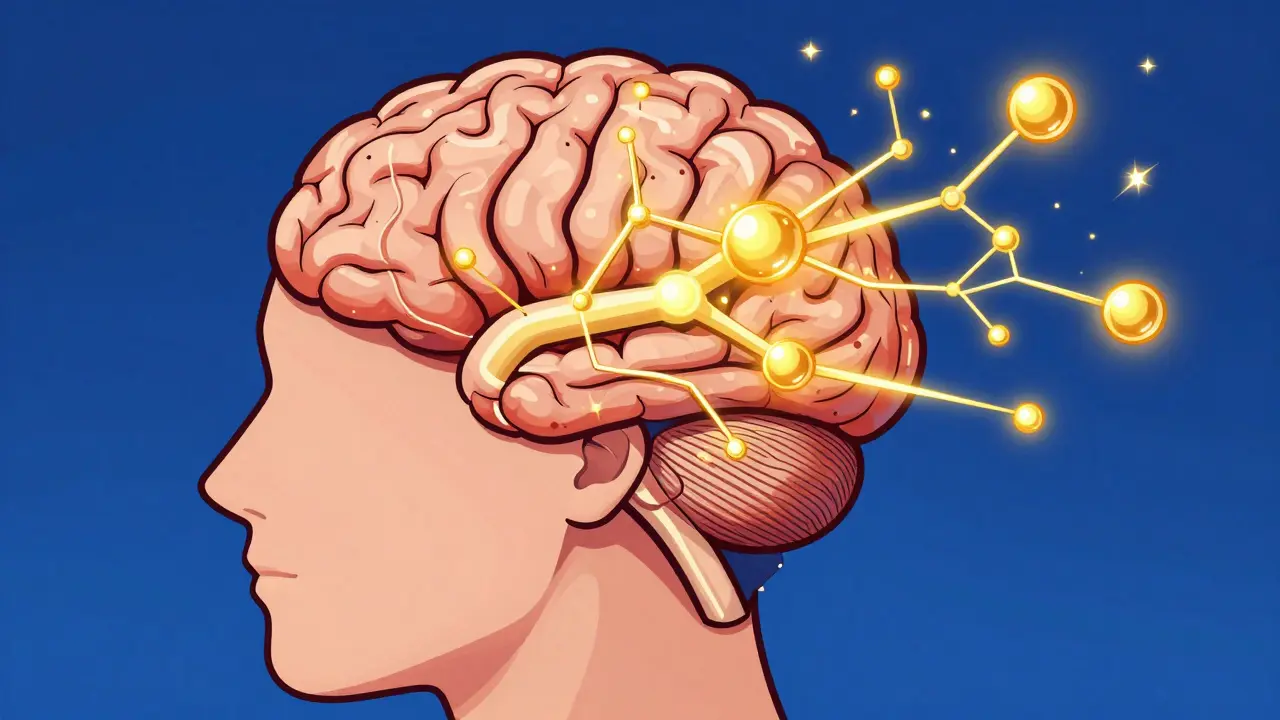
SSRI-Induced Serotonin Syndrome: Symptoms, Risks, and Emergency Response Guide
Learn how to identify SSRI-induced serotonin syndrome, understand the dangerous drug interactions, and know the critical emergency steps to save a life.

Bleeding Risk from SSRIs: How Platelet Dysfunction Increases Bleeding Danger
SSRIs can increase bleeding risk by reducing serotonin in platelets, impairing clotting. Paroxetine carries the highest risk, while sertraline is safer. Avoid NSAIDs and blood thinners. Know the warning signs and talk to your doctor before surgery.