Archive: 2025/12 - Page 2
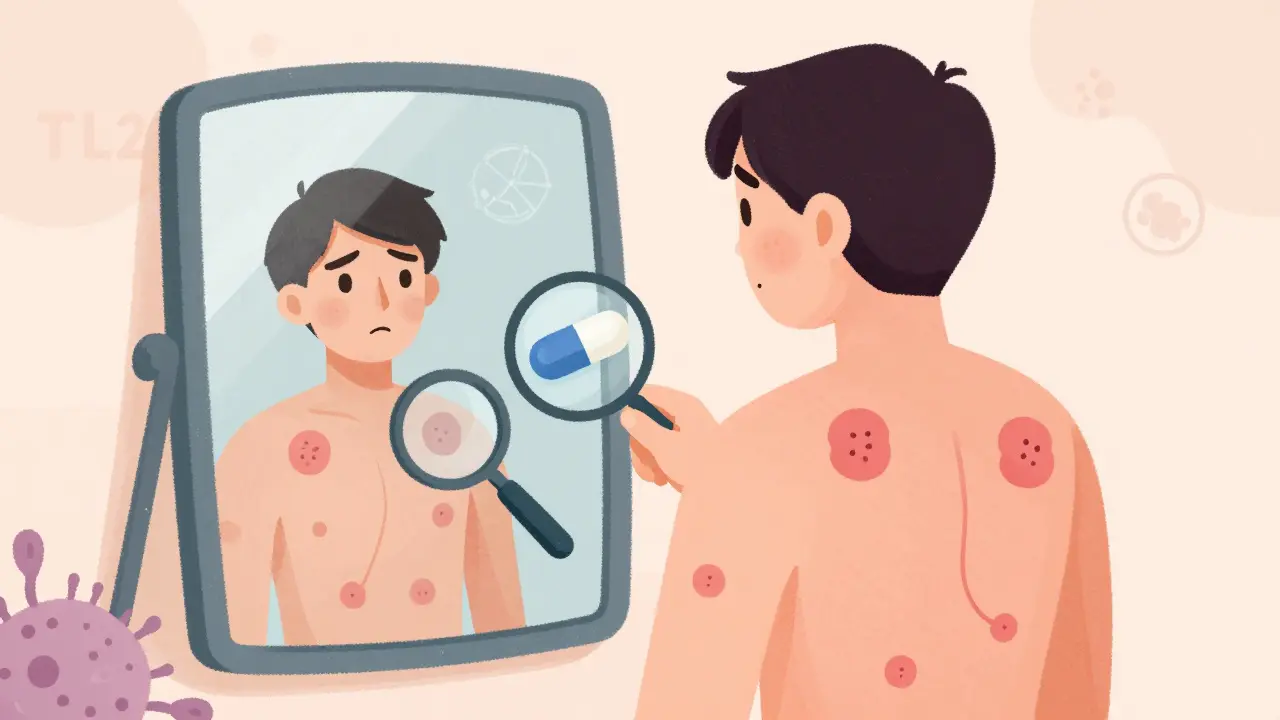
Steroid-Induced Acne and Skin Changes: Effective Topical and Lifestyle Solutions
Steroid-induced acne is a common side effect of corticosteroid or anabolic steroid use, presenting as uniform red bumps on the chest and back. Learn how topical treatments like tretinoin and antifungals, combined with lifestyle changes, can effectively manage this condition without stopping essential medication.
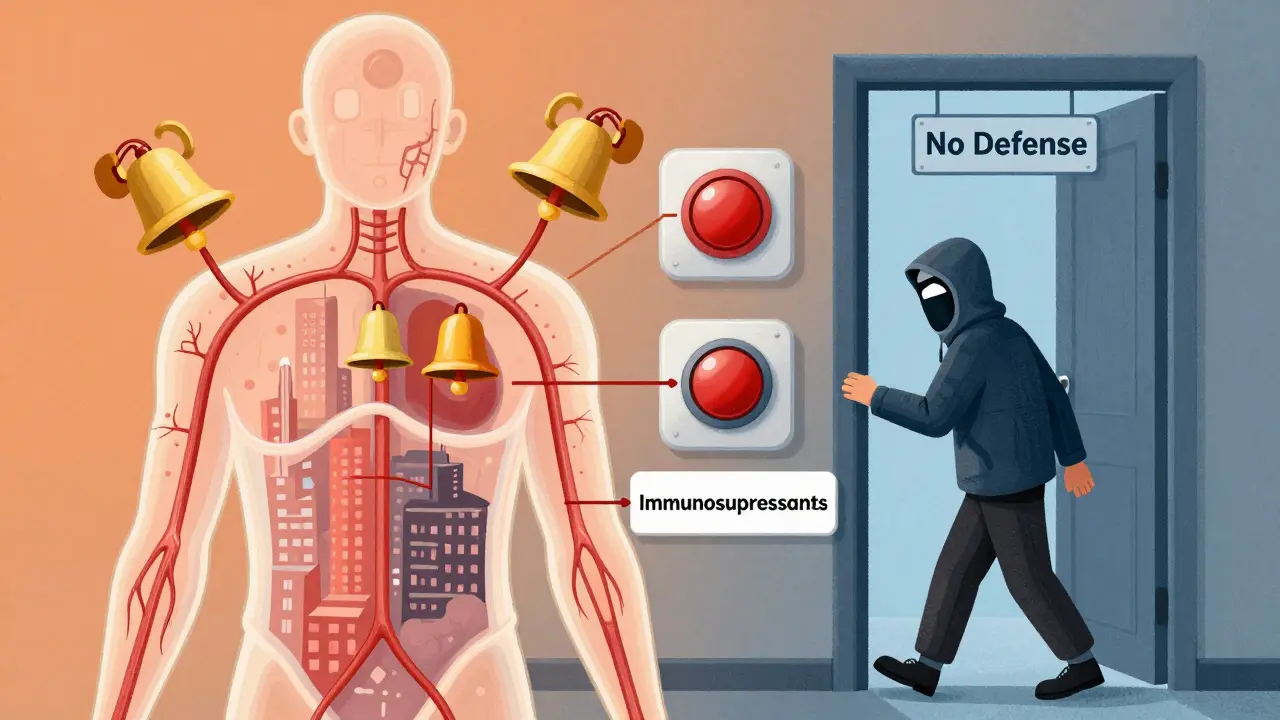
Autoimmune Disorder Medications: Understanding Immunosuppression Complications
Immunosuppressive drugs control autoimmune diseases but carry serious infection and cancer risks. Learn how different medications affect your immune system and what steps you can take to stay safe.

How to Create a Medication Schedule That Minimizes Interactions
Create a safe medication schedule using the Universal Medication Schedule framework to avoid dangerous drug interactions. Learn how to organize pills, sync refills, track doses, and work with your pharmacist.
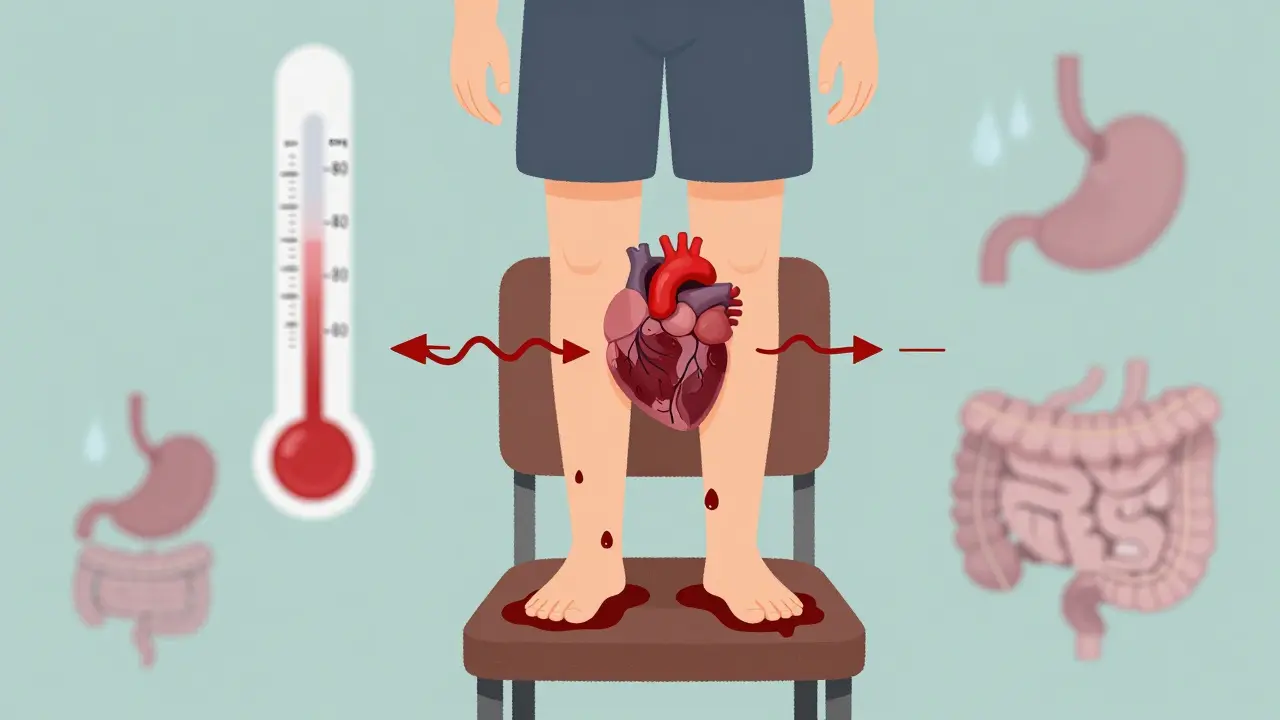
Autonomic Neuropathy: Understanding Blood Pressure Drops and GI Symptoms
Autonomic neuropathy causes dangerous drops in blood pressure and severe digestive problems like gastroparesis. Learn how it develops, how it's diagnosed, and what treatments actually work to manage symptoms.

Opioids and Antihistamines: The Hidden Danger of Combined Sedation
Combining opioids and antihistamines can cause dangerous sedation and respiratory depression-even death. Learn why this common mix is riskier than you think and how to stay safe.

Hemochromatosis: How Iron Overload Damages Your Liver and How Phlebotomy Saves Lives
Hemochromatosis is a genetic disorder causing dangerous iron buildup in the liver and other organs. Early diagnosis through blood tests and treatment with regular phlebotomy can prevent liver failure, diabetes, and cancer.
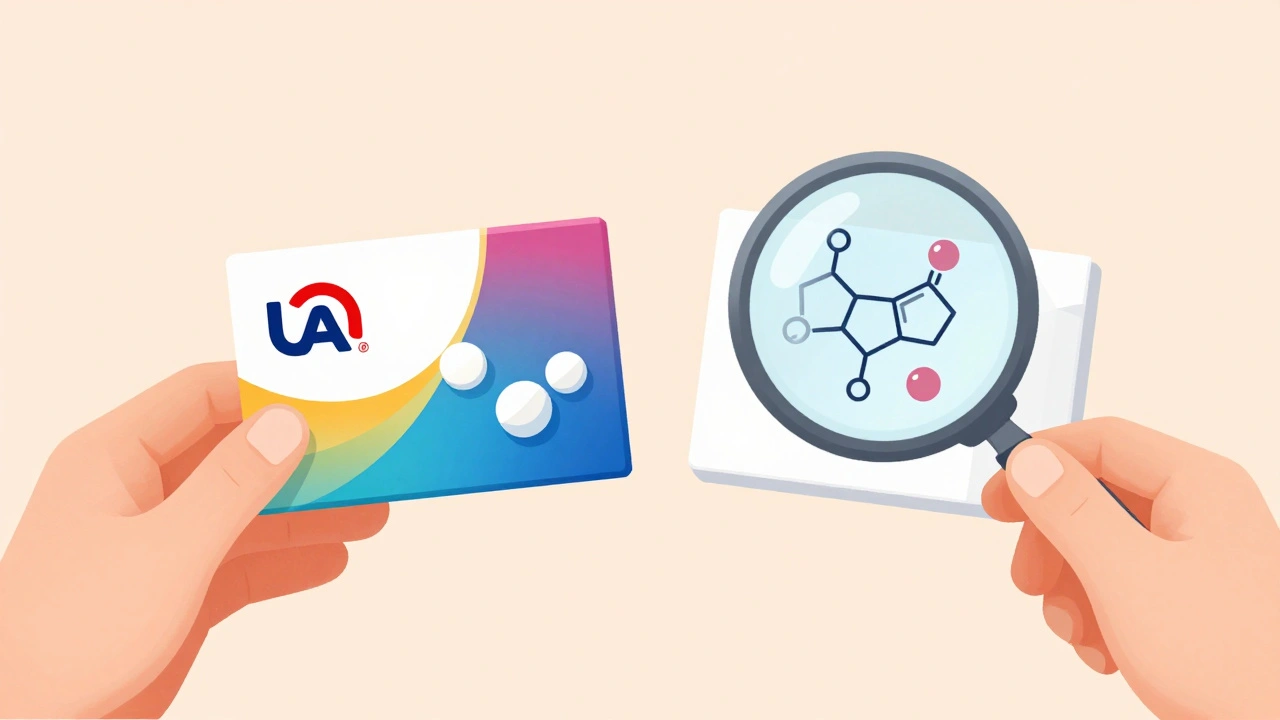
Authorized Generics: Same Drug, Different Label
Authorized generics are the exact same drug as brand-name medications, just sold without the brand name. They offer the same effectiveness at generic prices, but most patients don’t know they exist.
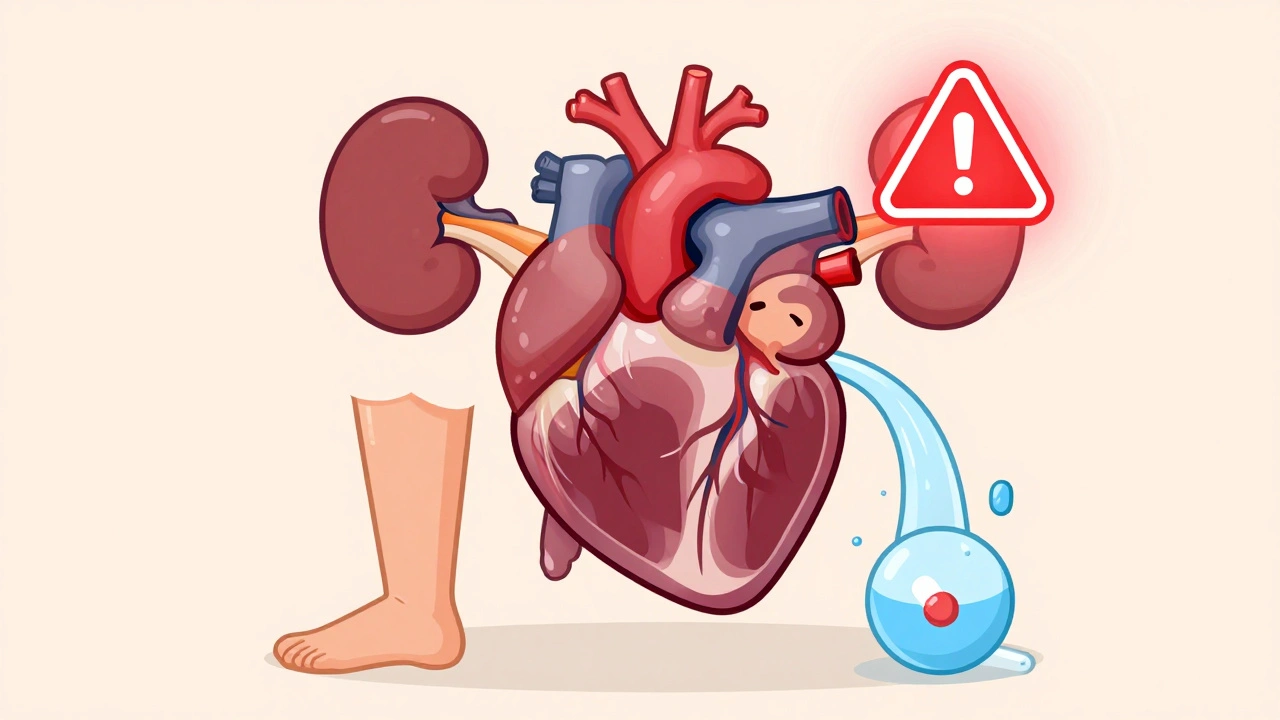
Diuretics and Hypokalemia in Heart Failure Patients: Practical Management Strategies
Diuretics are essential for heart failure but often cause dangerous low potassium levels. Learn practical, evidence-based strategies to prevent and manage hypokalemia safely and effectively.

FDA Bioequivalence Standards for NTI Drugs: What You Need to Know
The FDA enforces strict bioequivalence standards for NTI drugs like warfarin, digoxin, and phenytoin, requiring tighter limits and replicate studies to ensure safety. Learn how these rules protect patients and why generic switches need caution.
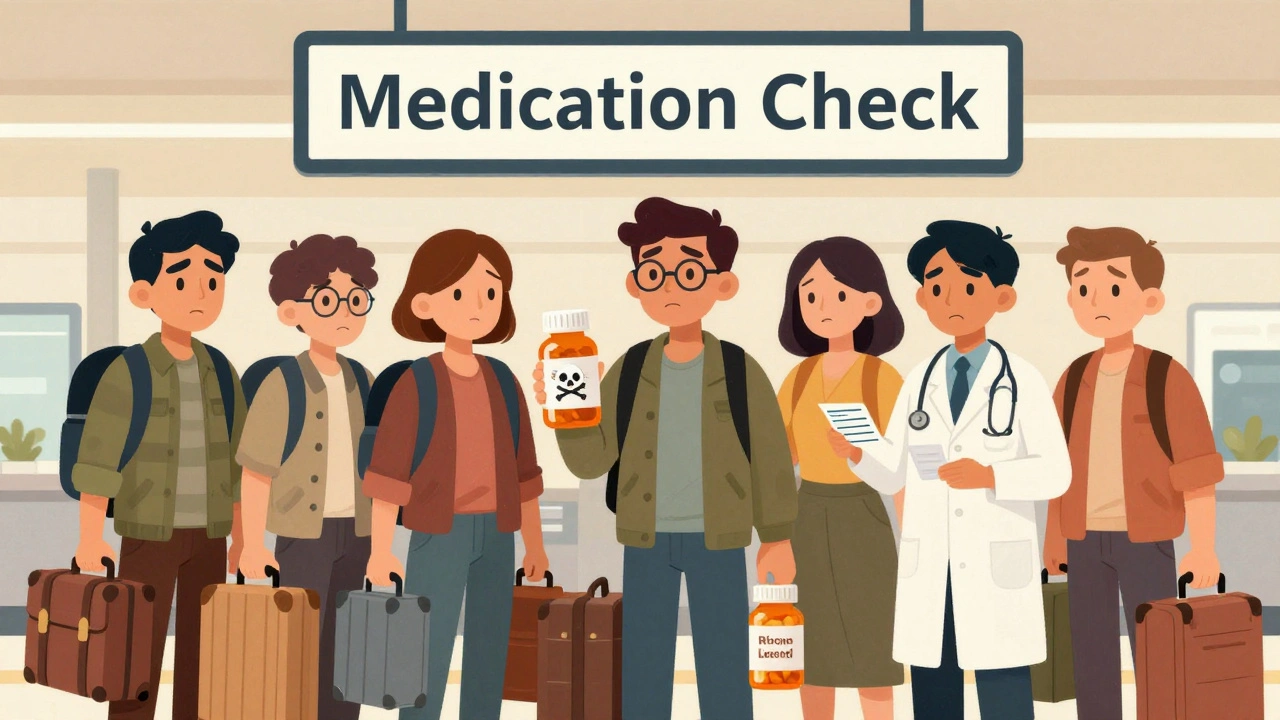
Medical Tourism and Medication Safety: What You Must Know Before You Travel
Medical tourism saves money, but medication safety risks are often ignored. Learn how drug regulations vary by country, why your prescriptions may not work at home, and what steps to take to protect yourself before and after traveling for care.