Author: Edward Jepson-Randall
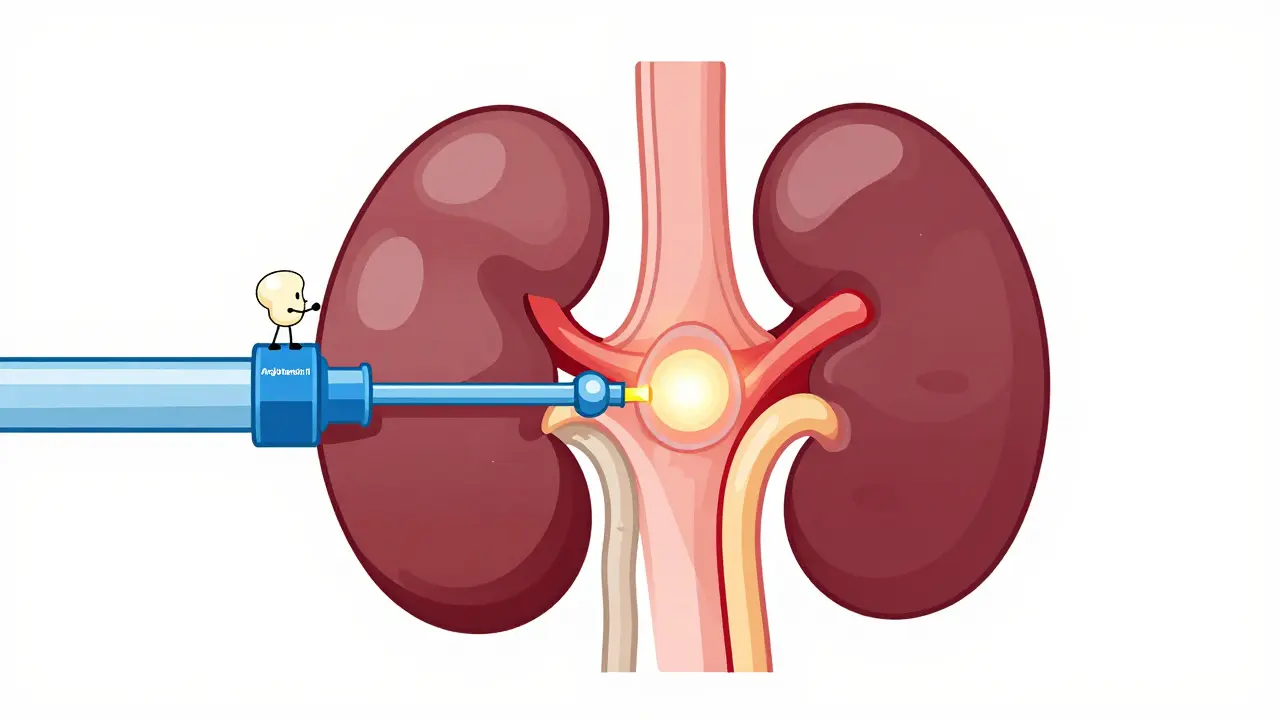
ACE Inhibitors and Renal Artery Stenosis: Why They Don't Mix
Understand why ACE inhibitors are contraindicated in bilateral renal artery stenosis and how blocking Angiotensin II can lead to acute kidney failure.

How to Manage Mild Side Effects Without Stopping Your Medication
Learn how to handle mild medication side effects like nausea, dry mouth, and fatigue without quitting your treatment. Practical tips and evidence-based strategies inside.

SSRI-Induced Serotonin Syndrome: Symptoms, Risks, and Emergency Response Guide
Learn how to identify SSRI-induced serotonin syndrome, understand the dangerous drug interactions, and know the critical emergency steps to save a life.

NSAIDs and Heart Failure: Fluid Retention and Hospitalization Risk
Learn why NSAIDs are dangerous for heart failure patients. Understand fluid retention risks, hospitalization data, and safe alternatives like acetaminophen.

Decision Aids for Switching Medications: Understanding Risks and Benefits
Explore how decision aids empower patients during medication switches. Learn about the benefits of shared decision-making tools, potential limitations, and how to evaluate risks versus side effects effectively.

Pharmacy Errors with Generics: Prevention and Correction Guide
Discover the hidden risks of generic medication substitution and learn practical steps for preventing pharmacy errors.

Verbal Prescriptions: Best Practices for Clarity and Safety
Verbal prescriptions are high-risk medication orders that require strict safety protocols. Learn best practices for clarity, read-back verification, and documentation to prevent medication errors in healthcare settings.

Drug Allergies: Penicillin, NSAIDs, and Desensitization Protocols Explained
Most people labeled penicillin-allergic aren't truly allergic. Proper testing and desensitization can safely restore access to life-saving drugs. Learn how NSAID and antibiotic allergies work - and when desensitization can change your treatment.

FDA MedWatch: How to Report Side Effects and Adverse Drug Reactions
Learn how to report side effects and adverse reactions to the FDA using MedWatch. This guide explains who can report, what to include, how to fill out the forms, and why your report matters for public safety.

Antibiotic Shortages: How Drug Shortages Are Putting Infection Treatment at Risk
Antibiotic shortages are worsening global infection treatment, forcing doctors to use toxic last-resort drugs and leaving patients without care. Rising resistance and broken supply chains are putting millions at risk.