Express Meds Canada: Your Trusted Pharmaceutical Resource - Page 2
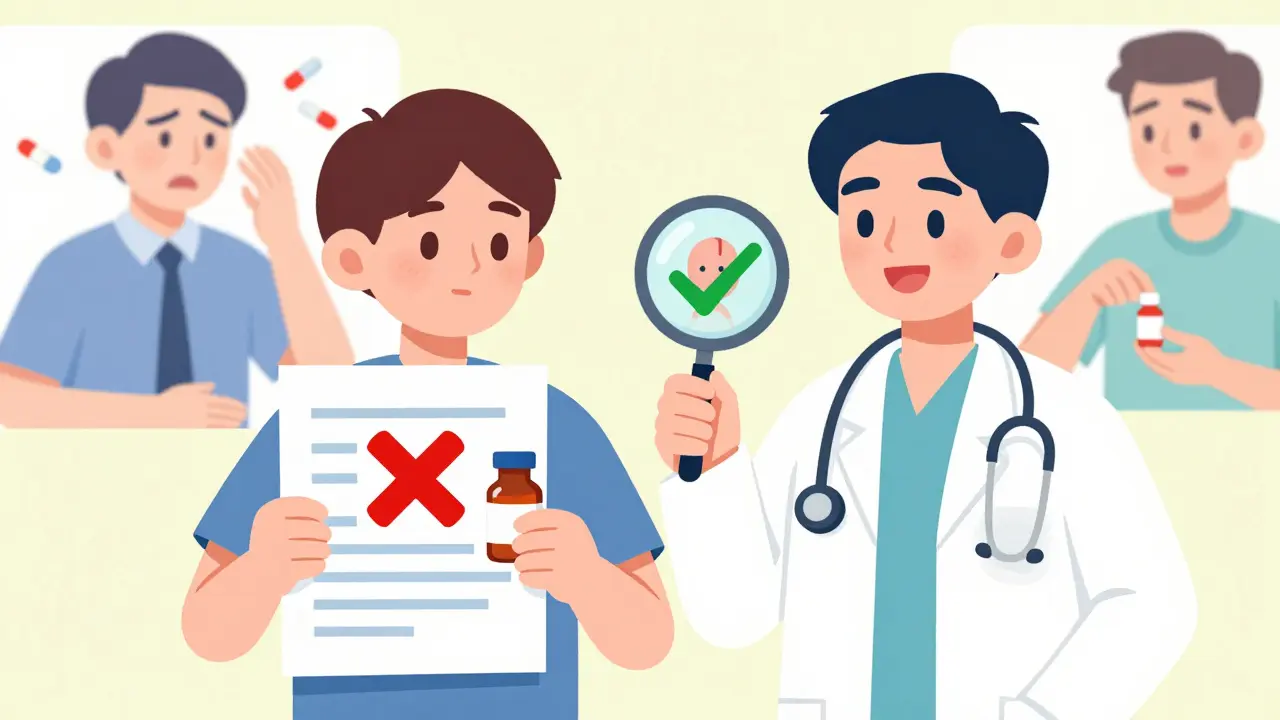
When to Avoid a Medication Family After a Severe Drug Reaction
Not all severe drug reactions mean avoiding entire medication families. Learn when true allergies require avoidance-and when you can safely use alternatives after proper testing. This guide helps you avoid unnecessary restrictions and get better care.

Beta-Blockers and Calcium Channel Blockers: What You Need to Know About Combination Therapy
Beta-blockers and calcium channel blockers can be used together for high blood pressure and angina, but only if the right type of calcium channel blocker is chosen. Verapamil combinations carry serious heart risks, while amlodipine is generally safe. Know the difference.
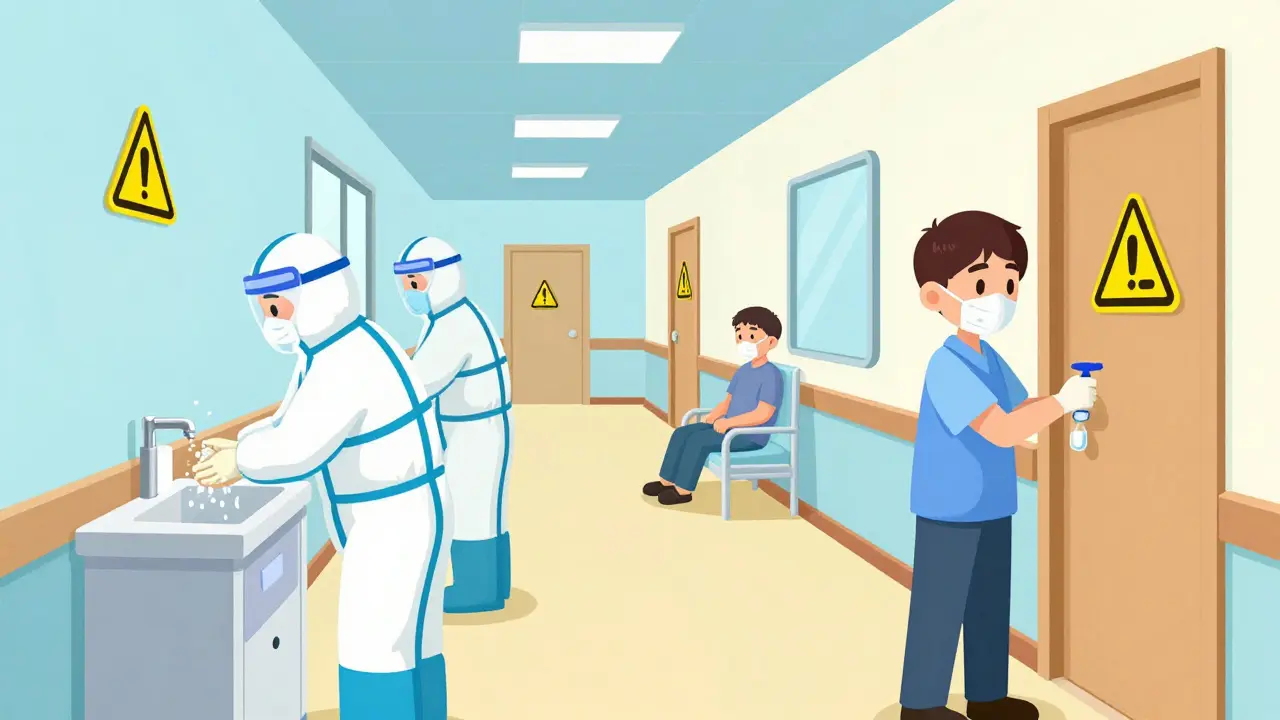
Norovirus Outbreaks: How to Control Gastroenteritis and Keep Patients Hydrated
Norovirus causes severe gastroenteritis and spreads fast. Learn how to stop outbreaks with proper handwashing, cleaning, and hydration - the only proven methods to protect vulnerable people.
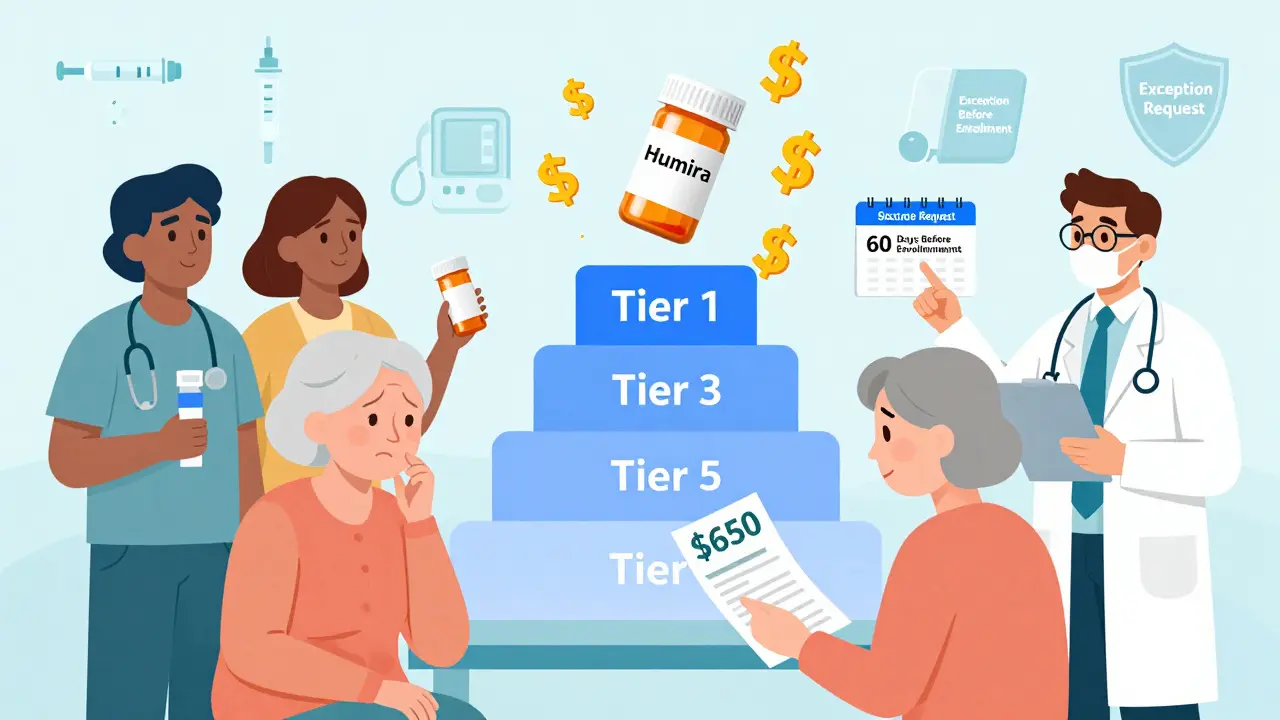
Managing Formulary Changes: How to Handle Prescription Drug Coverage Updates
Learn how to navigate insurance formulary changes that affect your prescription drug coverage. Understand tiers, exceptions, appeals, and how to avoid costly surprises when your medication is dropped or moved.
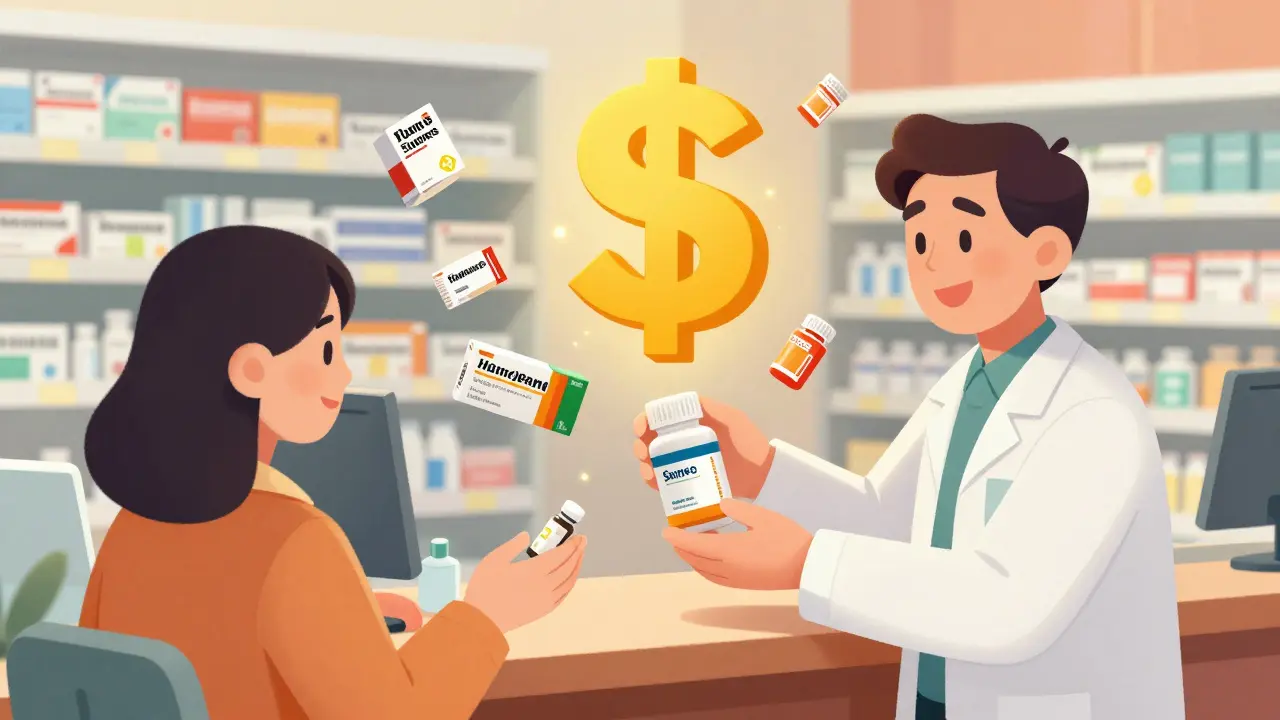
Pharmacy Margin Economics: How Generics Drive Profits Despite Low Prices
Generics make up 90% of prescriptions but only 25% of drug spending - yet they generate 96% of pharmacy profits. This is how the math works, who controls the money, and why independent pharmacies are struggling to stay open.
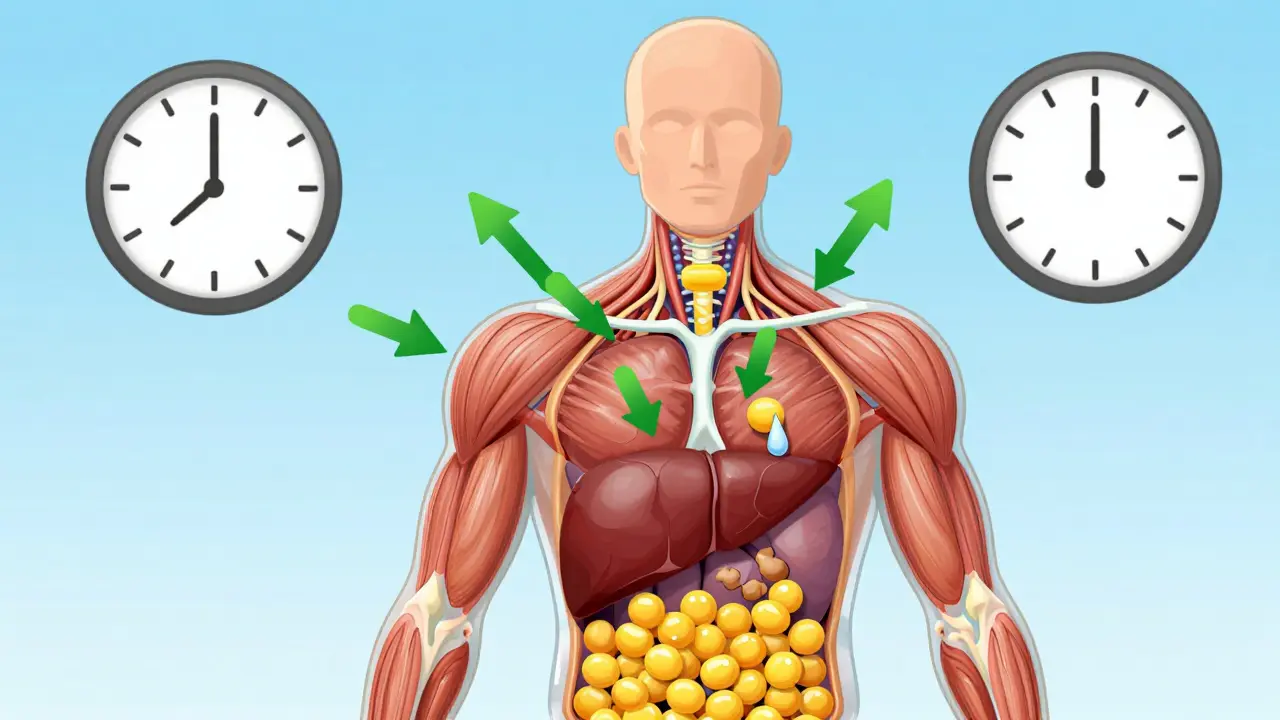
Type 2 Diabetes: Understanding Insulin Resistance and Metabolic Syndrome
Type 2 diabetes stems from insulin resistance and metabolic syndrome-two hidden drivers behind rising global diabetes rates. Learn how they work, how they’re linked, and what actually works to reverse them.
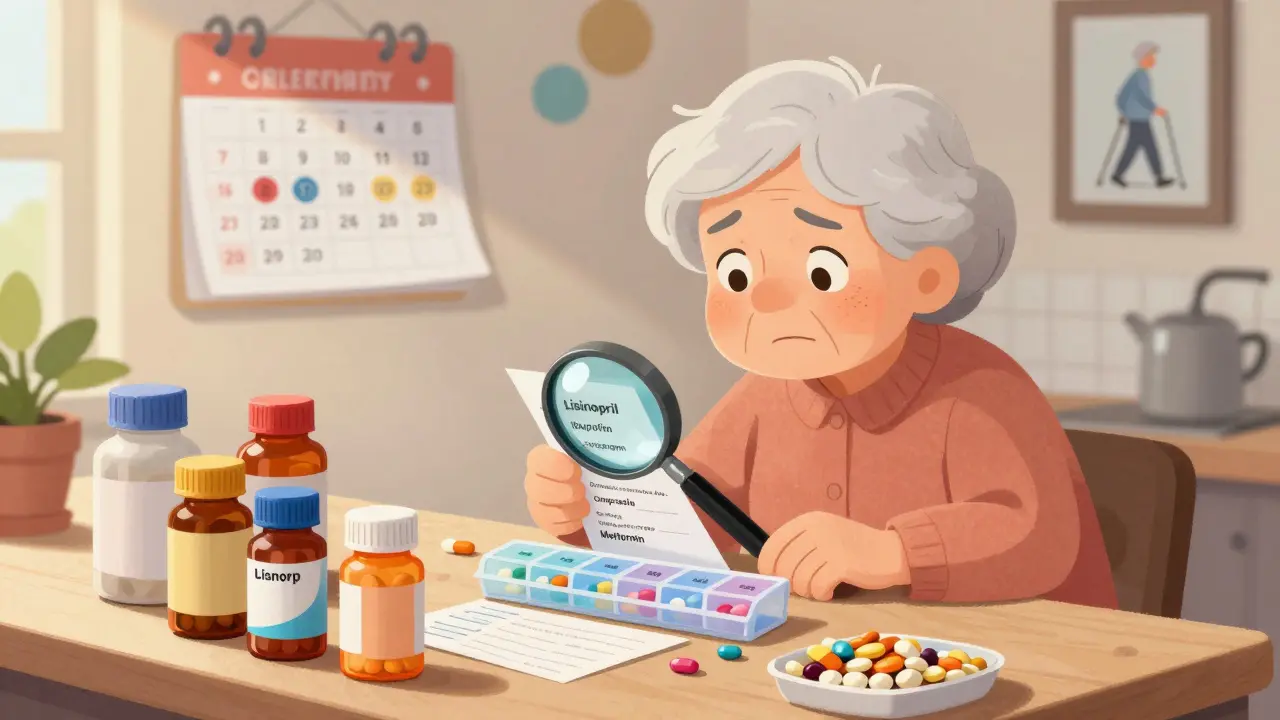
Polypharmacy in Elderly Patients: Managing Multiple Medications
Polypharmacy in elderly patients-taking five or more medications-increases fall risk, hospitalizations, and confusion. Learn how deprescribing, pharmacist reviews, and smarter prescribing can improve safety and quality of life for seniors.
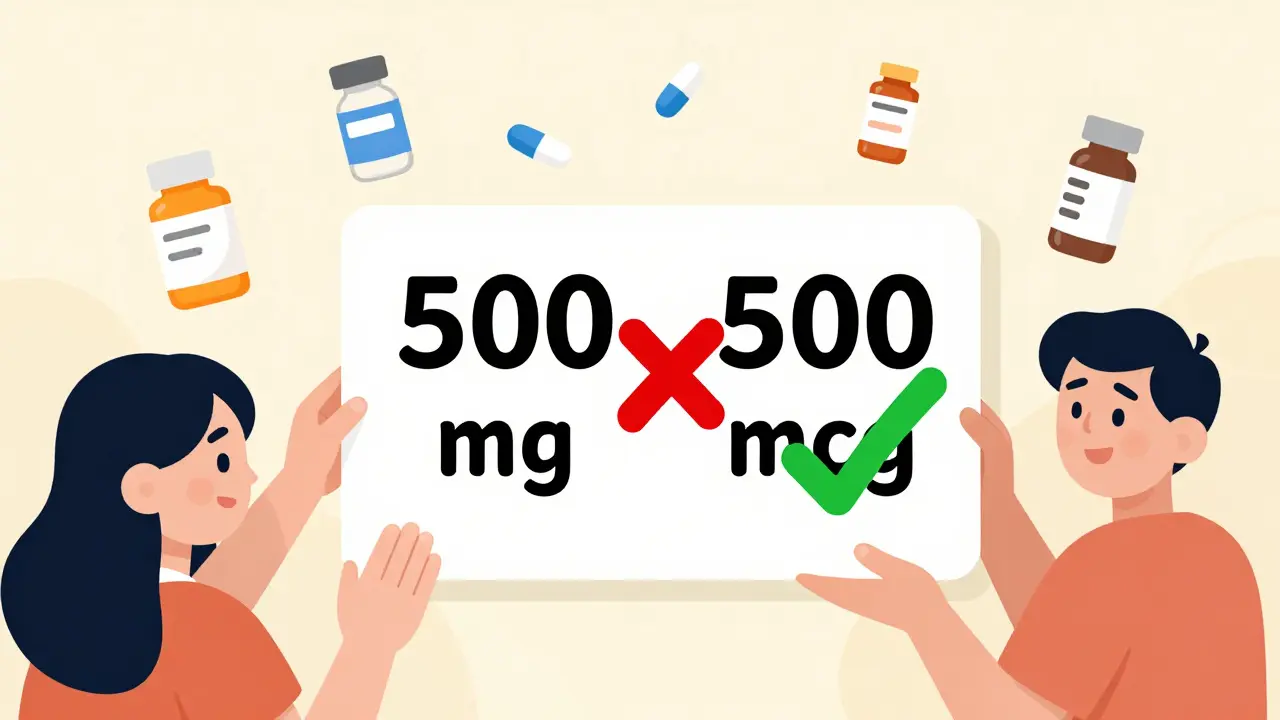
How to Check Medication Strength and Quantity on Prescription Labels
Learn how to read your prescription label to verify medication strength and quantity, prevent dangerous dosing errors, and protect your health. Simple steps anyone can follow.
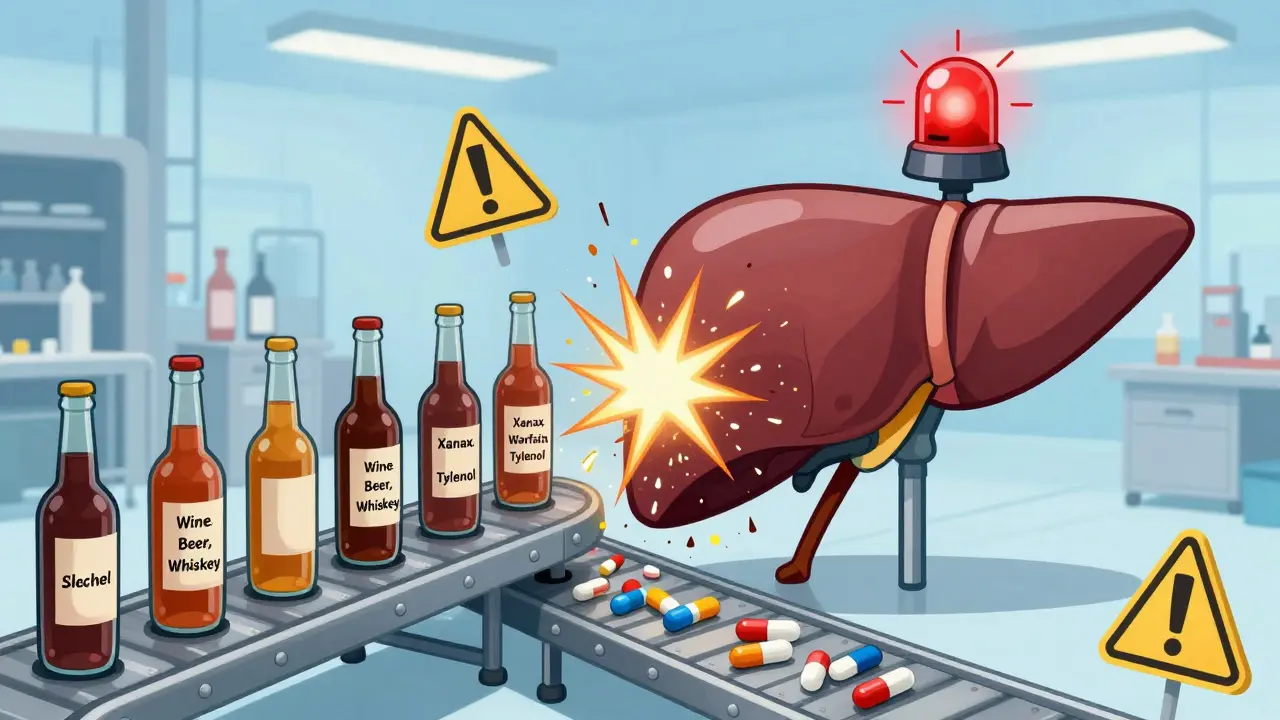
Alcohol and Prescription Drugs: Dangerous Interaction Effects
Mixing alcohol with prescription drugs can cause life-threatening side effects, even with just one drink. Learn which medications are most dangerous, who's at risk, and how to stay safe.

Fertility Preservation Options Before Chemotherapy: What You Need to Know
Fertility preservation before chemotherapy offers real options to protect future parenthood. From egg and sperm freezing to ovarian tissue cryopreservation, knowing your choices can make all the difference. Time is critical-act within days of diagnosis.